

[WTTLE]Working Principle and Features of Wheat Flour Pneumatic Conveying Equipment
Wheat flour pneumatic conveying equipment is a crucial component in the food processing industry, particularly for handling fine powders like wheat flour. This equipment uses air to transport the flour from one location to another, offering several advantages over traditional mechanical conveying methods. The working principle and key features of such systems are essential for understanding their application and benefits.
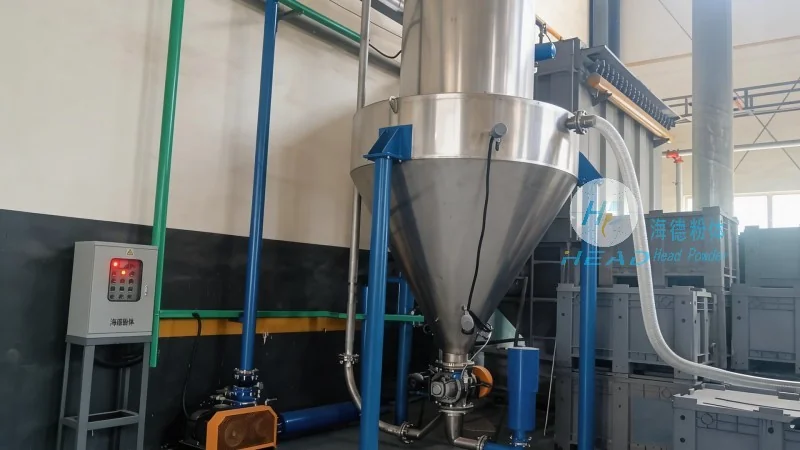
Working Principle of Wheat Flour Pneumatic Conveying Systems
The core of wheat flour pneumatic conveying equipment is the use of air pressure to move the material. The system typically consists of a hopper, a conveyor line, and a receiver. The process begins when the wheat flour is fed into the hopper. An air compressor then generates a high-pressure air stream that draws the flour particles into the conveyor line. As the air flows through the pipe, it carries the flour along, ensuring efficient transport. The receiver at the end of the line collects the flour, and the air is filtered and recycled back into the system. This continuous cycle allows for a seamless and controlled transfer of wheat flour, minimizing dust and spillage.
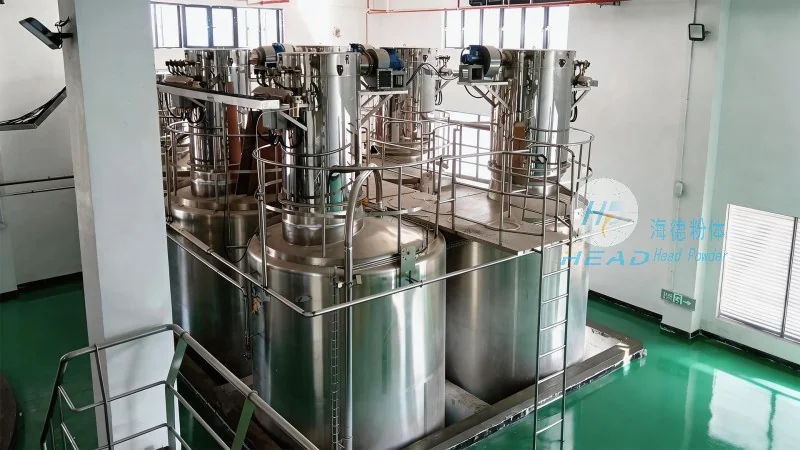
Key Features of Wheat Flour Pneumatic Conveying Equipment
Several key features make wheat flour pneumatic conveying systems ideal for food processing applications. Firstly, they are highly efficient in terms of material handling, capable of transporting large volumes of flour quickly and reliably. The equipment is also designed to minimize product contamination, as the enclosed system prevents exposure to external elements and contaminants. Additionally, the use of air as the conveying medium reduces the risk of product degradation and spoilage, which is critical for maintaining the quality of wheat flour. Another notable feature is the flexibility of the system, as it can be easily adjusted to handle different flour types or processing requirements. The equipment is also relatively low-maintenance, with fewer moving parts compared to mechanical conveyors, leading to lower operational costs over time.
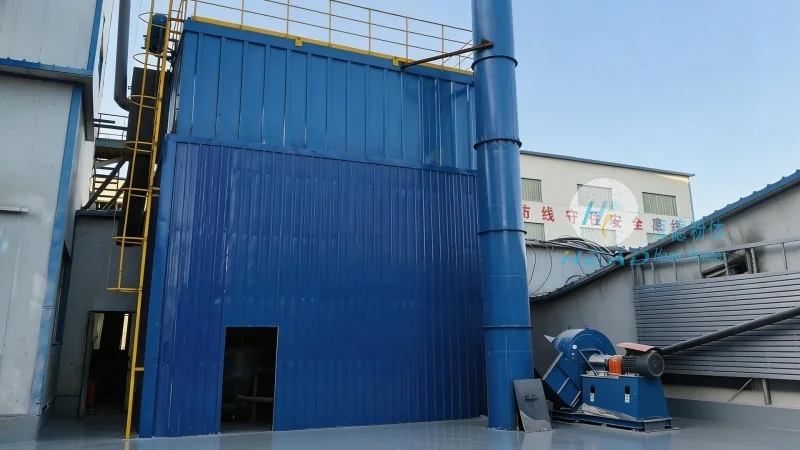
Application and Benefits in Food Processing
Wheat flour pneumatic conveying equipment is widely used in various stages of flour processing, from raw material handling to packaging. The primary benefit is the ability to maintain product quality and purity, which is essential for food safety standards. The system also enhances operational efficiency by reducing downtime and improving workflow in the production line. Furthermore, the enclosed design helps in controlling dust and improving workplace safety, making it a preferred choice in modern food processing facilities. By integrating this equipment, companies can achieve better control over their flour handling processes, leading to consistent product quality and improved overall performance.
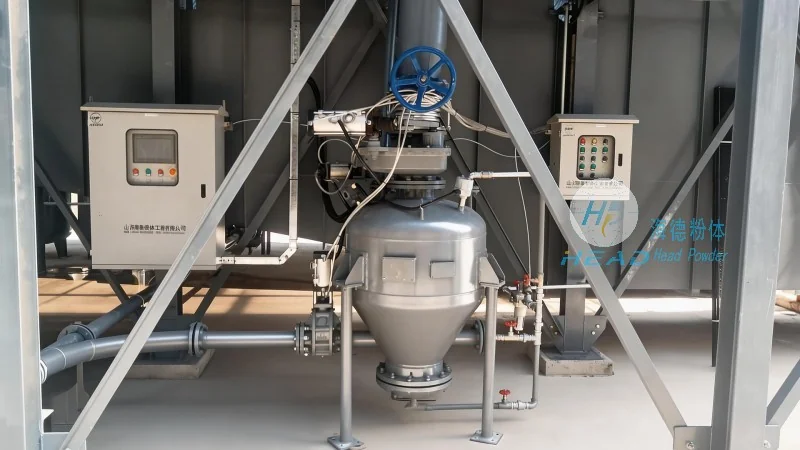
About Shandong HeadPowder Engineering Co., Ltd.
Shandong HeadPowder Engineering Co., Ltd., operating under the brand name headpowder, is a leading manufacturer of specialized conveying equipment for the food industry. With a focus on innovation and quality, the company provides tailored solutions for wheat flour and other fine powder handling needs. HeadPowder's expertise lies in designing and manufacturing pneumatic conveying systems that meet the highest standards of efficiency, safety, and reliability. The company's products are widely recognized for their durability and performance, contributing to the smooth operation of food processing facilities worldwide. HeadPowder is committed to delivering solutions that enhance productivity and ensure the quality of food products, supporting the growth of the food industry through advanced engineering and customer-centric approaches.