

What is a Lithium Oxalate Material Pneumatic Conveying Machine? And What Are Its Design Principles?
HeadPowder, a leading manufacturer based in Shandong, China, specializes in advanced material handling solutions, including specialized equipment for transporting lithium oxalate. This article aims to provide a comprehensive overview of the pneumatic conveying machine designed for lithium oxalate, exploring its operational mechanisms and core design principles.
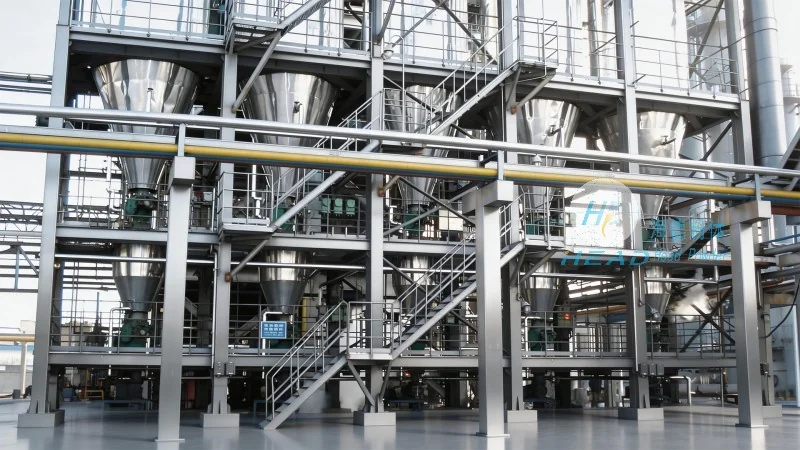
Introduction to Lithium Oxalate Pneumatic Conveying Machines
Lithium oxalate is a critical raw material widely used in the production of lithium-ion batteries, which are essential components in modern electronics and renewable energy systems. The efficient and safe transportation of this material is paramount to ensure consistent quality and minimize operational risks. Pneumatic conveying machines offer a reliable solution for handling lithium oxalate, combining precision, flexibility, and safety features tailored to the unique properties of this chemical compound.
Key Components and Operational Mechanism
The pneumatic conveying machine for lithium oxalate typically consists of several key components that work in tandem to achieve effective material transport. These include a hopper for material storage, a rotary valve or feeder to control the flow rate, a conveying line (often equipped with pressure vessels or vacuum systems), and a receiver or discharge unit. The operational mechanism involves the introduction of air or gas into the conveying line, creating a flow that propels the lithium oxalate particles through the system. The design incorporates features such as air filtration and particle separation to maintain material purity and prevent contamination.
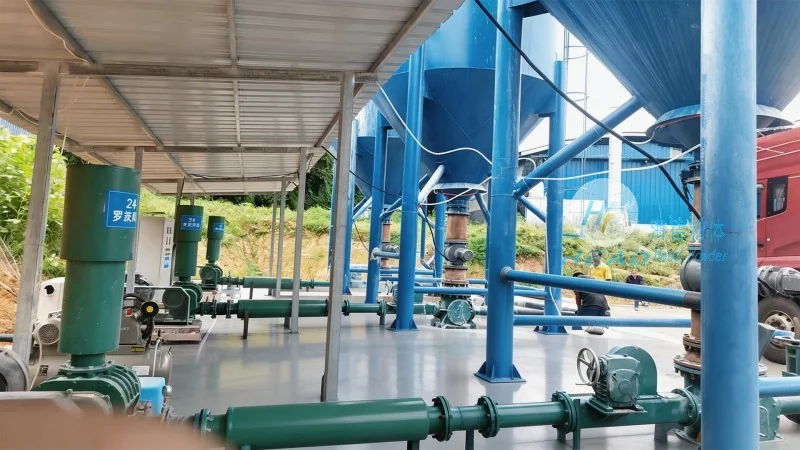
Design Principles for Lithium Oxalate Handling
The design of a pneumatic conveying machine for lithium oxalate adheres to several critical principles to ensure optimal performance and safety. First, the equipment is constructed with materials that are chemically compatible with lithium oxalate, preventing reactions that could compromise the material's integrity or the machine's structure. Second, the system is engineered to handle the specific physical properties of lithium oxalate, such as its particle size, density, and flow characteristics. This includes the use of specialized hopper designs to minimize material bridging and ensure consistent feeding. Third, the machine incorporates safety features, including pressure relief valves and overcurrent protection, to mitigate risks associated with high-pressure or vacuum operations. Additionally, the design prioritizes minimal particle degradation, which is crucial for maintaining the quality of lithium oxalate used in battery manufacturing.
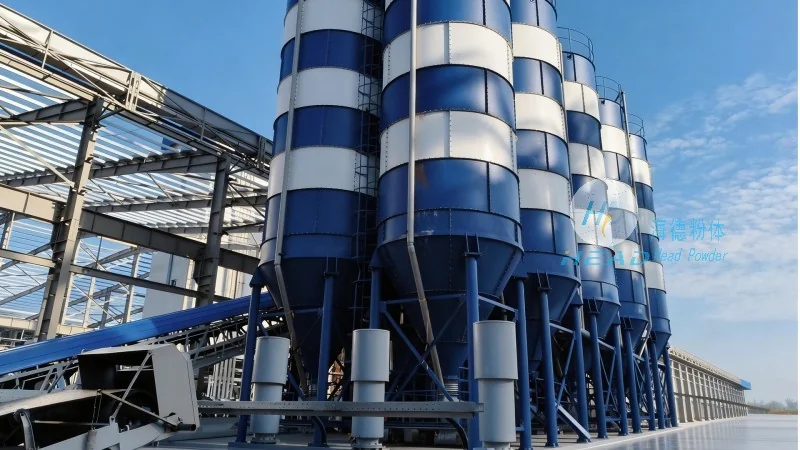
Advantages of Using Pneumatic Conveying for Lithium Oxalate
Implementing a pneumatic conveying machine for lithium oxalate offers several advantages over traditional material handling methods. One of the primary benefits is the ability to transport material over long distances without the need for intermediate storage or manual handling, reducing labor costs and operational complexity. The system also provides better control over material flow, allowing for precise dosing and minimizing waste. Furthermore, pneumatic conveying is more hygienic and dust-free compared to other methods, which is essential for maintaining the purity of lithium oxalate—a critical factor in battery production. The equipment's flexibility allows for easy integration into existing production lines, and its modular design enables scalability to accommodate varying production volumes.
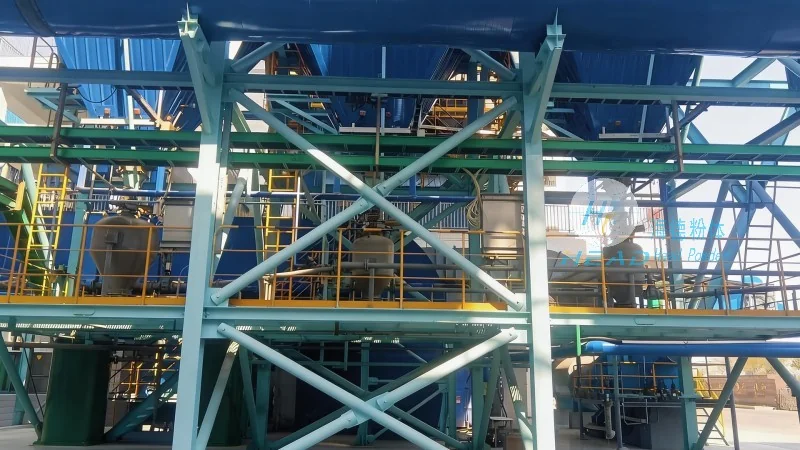
HeadPowder's Expertise in Lithium Oxalate Conveying Solutions
As a company based in Shandong, China, HeadPowder Engineering Co., Ltd. has established itself as a trusted provider of specialized material handling equipment, including pneumatic conveying machines tailored for lithium oxalate. With years of experience in the industry, HeadPowder leverages advanced engineering and manufacturing capabilities to develop solutions that meet the stringent requirements of lithium-ion battery manufacturers. The company's commitment to quality, safety, and innovation ensures that its products are reliable, efficient, and tailored to the unique needs of each client. By partnering with HeadPowder, businesses can enhance their material handling processes, improve operational efficiency, and maintain the highest standards of product quality.
Conclusion
In summary, a pneumatic conveying machine for lithium oxalate is a sophisticated piece of equipment designed to efficiently and safely transport this critical material. Its design incorporates key principles such as chemical compatibility, precise material control, and safety features, ensuring optimal performance in battery manufacturing applications. HeadPowder Engineering Co., Ltd., based in Shandong, China, offers expertly engineered solutions that address the specific challenges of lithium oxalate handling, helping businesses streamline their operations and achieve superior results. For companies seeking reliable material handling solutions, the pneumatic conveying machine for lithium oxalate represents a valuable investment in efficiency and quality.