

What is a Ferrous Sulfate Material Pneumatic Conveying Machine? And What Are Its Design Principles?
Ferrous sulfate, a widely used industrial chemical, often requires efficient and reliable material handling solutions for its transportation across different stages of production. In industrial settings, pneumatic conveying machines have become a preferred method for handling such materials due to their ability to transport powders and granules without direct mechanical contact, which minimizes contamination and wear. This article delves into the concept of a ferrous sulfate material pneumatic conveying machine, exploring its operational mechanisms and the underlying design principles that ensure effective and safe material transport. The focus is on understanding how this equipment addresses the unique challenges associated with handling ferrous sulfate, a material that can be both corrosive and abrasive under certain conditions.

Core Components and Their Functions in the Pneumatic Conveying System
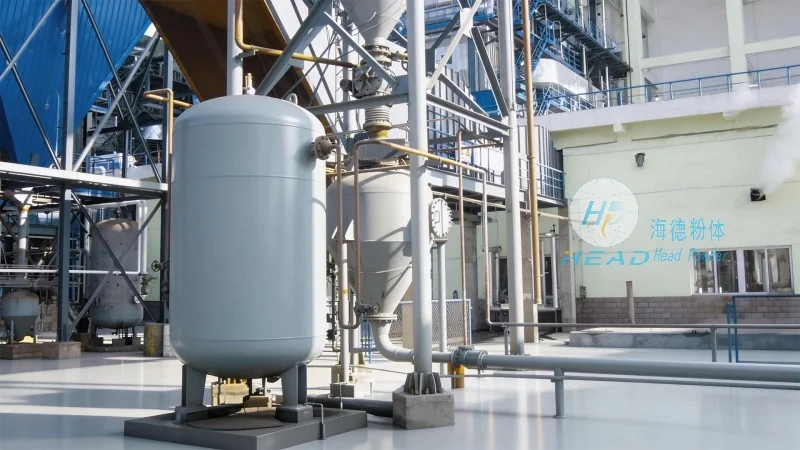
A ferrous sulfate material pneumatic conveying machine comprises several essential components that work in concert to achieve the desired material transport. The primary components include a material hopper for storage, a conveyor line (operating under either positive or negative pressure), a dust collector to manage airborne particles, and a control system to regulate the conveying process. Each component is carefully designed to meet the specific demands of ferrous sulfate handling. The hopper is typically made from corrosion-resistant materials like stainless steel to withstand the chemical properties of ferrous sulfate, ensuring a consistent feed of material into the conveyor system. The conveyor line, which can be either a positive pressure system (where air pushes the material) or a negative pressure system (where air pulls the material), is the central part of the machine, responsible for moving the material through the pipeline. The choice between positive and negative pressure depends on the characteristics of the ferrous sulfate, such as particle size and moisture content. The dust collector is crucial for capturing any fine particles that may escape during the conveying process, protecting both the environment and the equipment from contamination. The control system allows operators to adjust parameters such as air pressure, flow rate, and material feed rate, optimizing the conveying performance based on real-time conditions. This integration of components ensures that the machine operates efficiently and safely, minimizing downtime and maximizing throughput.
Design Principles for Optimal Ferrous Sulfate Handling
The design of a ferrous sulfate material pneumatic conveying machine is guided by several key principles aimed at ensuring durability, efficiency, and safety. One of the most critical design considerations is material compatibility. Since ferrous sulfate can be corrosive or abrasive, the machine's components—including the hopper, conveyor line, and valves—are constructed from materials like stainless steel or specialized alloys that can resist chemical attack and mechanical wear. This choice not only extends the equipment's lifespan but also prevents contamination of the ferrous sulfate material, which is essential for maintaining product quality. Another important design principle is the selection of the appropriate conveying method. For fine ferrous sulfate powders that are prone to caking or bridging, a positive pressure system with a high-velocity air stream is often preferred, as it can effectively prevent blockages and maintain consistent flow. In contrast, bulkier ferrous sulfate granules may be better suited for a negative pressure system, which can handle larger particles with less risk of damage. The design also incorporates features to minimize material degradation, such as smooth, internal surfaces in the conveyor line that reduce friction and prevent particle breakage. Additionally, the system is equipped with safety features, including pressure relief valves to prevent over-pressurization and sensors to monitor air flow and material levels, ensuring that any issues are detected and addressed promptly. These design principles collectively ensure that the machine operates reliably and efficiently, even under challenging conditions.
Operational Efficiency and Maintenance Best Practices
Operational efficiency is a key factor in the success of a ferrous sulfate material pneumatic conveying machine. The system is engineered to minimize downtime and maximize throughput by incorporating features that enhance material flow and reduce the risk of blockages. Regular maintenance is essential to maintain the machine's performance and longevity. This includes cleaning the hopper and conveyor line to prevent the buildup of ferrous sulfate residues, which can affect material quality and system efficiency. The dust collector must also be cleaned regularly to ensure its effectiveness in capturing airborne particles. Additionally, the control system should be checked periodically to verify that all parameters are set correctly and that sensors are functioning properly. By following a structured maintenance schedule, the machine can operate at optimal efficiency, reducing the risk of breakdowns and extending its service life. The design of the machine also prioritizes energy efficiency, with features like variable speed drives that adjust air flow based on material feed rate, minimizing energy consumption while maintaining required conveying performance. These practices ensure that the system remains cost-effective and environmentally friendly over its operational lifespan.
Applications and Benefits in Industrial Settings
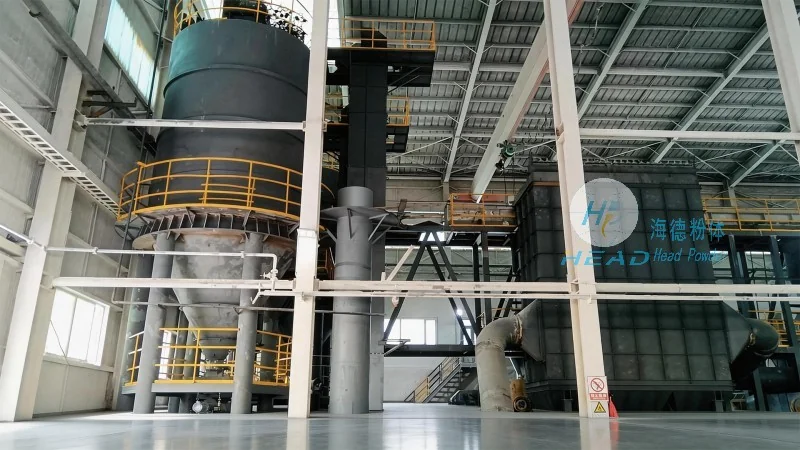
Ferrous sulfate material pneumatic conveying machines are widely utilized in various industrial sectors, including chemical manufacturing, pharmaceutical production, and food processing, where the handling of fine powders is critical. The benefits of using such a system include enhanced safety, as there is no direct human contact with the material during transport, reducing exposure risks to dust or chemicals. Additionally, the system is more hygienic and cleaner than traditional mechanical conveying methods, which is vital in industries where product purity is non-negotiable. The efficiency of the pneumatic conveying system also reduces labor costs, as it can handle large volumes of material with minimal operator intervention. Furthermore, the system can be easily integrated into existing industrial processes, enabling seamless material transport from storage to processing or packaging areas. The flexibility of the machine allows it to handle different types of ferrous sulfate materials, from fine powders to granules, making it a versatile solution for diverse industrial needs. Overall, the adoption of a ferrous sulfate material pneumatic conveying machine offers significant advantages in terms of safety, efficiency, and cost-effectiveness for industrial operations. Companies like Shandong HeadPowder Engineering Co., Ltd., based in China, specialize in designing and manufacturing such equipment, providing tailored solutions that meet the specific requirements of their clients. With a focus on quality and innovation, these companies ensure that the machines are built to withstand the demands of industrial environments, delivering reliable performance and long-term value.