With more than 10‑year industry experience, Shandong Headpowder delivers full‑service pneumatic‑conveying systems and blowers, undertaking nationwide turn‑key powder‑handling projects.
PTFE (Polytetrafluoroethylene) pneumatic conveying systems are widely used in various industries for transporting powders and bulk materials. A well-designed system ensures efficient, reliable, and cost-effective material handling. This article outlines key considerations and steps for designing a reasonable PTFE pneumatic conveying system plan.
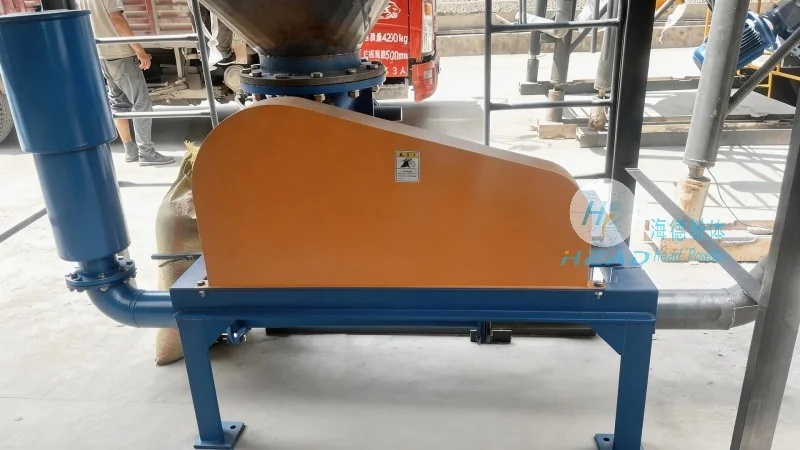
Before diving into the design process, it's essential to understand the main components of such a system. These typically include the material feed hopper, a conveying line (often equipped with PTFE-coated or PTFE-lined components to prevent material adhesion and corrosion), a venturi or other air acceleration device, and a collection bin or silo. Each component plays a critical role in the overall performance and longevity of the system.
Several factors must be considered when designing a PTFE pneumatic conveying system. First, the properties of the material being conveyed—such as particle size, density, moisture content, and flowability—are crucial. These properties determine the appropriate air velocity, pressure, and system configuration. Second, the system's capacity and required throughput must be matched to the production needs. Third, the choice of PTFE materials for components (e.g., liners, hoses, and valves) is vital to ensure compatibility with the conveyed material and to prevent degradation over time.
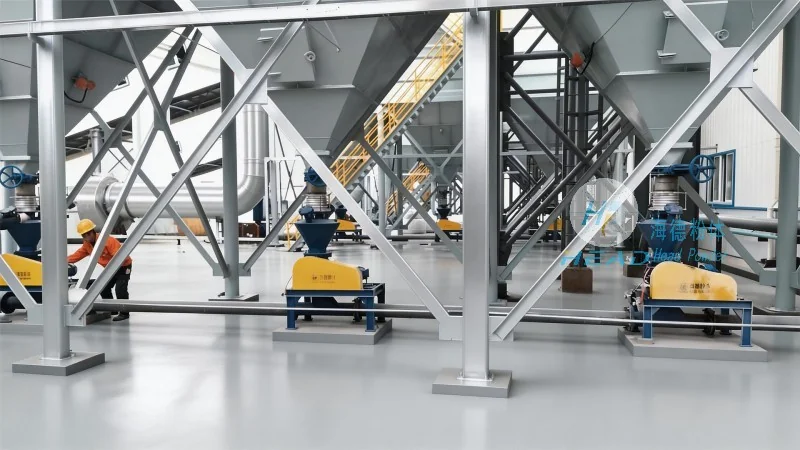
Designing a PTFE pneumatic conveying system involves a systematic approach. The first step is to conduct a thorough material analysis to determine its physical and chemical characteristics. This includes testing for particle size distribution, moisture content, and any potential contaminants. Based on the analysis, the appropriate conveying method (e.g., pressure or vacuum system) is selected. Next, the system layout is planned, considering the distance between the feed point and the collection point, as well as any obstacles or changes in elevation.
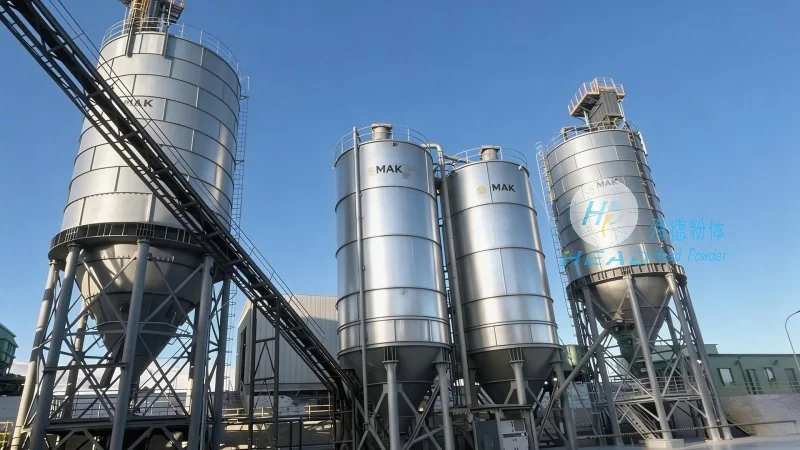
Following the layout, the air velocity and pressure requirements are calculated. This involves determining the necessary air volume and pressure to achieve the desired material flow rate. The selection of PTFE components, such as hoses, fittings, and valves, is then made based on the system's operating conditions and the material's properties. Finally, the system is sized and configured to meet the specified capacity and performance criteria.
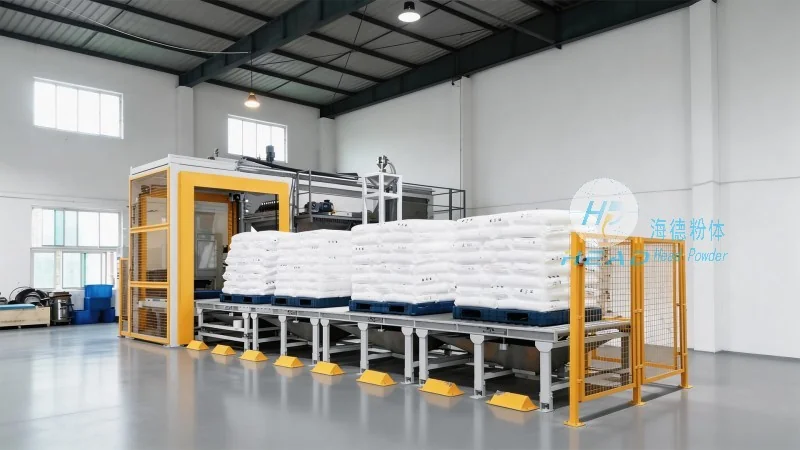
A well-designed PTFE pneumatic conveying system not only meets the material handling needs but also ensures long-term efficiency and reliability. Proper design minimizes material degradation, reduces maintenance costs, and maximizes throughput. For example, using PTFE-coated hoses and liners prevents material buildup and corrosion, which can otherwise lead to system blockages and downtime. Additionally, selecting the right air acceleration device (such as a venturi or rotary airlock) optimizes the system's energy consumption and performance.
Shandong HeadPowder Engineering Co., Ltd. is a leading provider of PTFE pneumatic conveying systems and related engineering solutions. With years of experience in the industry, the company specializes in designing and manufacturing customized systems tailored to the specific needs of clients. HeadPowder's expertise in PTFE materials and system design ensures that their solutions are efficient, reliable, and durable. The company is committed to delivering high-quality products and services, helping clients improve their material handling processes and reduce operational costs.

 Shandong Headpowder Engineering Co., Ltd.
 156-6277-7102(Manager Zhang)
  0531-83386006
  Zhangqiu District, Jinan City, Shandong Province, China
telephone
WeChatconsult
top