With more than 10‑year industry experience, Shandong Headpowder delivers full‑service pneumatic‑conveying systems and blowers, undertaking nationwide turn‑key powder‑handling projects.
Denitration urea, a critical component in modern industrial processes, requires efficient and reliable transportation methods to ensure optimal performance and safety. The choice of transportation system significantly impacts operational efficiency, material handling costs, and environmental compliance. For facilities dealing with denitration urea, understanding the various transportation methods available is essential for selecting the most suitable solution. This article, produced by Shandong HeadPowder Engineering Co., Ltd. (headpowder), explores common denitration urea transportation methods, with a focus on the advantages and applications of pneumatic conveying systems. The company, based in Shandong, China, specializes in engineering solutions for bulk material handling, including advanced pneumatic conveying systems tailored for denitration urea applications.
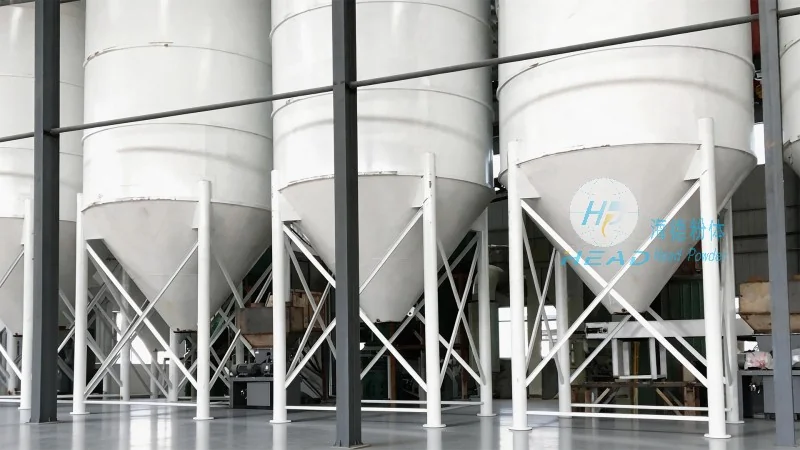
Denitration urea, also known as urea used in denitration processes, is a key chemical in reducing nitrogen oxides (NOx) emissions from industrial sources. Its transportation involves moving the urea from storage to processing units, often in bulk quantities. Traditional methods like truck or rail transport may be suitable for short distances, but for on-site or long-distance bulk transport, specialized systems are preferred. The primary goal of any denitration urea transportation system is to maintain the material's integrity, minimize dust generation, and ensure consistent flow rates. This section outlines the common transportation methods and highlights the benefits of pneumatic conveying as a leading technology.
Several methods are employed for transporting denitration urea, each with its own advantages and limitations. The most common approaches include bulk handling via trucks, railcars, and specialized conveyor systems. However, for continuous and automated processes, pneumatic conveying has become the preferred method due to its ability to handle high volumes, maintain material quality, and integrate seamlessly with processing equipment. Other methods, such as screw conveyors or belt conveyors, are used for shorter distances or when the material is less sensitive to air exposure. Understanding these methods helps in evaluating which option best fits the operational needs and infrastructure of a facility.
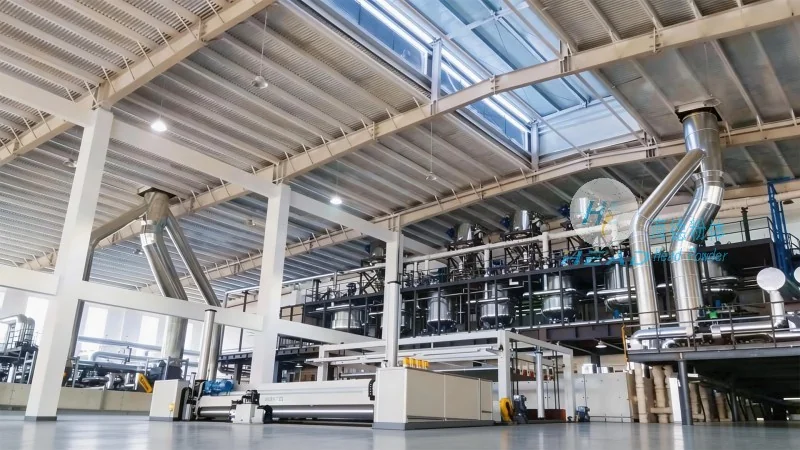
Pneumatic conveying, or air-based transport, is a technology that uses compressed air to move denitration urea through a pipeline. This method offers several advantages over traditional mechanical systems. First, it eliminates the need for moving parts in the conveying line, reducing maintenance costs and minimizing the risk of material contamination. Second, pneumatic systems can handle a wide range of particle sizes and flow rates, making them versatile for different applications. Third, they provide better control over the material's velocity and pressure, ensuring consistent delivery to processing units. The system typically consists of a hopper, a rotary airlock valve, a conveying line, and a receiver, with optional components like filters and cyclones to manage dust and ensure clean operation.
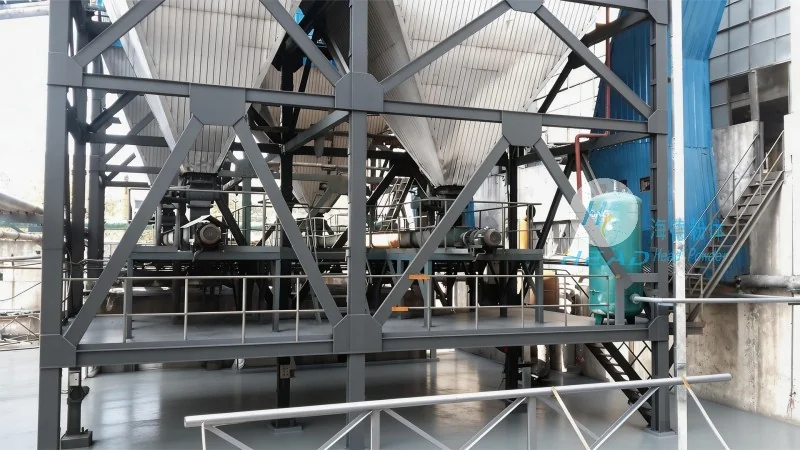
The effectiveness of a pneumatic conveying system for denitration urea depends on several key components. The hopper serves as the storage and feeding unit, where the urea is loaded and prepared for transport. The rotary airlock valve, positioned at the hopper outlet, controls the flow of material into the conveying line, preventing backflow and maintaining consistent pressure. The conveying line, usually made of stainless steel or other corrosion-resistant materials, is designed to withstand the abrasive nature of urea particles and the pressure of compressed air. The receiver, located at the destination, collects the urea and may include a discharge valve to regulate the material's release. Additional components such as filters and cyclones are crucial for maintaining air quality and preventing dust accumulation in the system. These components work together to ensure efficient and reliable transportation of denitration urea.
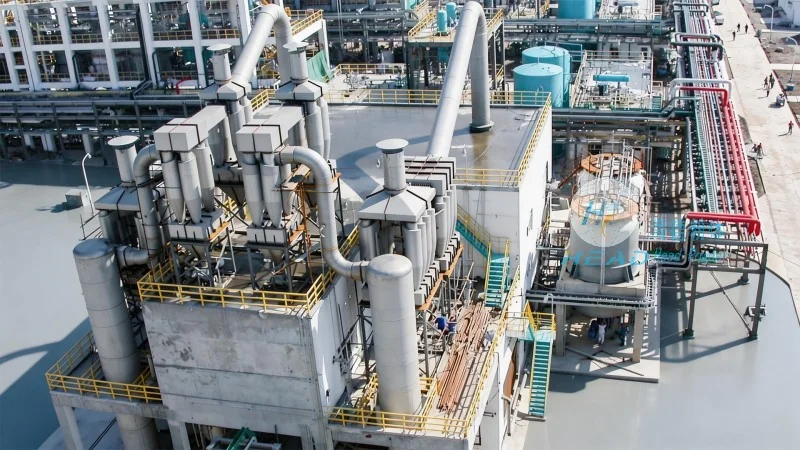
Compared to other transportation methods, pneumatic conveying offers numerous benefits for denitration urea applications. One of the most significant advantages is the ability to handle high volumes of material with minimal labor. The system can operate continuously, reducing downtime and increasing overall productivity. Additionally, pneumatic conveying minimizes the risk of material spillage and contamination, which is critical for maintaining environmental compliance and product quality. The enclosed system also reduces dust exposure, improving workplace safety and air quality. Another advantage is the flexibility of the system, as it can be easily integrated with existing processing equipment or expanded to accommodate increased production demands. These benefits make pneumatic conveying an attractive option for facilities seeking to optimize their denitration urea transportation processes.
When choosing a denitration urea transportation system, several factors must be considered to ensure the best fit for the facility's needs. The first consideration is the distance and volume of material to be transported. For short distances and low volumes, traditional conveyor systems may be sufficient, but for long distances or high volumes, pneumatic conveying is often more cost-effective. The second factor is the material's properties, such as particle size, moisture content, and abrasiveness. These characteristics influence the choice of equipment, such as the type of hopper or the material of the conveying line. The third consideration is the operational environment, including the need for dust control and safety measures. Facilities in areas with strict environmental regulations may prioritize systems that minimize emissions and maintain air quality. Finally, the cost of installation, maintenance, and operation must be evaluated to ensure the system is economically viable in the long term. By carefully considering these factors, facilities can select a transportation system that maximizes efficiency, safety, and compliance.

 Shandong Headpowder Engineering Co., Ltd.
 156-6277-7102(Manager Zhang)
  0531-83386006
  Zhangqiu District, Jinan City, Shandong Province, China
telephone
WeChatconsult
top