

What is a Steel and Lime Material Handling System Equipment? What are its Design Principles?
Steel and lime material handling systems are specialized equipment designed to transport and manage the movement of steel and lime materials within industrial settings. These systems are crucial for optimizing production processes, ensuring safety, and enhancing operational efficiency in manufacturing environments. The equipment typically includes conveyors, feeders, and control systems tailored to handle the specific properties of steel and lime, such as their density, abrasiveness, and handling requirements.

About HeadPowder Engineering
HeadPowder, or Shandong HeadPowder Engineering Co., Ltd., is a leading manufacturer specializing in the design and production of material handling systems. With a strong presence in China, particularly in Shandong, the company has built a reputation for delivering high-quality, reliable equipment tailored to the needs of various industrial sectors. Their expertise lies in understanding the unique challenges of handling steel and lime, and developing solutions that address these challenges effectively.
Components and Design Principles of the Material Handling System
The steel and lime material handling system equipment comprises several key components, each playing a vital role in the overall operation. The primary components include bulk material conveyors, such as belt conveyors or screw conveyors, which are engineered to handle the bulk density and flow characteristics of steel and lime. These conveyors are designed with robust materials to withstand the abrasive nature of the materials, ensuring long-term durability and minimal maintenance.
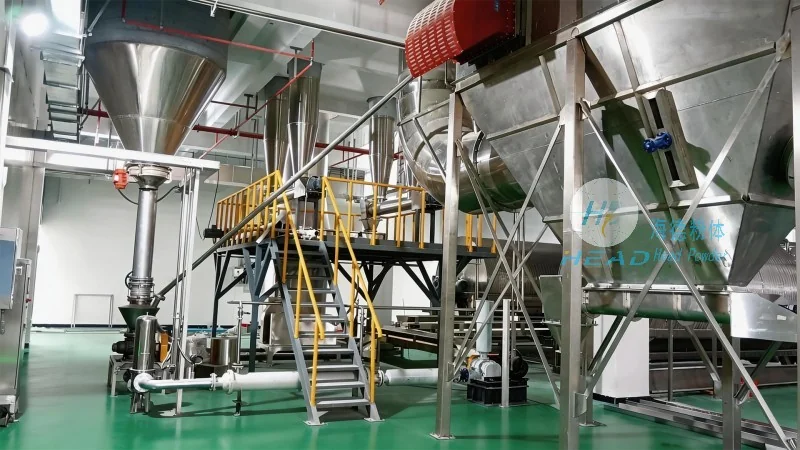
Feeding mechanisms, often integrated with the conveyors, are crucial for controlling the flow rate and distribution of the materials. These may include vibratory feeders or rotary valves, which help in regulating the material input to downstream processes. The control systems, typically PLC-based, manage the operation of the conveyors and feeders, ensuring precise control over the material movement and preventing overloading or underflow.
The design principles of the system focus on several key factors. First, the system must be able to handle the high abrasiveness of steel and the fine, powdery nature of lime. This requires the use of wear-resistant materials, such as hardened steel or special alloys, for the conveyor components and housing. Second, the system is designed to ensure safety and compliance with industrial standards. This includes features like emergency stop buttons, overload protection, and proper sealing to prevent dust emissions and material leakage.
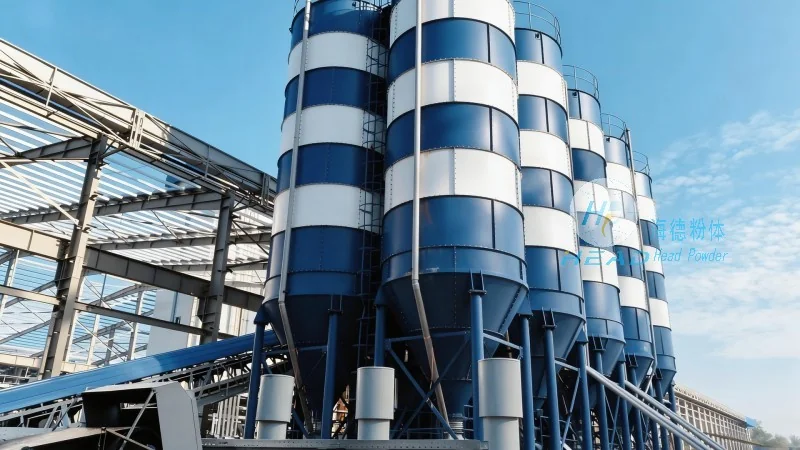
Another critical design consideration is the integration with existing production lines. The system is engineered to be modular and adaptable, allowing for easy installation and integration with other equipment. This flexibility enables manufacturers to customize the system to fit their specific production requirements, whether for small-scale or large-scale operations. The design also emphasizes energy efficiency, using motor-driven systems that optimize power consumption while maintaining performance.
Applications and Advantages of the System
The steel and lime material handling system is widely used in various industrial applications, including steel mills, chemical plants, and mining operations. In steel mills, the system is essential for transporting raw materials like lime to the blast furnace, ensuring a consistent supply of materials for the smelting process. In chemical plants, it is used to handle lime for flue gas desulfurization, where the material is used to neutralize acidic gases.
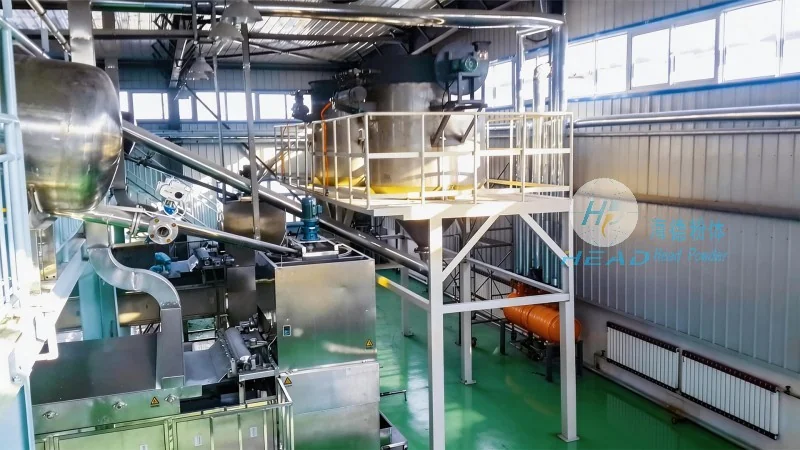
The advantages of using this system include improved operational efficiency, reduced labor costs, and enhanced safety. The automated control systems minimize the need for manual handling, reducing the risk of accidents and improving productivity. The robust design ensures low maintenance costs, as the equipment is built to withstand harsh operating conditions. Additionally, the system's ability to handle large volumes of material at a consistent rate helps in maintaining production schedules and meeting quality standards.
Conclusion
Steel and lime material handling systems are essential equipment for modern industrial operations, providing efficient and reliable solutions for material transport. HeadPowder Engineering, with its expertise and commitment to quality, offers a range of systems designed to meet the specific needs of various industries. By understanding the design principles and components of these systems, manufacturers can optimize their production processes and enhance overall operational performance.