

The Desulfurizer Material Handling System Equipment: An Overview of Its Design Principles
For industrial facilities that rely on flue gas desulfurization (FGD) processes, the efficient and reliable transportation of desulfurizer materials is a critical operational requirement. This article explores the desulfurizer material handling system equipment, detailing its components, operational mechanisms, and the underlying design principles that ensure optimal performance in industrial applications.
Understanding the Desulfurizer Material Handling System
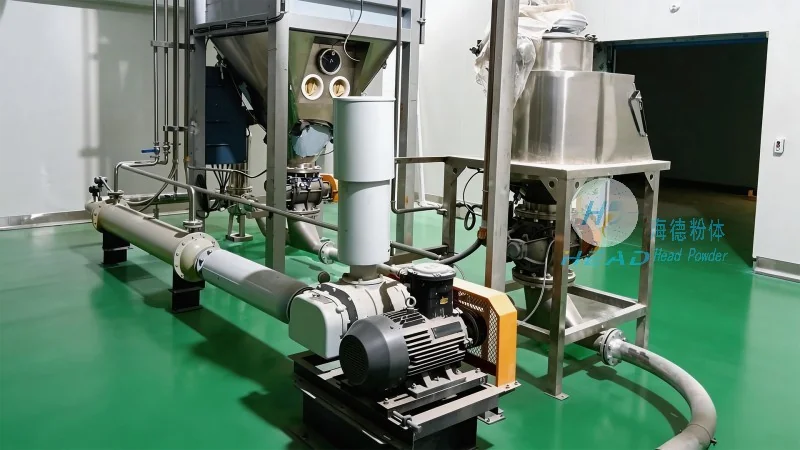
The desulfurizer material handling system is a specialized equipment setup designed to transport and manage desulfurizer materials, typically including limestone, gypsum, or other reagents used in the FGD process. These systems are integral to the overall efficiency of power plants and other industrial facilities that aim to reduce sulfur dioxide emissions. The system typically comprises several key components, including feeders, conveyors, storage silos, and control systems, all working in tandem to ensure a continuous and controlled flow of materials.
Key Components of the Desulfurizer Material Handling System
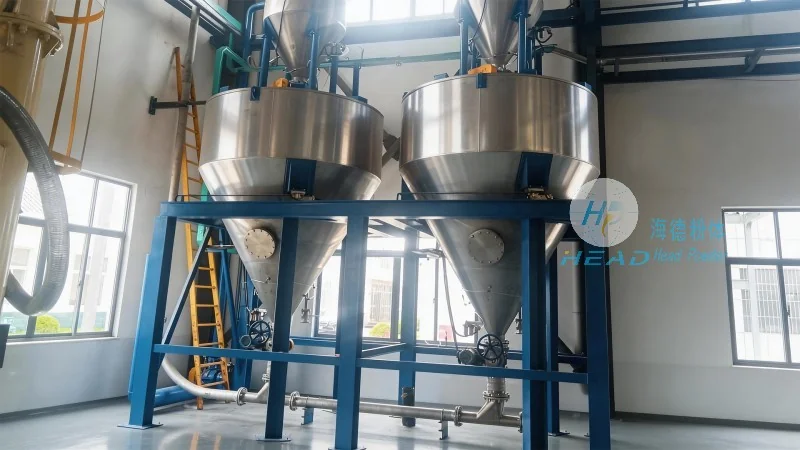
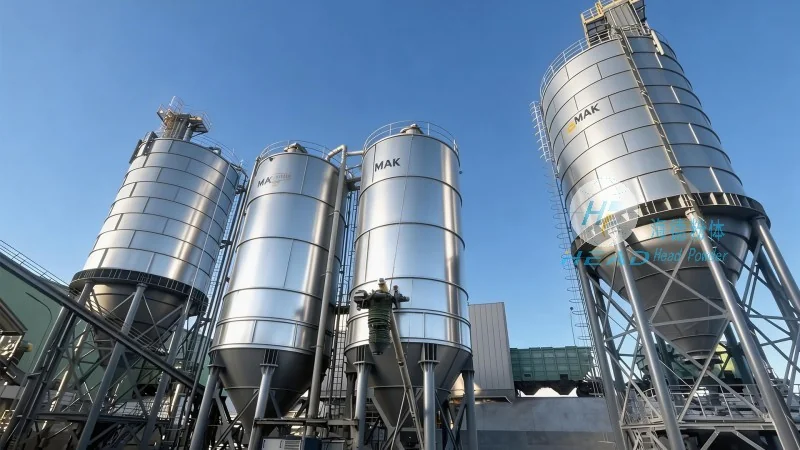
At the core of the desulfurizer material handling system are several essential components that facilitate material transport and storage. The storage silos are designed to hold large quantities of desulfurizer materials, ensuring a steady supply for the FGD process. These silos are equipped with level sensors and aeration systems to maintain material flowability and prevent caking. The feeders, often rotary or vibratory types, are responsible for delivering the material from the silos to the subsequent processing stages. Conveyors, such as belt or screw conveyors, then transport the material to the reaction tower or other processing units. Control systems, integrated with sensors and automation technology, monitor and regulate the entire process, ensuring that material flow rates and pressures are maintained within optimal parameters.
Design Principles for Efficient Material Handling
The design of the desulfurizer material handling system is guided by several key principles aimed at maximizing efficiency, reliability, and safety. One of the primary principles is the minimization of material degradation during transport. This is achieved through the use of appropriate equipment, such as low-friction conveyors and enclosed systems to prevent dust generation and material attrition. Another critical principle is the prevention of blockages and clogging, which can disrupt the entire FGD process. The system incorporates features like air cannons, vibration systems, and anti-stick coatings to mitigate these issues and ensure smooth material flow.
Operational Considerations and Maintenance
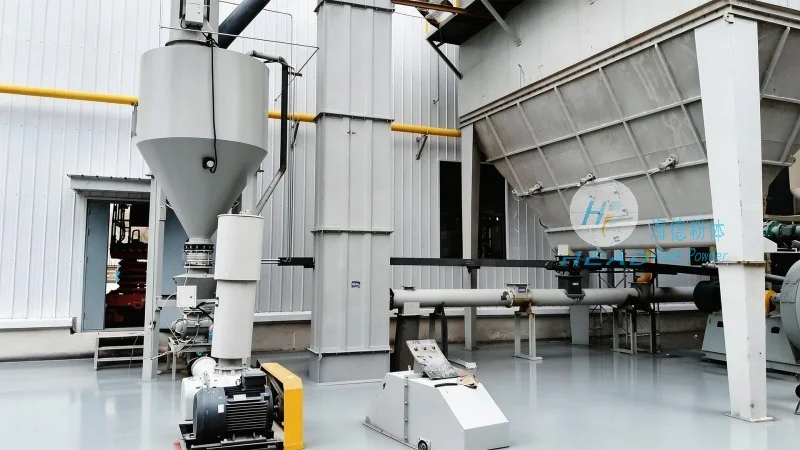
Effective operation of the desulfurizer material handling system requires careful consideration of operational parameters and regular maintenance. The system must be designed to handle the specific properties of the desulfurizer material, including its particle size distribution, moisture content, and flow characteristics. Regular maintenance, including cleaning of conveyors, inspection of bearings, and calibration of sensors, is essential to prevent equipment failure and ensure long-term reliability. Additionally, the system should be equipped with emergency shutdown (ESD) features to protect personnel and equipment in case of unexpected events.
About Shandong HeadPowder Engineering Co., Ltd.
Shandong HeadPowder Engineering Co., Ltd., commonly known as HeadPowder, is a leading manufacturer and supplier of industrial material handling systems, including desulfurizer material handling equipment. With a focus on innovation and quality, HeadPowder provides customized solutions tailored to the specific needs of its clients. The company’s expertise in material handling technology ensures that its products are designed to meet the highest standards of efficiency, reliability, and safety. HeadPowder’s commitment to customer satisfaction and technical excellence has established it as a trusted partner in the industrial sector, particularly in power generation and environmental protection applications.
By understanding the design principles and operational aspects of the desulfurizer material handling system, industrial facilities can optimize their FGD processes, reduce operational costs, and enhance overall environmental performance. The integration of advanced technology and careful engineering in these systems ensures that they can meet the demanding requirements of modern industrial operations.