With more than 10‑year industry experience, Shandong Headpowder delivers full‑service pneumatic‑conveying systems and blowers, undertaking nationwide turn‑key powder‑handling projects.
Fluorosilicate sodium, a crucial chemical compound widely used in various industrial applications, requires efficient and reliable transportation methods to ensure smooth operational processes. The choice of transportation method significantly impacts the overall efficiency, safety, and cost-effectiveness of handling this chemical. This article explores common transportation methods for fluorosilicate sodium, with a specific focus on pneumatic conveying systems, which have become increasingly popular due to their advantages in handling such materials. As a leading provider of specialized engineering solutions, Shandong HeadPowder Engineering Co., Ltd. (headpowder) offers advanced pneumatic conveying systems tailored to meet the unique needs of industrial clients handling fluorosilicate sodium.
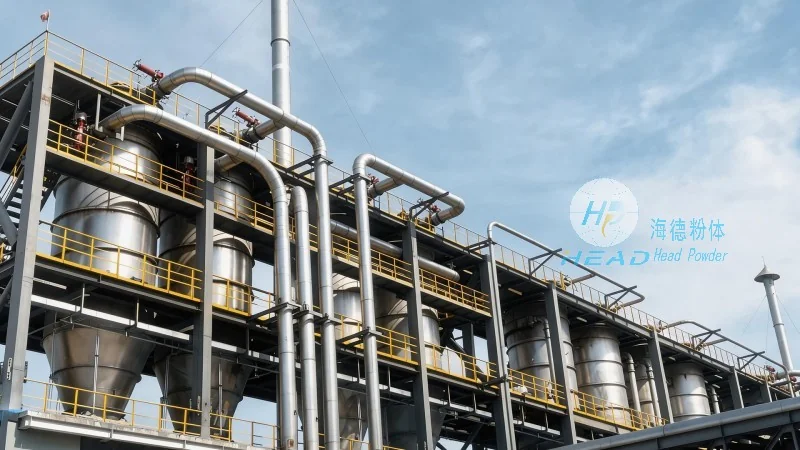
Pneumatic conveying is a widely adopted technique for transporting fluorosilicate sodium, particularly in industrial settings where bulk handling and precise control are essential. This method involves the use of air or other gases to move the material through a pipeline system. The process typically includes a feeding device, a conveying line, and a discharge mechanism. For fluorosilicate sodium, pneumatic conveying offers several benefits, including the ability to handle fine powders without clogging, reduced risk of contamination, and improved safety by eliminating the need for manual handling of the material. The enclosed system also helps maintain the material's quality, preventing exposure to moisture or other environmental factors that could affect its performance.
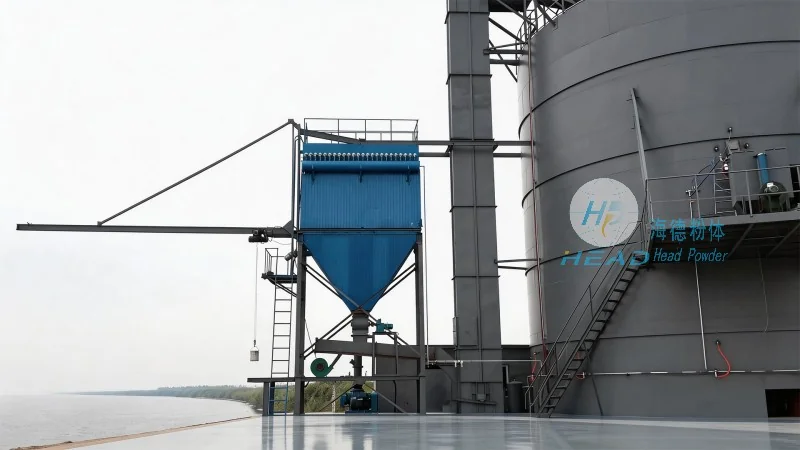
The effectiveness of a pneumatic conveying system for fluorosilicate sodium depends on its key components, which are designed to optimize the material's movement and ensure consistent performance. These components include: a material feeder, which accurately meters the fluorosilicate sodium into the conveying line; a blower or compressor, which generates the necessary air pressure to move the material; a pipeline system, which transports the material from the feeder to the discharge point; and a receiver or hopper, where the material is collected after conveying. Each component plays a critical role in maintaining the system's efficiency and reliability. For instance, the feeder ensures a consistent flow rate, while the blower provides the pressure needed to overcome resistance in the pipeline. The pipeline's diameter and length are carefully selected based on the material's properties and the required conveying distance.
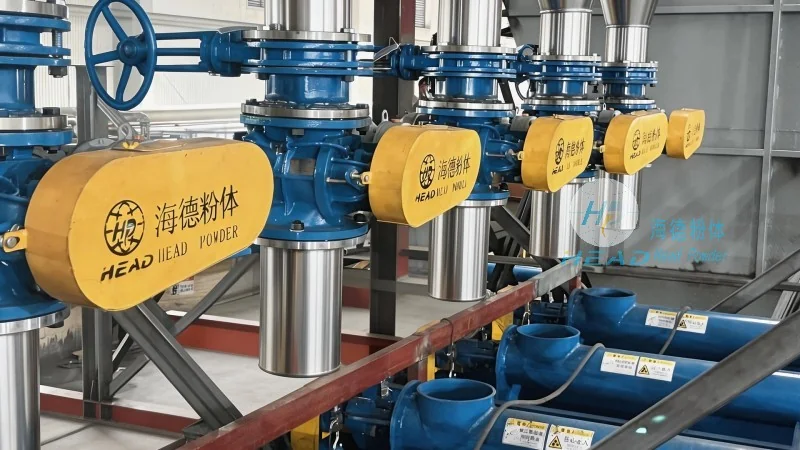
When compared to other transportation methods, such as belt conveyors or bucket elevators, pneumatic conveying offers distinct advantages for fluorosilicate sodium. These advantages include: enhanced safety, as the material is contained within the pipeline, reducing exposure risks and minimizing the risk of dust explosions. Improved hygiene is another key benefit, as the system is enclosed, preventing contamination from external sources and ensuring the material remains clean and free from impurities. Additionally, pneumatic conveying can handle varying material flow rates and can be integrated with other processing equipment, such as reactors or storage tanks, making it a versatile solution for industrial applications. The flexibility of the system allows for changes in the conveying route without major modifications, which is particularly useful in facilities where space is limited or where production needs to be scaled up or down.
While pneumatic conveying is an effective method for fluorosilicate sodium, several factors must be considered when implementing such a system. These considerations include the material's properties, such as its particle size, moisture content, and flowability, which can affect the system's design and performance. The system's capacity and the required conveying distance are also critical factors that influence the choice of equipment, such as the blower's capacity and the pipeline diameter. Furthermore, the system's maintenance requirements and operational costs should be evaluated to ensure long-term efficiency and cost-effectiveness. For example, the choice of blower type (positive displacement or centrifugal) depends on the material's characteristics and the desired conveying pressure. Regular maintenance of the system, including cleaning the pipeline and checking the blower's performance, is essential to prevent clogging and ensure consistent operation.
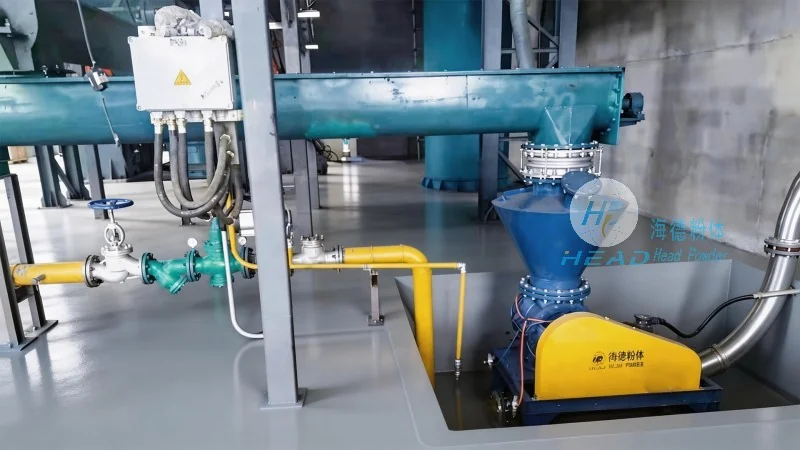
In conclusion, the selection of an appropriate transportation method for fluorosilicate sodium is essential for optimizing industrial processes. Pneumatic conveying, with its advantages in safety, hygiene, and flexibility, is a preferred choice for many applications. However, the specific requirements of each operation, including material properties and operational conditions, should be carefully evaluated to determine the most suitable system. By understanding the key components and benefits of pneumatic conveying, industries can enhance their handling processes and ensure the efficient and safe transportation of fluorosilicate sodium. Shandong HeadPowder Engineering Co., Ltd. (headpowder), with its expertise in chemical handling systems, provides tailored solutions that address the unique challenges of fluorosilicate sodium transportation, helping clients achieve optimal performance and operational efficiency.

 Shandong Headpowder Engineering Co., Ltd.
 156-6277-7102(Manager Zhang)
  0531-83386006
  Zhangqiu District, Jinan City, Shandong Province, China
telephone
WeChatconsult
top