With more than 10‑year industry experience, Shandong Headpowder delivers full‑service pneumatic‑conveying systems and blowers, undertaking nationwide turn‑key powder‑handling projects.
When discussing the handling and transportation of lithium carbonate, it's essential to understand the processes and equipment involved. Lithium carbonate is a critical raw material in the production of lithium-ion batteries, which are central to modern energy storage and electric vehicle technologies. The efficient and safe handling of this material is crucial for industrial operations, as it directly impacts production efficiency, safety standards, and overall operational costs. This article explores the key aspects of lithium carbonate material handling, focusing on the design principles that underpin effective systems.
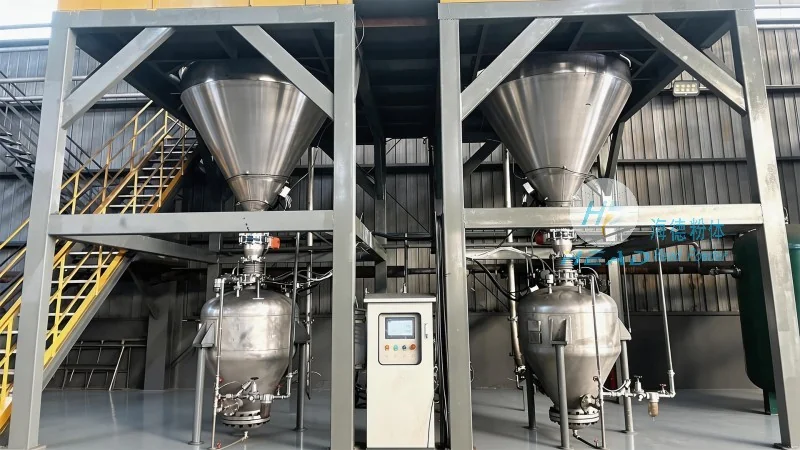
The material handling system for lithium carbonate typically involves several core components that work in concert to ensure smooth operation. These components include storage silos, conveying equipment such as belt conveyors or pneumatic systems, feeding mechanisms, and processing units. Each component is designed to handle the specific physical and chemical properties of lithium carbonate, which includes its fine powder form and potential reactivity under certain conditions. The storage silos are often constructed from materials like stainless steel or corrosion-resistant alloys to prevent contamination and ensure durability. Conveying systems may use enclosed or open belt conveyors, depending on the environment and the need for dust control. Feeding mechanisms, such as rotary valves or screw feeders, regulate the flow of material into subsequent processing stages. These components are integrated into a cohesive system that optimizes the movement of lithium carbonate from storage to processing or packaging.
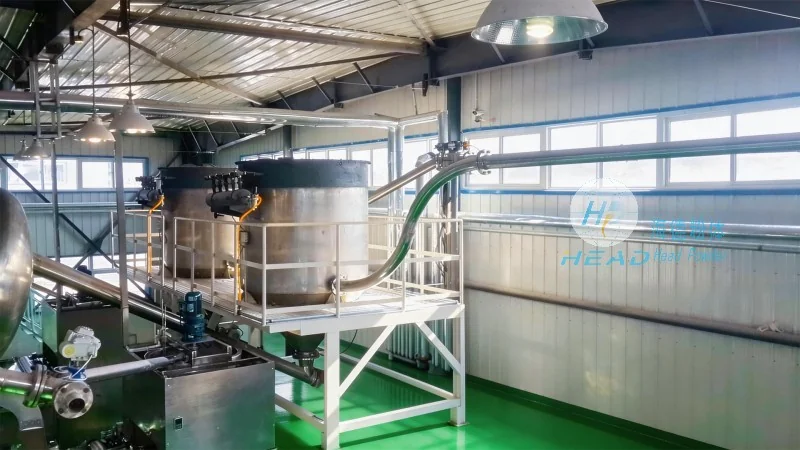
The design of lithium carbonate material handling systems follows several fundamental principles aimed at maximizing efficiency, safety, and reliability. One of the primary principles is the minimization of material loss and contamination. This is achieved through the use of sealed systems, proper sealing of equipment, and regular maintenance to prevent leaks or spills. Another key principle is the control of dust generation and dispersion. Lithium carbonate is a fine powder, and excessive dust can pose health risks and affect the performance of downstream equipment. Therefore, dust control measures, such as enclosures, filtration systems, and proper ventilation, are integral to the design. Additionally, the system must be designed to handle the material's flow characteristics, which can vary based on moisture content, particle size, and bulk density. Properly sized and configured equipment ensures consistent flow rates and prevents blockages or surges that could lead to equipment damage or production downtime. The design also considers the need for easy cleaning and maintenance, as lithium carbonate can adhere to surfaces and require thorough cleaning to prevent buildup and contamination.
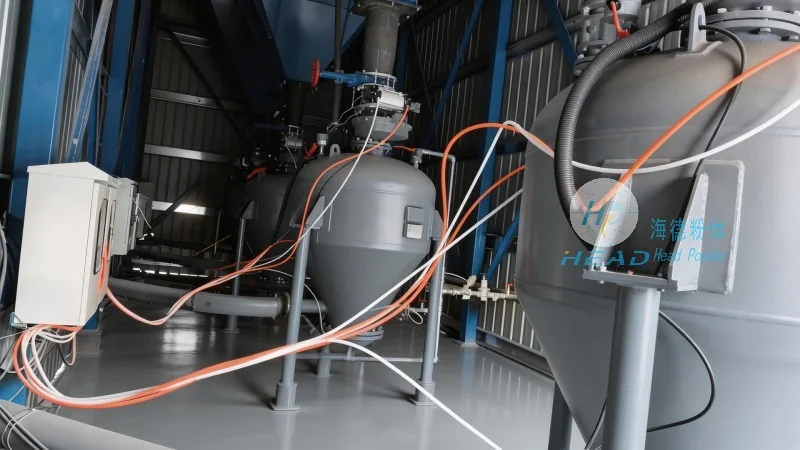
The physical and chemical properties of lithium carbonate significantly influence the design of material handling systems. Lithium carbonate is a white, crystalline powder with a relatively low bulk density compared to other materials. Its fine particle size makes it prone to dust formation and requires careful handling to avoid inhalation hazards. The material is also hygroscopic, meaning it can absorb moisture from the air, which may affect its flowability and reactivity. These properties necessitate specific design considerations, such as the use of dry, low-humidity environments for storage and handling. The system must also account for the material's potential reactivity with certain materials, such as metal oxides or acidic substances, which could lead to corrosion or chemical reactions. Therefore, the selection of materials for equipment, such as stainless steel or specialized plastics, is critical to ensure compatibility and prevent degradation over time. Understanding these properties allows engineers to design systems that are both effective and safe, minimizing risks associated with material handling.
Lithium carbonate material handling systems are widely used in industries that rely on lithium-ion battery production. These include battery manufacturers, chemical processing plants, and mining operations that extract and process lithium ores. In battery manufacturing, the material handling system ensures a steady supply of lithium carbonate to the production line, where it is converted into lithium hydroxide or other lithium compounds for battery cathodes. The efficiency of the handling system directly impacts the production rate and cost of batteries. In chemical processing plants, the system may be part of a larger material flow network, integrating lithium carbonate with other raw materials for further processing. Mining operations may use specialized handling systems to transport lithium carbonate from processing facilities to storage or shipping points. Each application requires tailored design considerations, but all share the common goal of ensuring safe and efficient material movement. The systems are also used in research and development facilities, where precise control over material handling is essential for testing and experimentation.
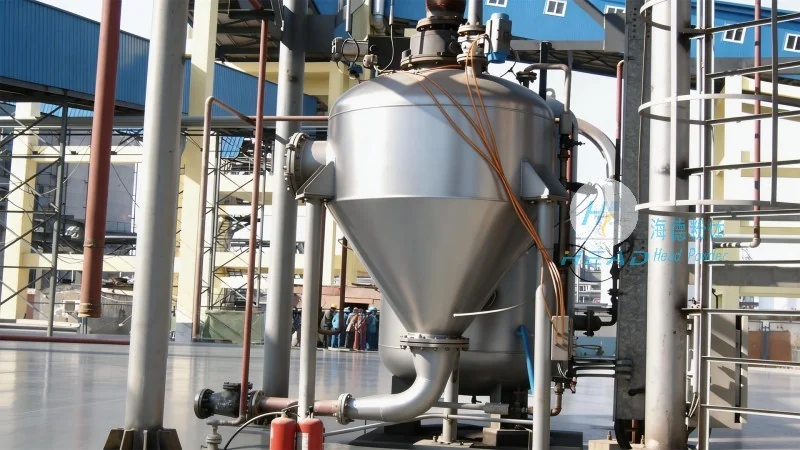
Properly designed lithium carbonate material handling systems are vital for the success of industrial operations that rely on this critical material. The design principles discussed, including dust control, material compatibility, and flow optimization, ensure that the system operates efficiently and safely. By understanding the unique properties of lithium carbonate and integrating appropriate equipment and processes, companies can minimize risks, reduce costs, and maintain high production standards. The role of companies like Shandong HeadPowder Engineering Co., Ltd. in designing and implementing these systems is crucial, as they bring expertise in material handling and industrial engineering to ensure that operations run smoothly. With the growing demand for lithium-ion batteries, the importance of reliable material handling systems will only increase, making it essential for industries to invest in well-designed and maintained systems. By adhering to these design principles, companies can ensure that their lithium carbonate handling operations are both effective and sustainable, supporting the broader transition to renewable energy technologies.

 Shandong Headpowder Engineering Co., Ltd.
 156-6277-7102(Manager Zhang)
  0531-83386006
  Zhangqiu District, Jinan City, Shandong Province, China
telephone
WeChatconsult
top