

[Pneumatic Conveying Equipment for Plastic Granules: Understanding the Equipment and Its Design Prin
When it comes to handling plastic granules in industrial settings, efficient and reliable material transport is crucial. Pneumatic conveying equipment has emerged as a key solution for moving these materials from one location to another with precision and minimal disruption. This article delves into what plastic granule material pneumatic conveying equipment is and explores the fundamental design principles that underpin its operation.
Introduction to Plastic Granule Pneumatic Conveying Equipment
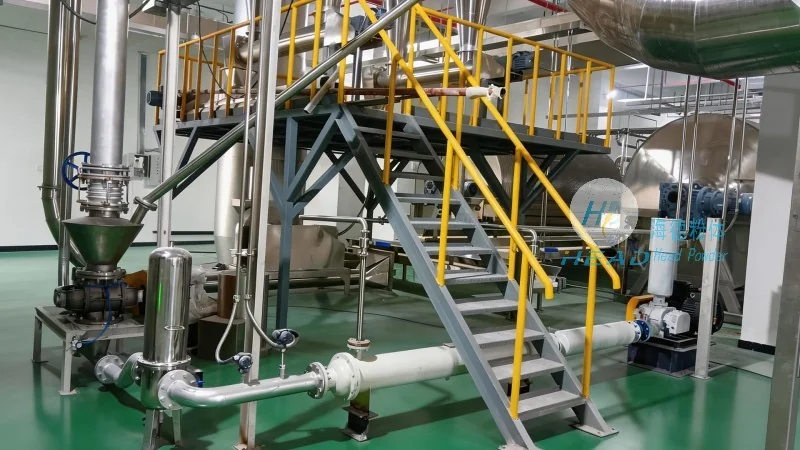
Plastic granule material pneumatic conveying equipment is a system designed to transport plastic granules through a pipeline using air or other gas as the conveying medium. Unlike traditional mechanical conveying methods, such as screw conveyors or belt conveyors, pneumatic systems rely on the force of air to move the material, making them particularly suitable for applications where dust control, contamination prevention, and gentle handling are essential. The equipment typically consists of a hopper, a conveying line, a separator, and a receiver, all working in tandem to ensure smooth material transfer.
Key Components of the Pneumatic Conveying System
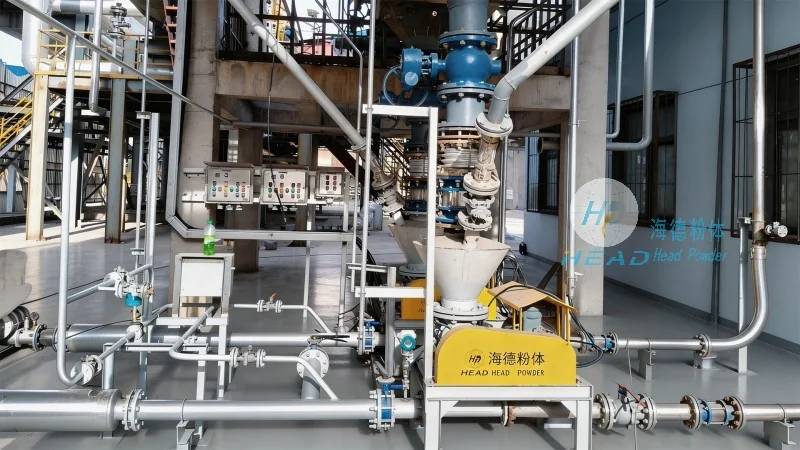
The effectiveness of a plastic granule pneumatic conveying system hinges on its key components, each playing a vital role in the overall operation. The hopper serves as the storage and feeding unit, where plastic granules are loaded and then fed into the conveying line. The conveying line, often made of stainless steel or other corrosion-resistant materials, is where the material travels under the pressure of the conveying medium. The separator is a critical component that separates the conveyed material from the air, ensuring that the plastic granules are collected in the receiver without any air or dust contamination. The receiver, or discharge hopper, holds the transported plastic granules until they are further processed or stored.
Design Principles for Efficient Plastic Granule Conveying
The design of plastic granule pneumatic conveying equipment is guided by several key principles aimed at maximizing efficiency, minimizing energy consumption, and ensuring durability. One of the primary principles is the selection of the appropriate conveying velocity. The velocity must be high enough to overcome the resistance of the material in the pipeline but low enough to prevent excessive wear and tear on the equipment. This balance is crucial for maintaining the quality of the plastic granules and extending the lifespan of the system. Another critical design principle is the consideration of the material's properties, such as its density, flowability, and moisture content. These factors influence the choice of conveying method (e.g., pressure or vacuum systems) and the system's overall configuration. For instance, pressure systems are often preferred for long-distance conveying, while vacuum systems are suitable for short-distance or low-volume applications.
Advantages of Using Pneumatic Conveying for Plastic Granules
Adopting pneumatic conveying equipment for plastic granules offers several advantages over traditional mechanical methods. First, it provides excellent dust control, as the material is contained within the pipeline, reducing the risk of airborne particles and improving workplace safety. Second, it minimizes contamination, as the system is enclosed and the conveying medium can be filtered to remove any particles that might affect the quality of the plastic granules. Third, it allows for gentle handling of the material, which is particularly important for delicate plastic granules that could be damaged by mechanical stress. Additionally, pneumatic systems can be easily integrated into existing production lines and offer flexibility in terms of layout and material flow.
Applications in the Plastic Industry
Pneumatic conveying equipment is widely used in various applications within the plastic industry. From raw material handling to finished product transport, these systems are essential for processes such as compounding, extrusion, and molding. In compounding, plastic granules are mixed with additives and other materials using pneumatic conveying to ensure uniform distribution. In extrusion, the conveyed granules are fed into the extruder, where they are melted and shaped into various products like films, pipes, or sheets. The equipment's ability to handle different types of plastic granules, including polyethylene, polypropylene, and polystyrene, makes it versatile and adaptable to various production needs.
Customization and Integration by Shandong HeadPowder Engineering Co., Ltd.
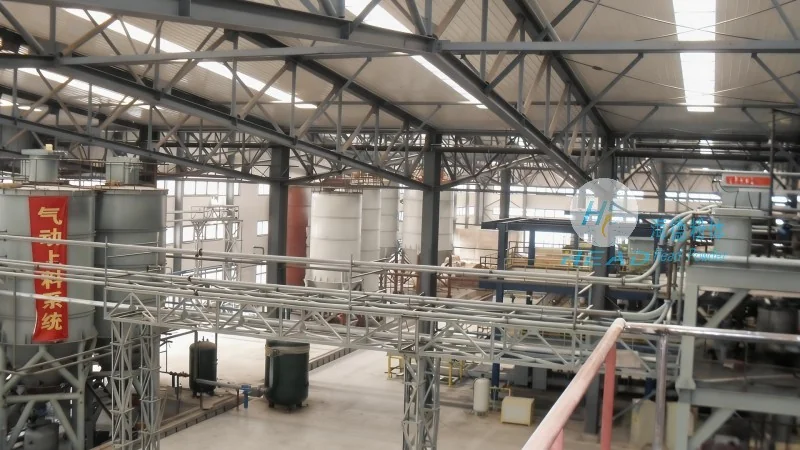
Shandong HeadPowder Engineering Co., Ltd., a leading manufacturer of pneumatic conveying equipment, specializes in providing customized solutions tailored to the specific needs of plastic manufacturers. With a focus on quality and innovation, the company designs and manufactures equipment that meets the highest industry standards. The company's expertise lies in understanding the unique challenges of plastic granule handling and developing systems that address these challenges effectively. Whether it's a new installation or an upgrade to an existing system, Shandong HeadPowder offers comprehensive support, from design and manufacturing to installation and maintenance. The company's commitment to customer satisfaction and product excellence has made it a trusted partner in the plastic industry, helping businesses improve their operational efficiency and product quality.
Conclusion
In conclusion, plastic granule material pneumatic conveying equipment is a sophisticated and efficient solution for transporting plastic granules in industrial settings. By understanding the key components, design principles, and advantages of these systems, manufacturers can make informed decisions about implementing such equipment. With the expertise of companies like Shandong HeadPowder Engineering Co., Ltd., businesses can leverage the benefits of pneumatic conveying to enhance their production processes and achieve higher levels of efficiency and quality. As the demand for plastic products continues to grow, the importance of reliable material handling systems like pneumatic conveyors will only increase, making them an essential component of modern plastic manufacturing operations.