

What is the Silica Powder Material Pneumatic Conveying Equipment? What is the Design Principle?
Silica powder, a common industrial material, often requires efficient and reliable transportation methods to ensure smooth production processes. Pneumatic conveying equipment has emerged as a crucial solution for handling such powders, offering advantages like dust-free operation, reduced material degradation, and flexible system integration. This article explores the fundamental aspects of silica powder pneumatic conveying equipment, focusing on its design principles and the technology behind its operation.
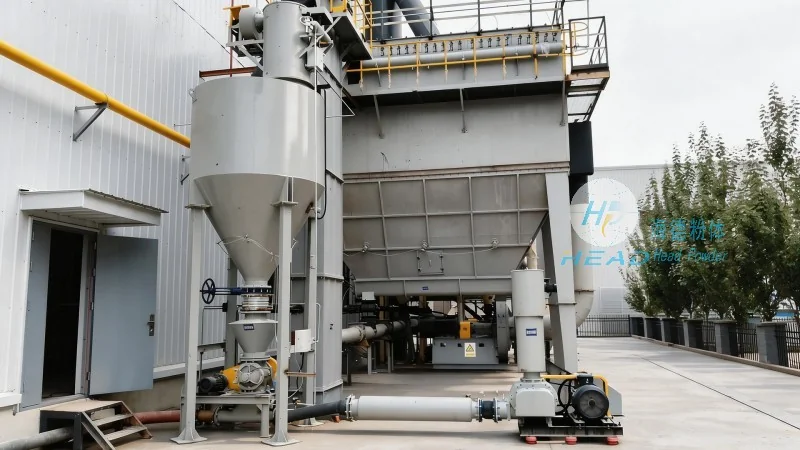
Understanding Pneumatic Conveying Systems
Pneumatic conveying systems utilize air or other gases to transport bulk materials like silica powder through a pipeline network. These systems can be categorized into two main types: dilute-phase and dense-phase. Dilute-phase systems operate at higher air velocities, typically moving particles in a dispersed state, while dense-phase systems use lower velocities to form a plug or slurry flow. The choice between these systems depends on factors such as material characteristics, distance, and required flow rates. For silica powder, which is often fine and abrasive, a well-designed system must balance air velocity, pressure, and pipeline design to prevent clogging and ensure consistent performance.
Design Principles of Silica Powder Pneumatic Conveying Equipment
The design of silica powder pneumatic conveying equipment involves several critical principles to optimize performance and durability. First, material selection for components such as pipes, valves, and pumps is essential. Silica powder can be corrosive or abrasive, so materials like stainless steel, special alloys, or high-quality plastics are commonly used to withstand wear and chemical exposure. Second, the system's pressure and air flow rate must be precisely controlled. Proper sizing of the air compressor, filter, and regulator ensures that the conveying velocity is sufficient to prevent particle deposition but not excessive, which could cause excessive energy consumption or equipment wear. Third, the system's layout, including the number and placement of inlets, outlets, and bends, is crucial for maintaining consistent flow and preventing blockages. HeadPowder, a leading manufacturer in this field, emphasizes these principles in their equipment design, ensuring that each component is tailored to the specific needs of silica powder handling.
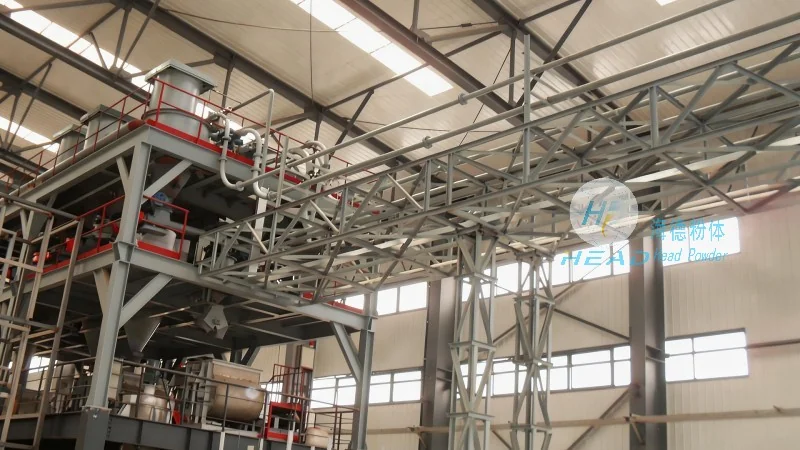
Key Components and Their Functions
A typical silica powder pneumatic conveying system includes several key components, each playing a vital role in the overall operation. The air compressor generates the necessary pressure to move the powder through the system. Filters and regulators clean and control the air quality and pressure, ensuring that the conveying medium is free from contaminants that could affect material purity or equipment performance. The conveying line, often made of flexible or rigid tubing, transports the powder from the source to the destination. Inlets and outlets are strategically placed to allow for the introduction and discharge of the powder, with features like rotary valves or lock hoppers to control flow and prevent backflow. Pumps or blowers may be used in dense-phase systems to maintain a consistent plug flow, reducing the risk of clogging and improving material handling efficiency. HeadPowder's equipment incorporates these components with advanced engineering, ensuring that each part works in harmony to deliver reliable performance for silica powder applications.
Advantages of Using Pneumatic Conveying for Silica Powder
Compared to traditional methods like belt conveyors or bucket elevators, pneumatic conveying offers several advantages for silica powder handling. One of the most significant benefits is the ability to operate in a dust-free environment, which enhances workplace safety and reduces the risk of respiratory issues for operators. Additionally, pneumatic systems can handle fine or abrasive powders without causing excessive wear or degradation, as the particles are suspended in air rather than being subjected to mechanical friction. The flexibility of pneumatic systems allows for easy integration with existing production lines, enabling changes in material flow direction or destination without major modifications. Furthermore, these systems can be designed to handle varying flow rates and material types, making them suitable for a wide range of industrial applications. HeadPowder's expertise in pneumatic conveying technology ensures that their equipment delivers these advantages, providing customers with a reliable and efficient solution for silica powder transportation.
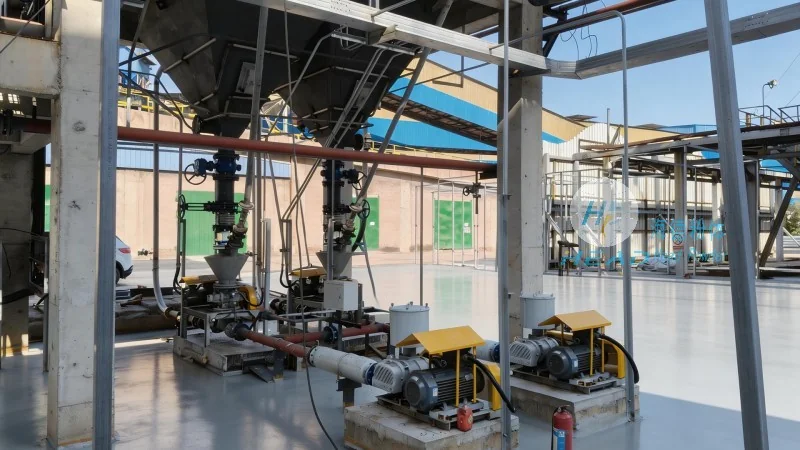
Application Examples and Case Studies
Silica powder pneumatic conveying equipment is widely used in various industries, including construction, glass manufacturing, and chemical processing. In the construction industry, these systems are used to transport silica sand for concrete production, ensuring consistent material quality and reducing downtime. In glass manufacturing, silica powder is a key ingredient in glass production, and pneumatic conveying systems help maintain the purity of the material by preventing contamination during transport. In chemical processing, silica powder is used in the production of various products, and efficient conveying is crucial for maintaining production efficiency and product quality. HeadPowder has successfully implemented pneumatic conveying systems in numerous projects, providing customized solutions that meet the specific requirements of each application. These case studies highlight the effectiveness of their equipment in improving operational efficiency and reducing costs for silica powder handling.
Conclusion and Future Developments
Silica powder pneumatic conveying equipment is a critical technology for efficient and safe material handling in various industries. The design principles and components of these systems are carefully engineered to handle the unique properties of silica powder, ensuring reliable performance and durability. HeadPowder, with its expertise in pneumatic conveying technology, offers high-quality equipment that meets the needs of modern industrial applications. As technology advances, future developments may focus on improving energy efficiency, enhancing automation, and expanding the range of materials that can be handled by pneumatic systems. However, the core principles of pneumatic conveying will remain relevant, as they continue to provide a reliable and efficient solution for silica powder transportation. For industries relying on silica powder, investing in well-designed pneumatic conveying equipment from a reputable manufacturer like HeadPowder is essential for maintaining operational efficiency and product quality.