

Ferric Sulfate Material Pneumatic Conveying Equipment: Understanding Its Design Principles
Ferric sulfate, a key chemical compound widely used in water treatment, industrial processes, and other applications, often requires efficient and reliable material handling solutions. Pneumatic conveying equipment has emerged as a preferred method for transporting ferric sulfate due to its ability to handle fine powders and provide a closed system that minimizes dust exposure and contamination. This article explores the concept of ferric sulfate material pneumatic conveying equipment and delves into its underlying design principles, highlighting how such systems are engineered to meet the specific demands of this critical material.
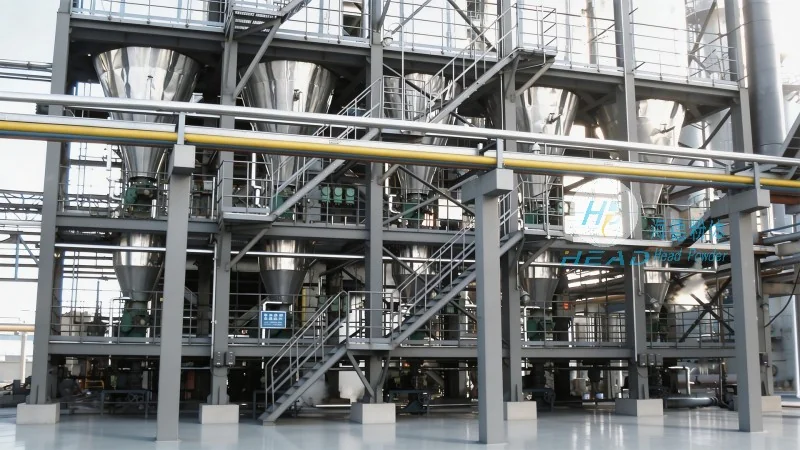
HeadPowder: A Leading Provider of Pneumatic Conveying Solutions
Shandong HeadPowder Engineering Co., Ltd., a prominent manufacturer based in China, specializes in the design, development, and production of advanced pneumatic conveying systems tailored for various industrial applications. With a strong commitment to quality, innovation, and customer satisfaction, HeadPowder has established itself as a trusted partner for businesses seeking efficient material handling solutions. The company’s expertise in chemical processing and material transport has enabled it to develop customized pneumatic conveying equipment that addresses the unique challenges associated with handling ferric sulfate and other similar materials.
Key Components and Design Principles of Ferric Sulfate Pneumatic Conveying Systems
The design of ferric sulfate material pneumatic conveying equipment involves several critical components and principles that ensure optimal performance, safety, and efficiency. These systems typically consist of a feed hopper, a conveying line (often equipped with air ducts and valves), a receiver or discharge unit, and a blower or compressor to generate the necessary air pressure. The feed hopper is designed to store and meter the ferric sulfate powder, ensuring a consistent flow into the conveying line. The conveying line, which may include straight sections, bends, and expansion joints, is engineered to minimize pressure drop and prevent material buildup or blockages. Valves are strategically placed along the line to control the flow direction and regulate the air and material mixture. The receiver or discharge unit is responsible for collecting the conveyed material and separating it from the air stream, often incorporating filtration or cyclone systems to ensure clean material delivery.
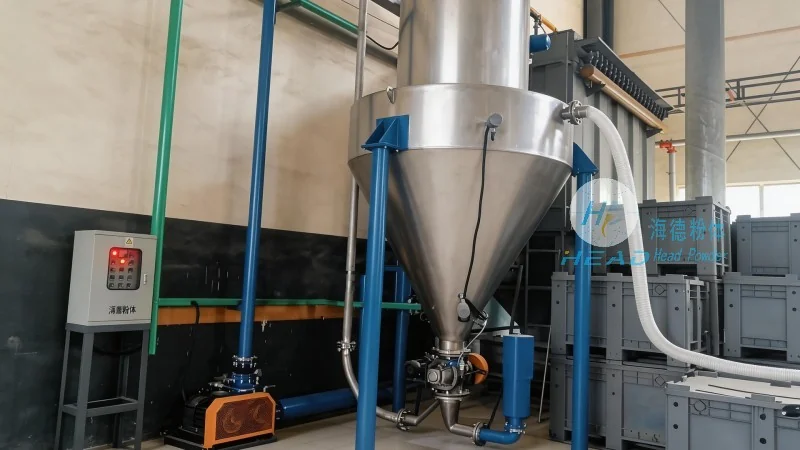
Advantages of Pneumatic Conveying for Ferric Sulfate Handling
Compared to traditional mechanical conveying methods, pneumatic conveying offers several advantages when handling ferric sulfate. These include the ability to transport fine powders over long distances without the need for multiple transfer points, reduced risk of dust contamination and environmental pollution, and the capability to handle materials with varying moisture content or particle sizes. The closed system design also enhances safety by preventing exposure to airborne particles, which is particularly important for materials like ferric sulfate that may pose health risks if inhaled. Additionally, pneumatic conveying systems can be easily integrated with other processing equipment, such as mixers, reactors, or storage tanks, facilitating seamless material flow within industrial processes.
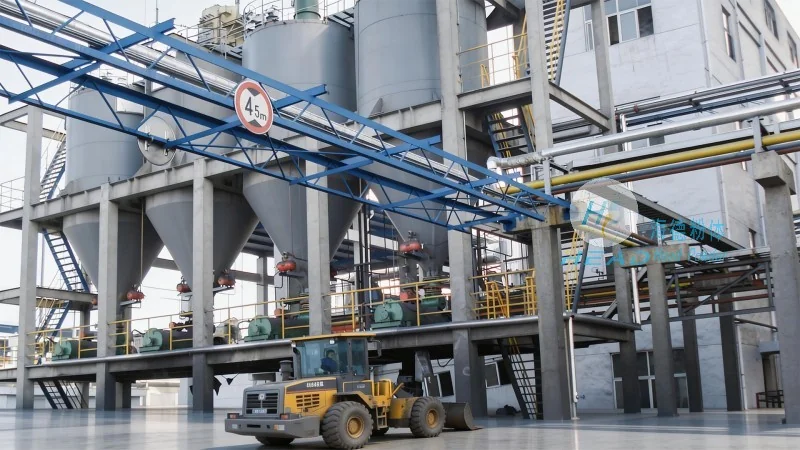
Customization and Application Considerations
HeadPowder recognizes that each industrial application has unique requirements, and thus, offers customized pneumatic conveying solutions tailored to the specific needs of clients. When designing ferric sulfate material conveying systems, factors such as the material's bulk density, flowability, moisture content, and the required conveying distance are carefully considered. The company’s engineers work closely with clients to assess these parameters and select the appropriate equipment configuration, including the type of blower (positive displacement or centrifugal), the diameter of the conveying line, and the number of bends or expansion joints. This customized approach ensures that the final system operates at peak efficiency, minimizing energy consumption and maximizing material throughput while maintaining compliance with safety and environmental standards.
Conclusion
Ferric sulfate material pneumatic conveying equipment, with its robust design and efficient operation, plays a vital role in the industrial processing of this essential chemical. By leveraging the principles of pneumatic transport, such systems provide a reliable and safe method for handling fine powders, reducing operational costs, and enhancing overall process efficiency. Shandong HeadPowder Engineering Co., Ltd., with its expertise and commitment to quality, continues to deliver innovative and customized pneumatic conveying solutions that meet the evolving needs of industries relying on ferric sulfate and other similar materials. Through continuous research and development, the company remains at the forefront of material handling technology, ensuring that clients receive the best possible equipment for their specific applications.