With more than 10‑year industry experience, Shandong Headpowder delivers full‑service pneumatic‑conveying systems and blowers, undertaking nationwide turn‑key powder‑handling projects.
Understanding polyethylene material handling systems is crucial for industries that rely on efficient and reliable transport of bulk materials. These systems are engineered to handle a wide range of polyethylene-based products, ensuring smooth operations from storage to processing. The design principles behind such systems are centered on durability, adaptability, and cost-effectiveness, tailored to meet the specific needs of various industrial applications. This article is brought to you by Shandong HeadPowder Engineering Co., Ltd., a leading provider of specialized material handling solutions in China.
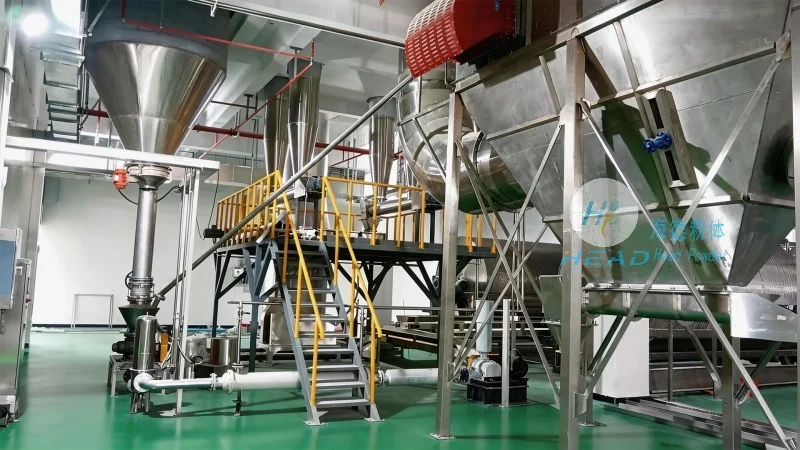
Polyethylene material handling involves the use of specialized equipment and processes to move, store, and manage polyethylene materials. This includes raw materials like pellets or granules, as well as finished products such as plastic sheets or molded parts. The systems are designed to optimize workflow, reduce downtime, and enhance safety in material handling operations. Key components often include conveyors, silos, storage bins, and feeding mechanisms, all constructed from materials that can withstand the chemical and physical properties of polyethylene.
The design of polyethylene material handling systems follows several critical principles to ensure optimal performance. First, material compatibility is paramount; components must be resistant to polyethylene's low friction and potential abrasiveness. This often involves using high-quality polyethylene or other compatible materials for parts that come into direct contact with the material being handled. Second, structural integrity is essential, as these systems must endure the weight and stress of bulk materials. Engineers design robust frames and supports that can handle heavy loads without deformation or failure. Third, flow optimization is a key principle, as it directly impacts the efficiency of material transport. Properly designed chutes, hoppers, and conveyors ensure that polyethylene moves smoothly and consistently, minimizing blockages and wear. Fourth, safety considerations are integrated into the design, with features like enclosed systems, emergency stops, and protective guards to prevent accidents and protect operators. Lastly, maintenance accessibility is a design goal, as regular upkeep is necessary to keep the system running efficiently. Easy access to components allows for quick repairs and replacements, reducing downtime and operational costs.
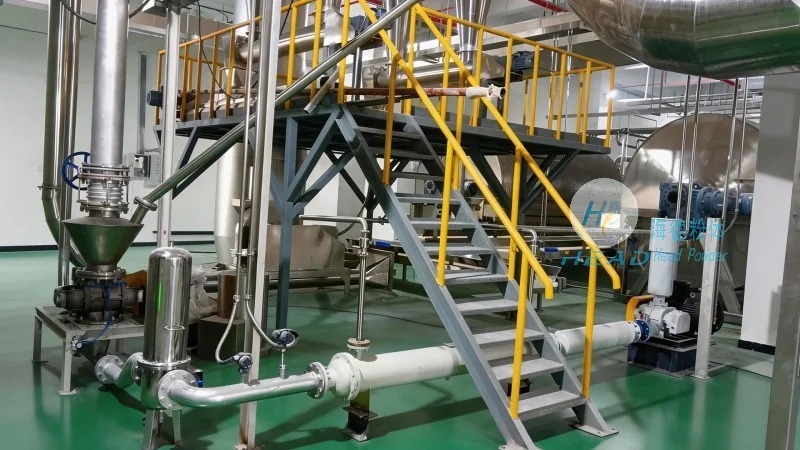
Polyethylene material handling systems are widely used across various industries, including plastics manufacturing, food processing, and chemical production. In the plastics industry, these systems are vital for transporting raw polyethylene pellets from storage to extrusion or molding machines. The efficiency of the material handling process directly impacts production rates and product quality. In food processing, specialized polyethylene handling systems ensure that food-grade polyethylene products are handled safely and hygienically, meeting regulatory standards. Chemical industries also benefit from these systems, as they can handle polyethylene materials that may be exposed to various chemicals or environmental conditions. The versatility of polyethylene material handling systems makes them adaptable to a wide range of industrial needs, from small-scale operations to large-scale manufacturing facilities.

When selecting a polyethylene material handling system, several factors must be considered to ensure it meets the specific requirements of the application. First, the type of polyethylene material being handled is crucial. Different grades of polyethylene have varying properties, such as density and melt flow index, which affect how the material behaves in the system. For example, low-density polyethylene (LDPE) may require different handling parameters compared to high-density polyethylene (HDPE). Second, the volume and frequency of material transport are important considerations. Systems designed for high-volume, continuous operation differ from those used for intermittent or low-volume applications. Third, space constraints and environmental factors play a role in system selection. Outdoor installations may require weather-resistant components, while indoor systems need to fit within existing facility layouts. Fourth, budget and maintenance costs are key factors. While initial investment may vary, long-term operational costs and maintenance requirements should be evaluated to ensure the system provides the best return on investment. Finally, regulatory compliance is essential, especially in industries like food and pharmaceuticals, where strict standards govern material handling practices.
Polyethylene material handling systems are essential components of modern industrial operations, providing efficient and reliable transport of polyethylene materials. The design principles behind these systems focus on durability, adaptability, and safety, ensuring they can meet the demands of various applications. By understanding the core concepts and key considerations in system selection, industries can choose the most suitable polyethylene material handling solution to enhance productivity and operational efficiency. As technology advances, these systems continue to evolve, incorporating new materials and design innovations to further improve performance and reduce costs. The expertise of companies like Shandong HeadPowder Engineering Co., Ltd. in designing and implementing such systems ensures that industries can achieve optimal material handling solutions tailored to their specific needs.

 Shandong Headpowder Engineering Co., Ltd.
 156-6277-7102(Manager Zhang)
  0531-83386006
  Zhangqiu District, Jinan City, Shandong Province, China
telephone
WeChatconsult
top