

Desulfurization Gypsum Pneumatic Conveying Equipment: What It Is and Its Design Principles
Desulfurization gypsum, a byproduct of flue gas desulfurization processes in power plants and industrial facilities, is a valuable material used in construction, agriculture, and other industries. The efficient handling and transportation of this material are crucial for optimizing production lines and ensuring environmental compliance. This article explores the desulfurization gypsum pneumatic conveying equipment, detailing its functions, design principles, and the technical considerations that make it an effective solution for material transport in industrial settings.
Understanding Desulfurization Gypsum and Its Handling Requirements
Desulfurization gypsum, also known as FGD gypsum, is produced when flue gases from coal-fired power plants are treated with limestone or lime to remove sulfur dioxide. This process generates a fine, dry powder that is typically stored and transported to various end-users. The material's characteristics—such as its low bulk density, hygroscopic nature, and fine particle size—pose unique challenges for traditional bulk material handling methods. Conventional methods like belt conveyors or screw conveyors may struggle with dust generation, material segregation, and the risk of clogging, especially when dealing with gypsum's fine particles. Pneumatic conveying systems offer a more efficient and reliable solution by using air to transport the material through pipelines, minimizing dust exposure and ensuring consistent flow.
Introduction to Pneumatic Conveying Systems for Desulfurization Gypsum
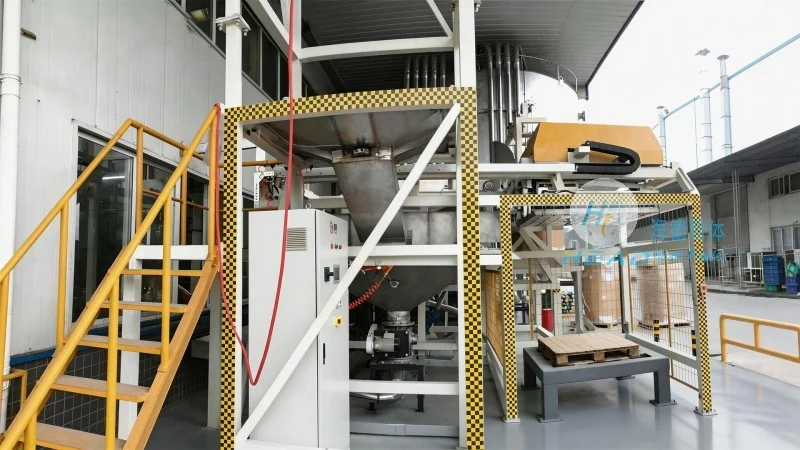
Pneumatic conveying equipment is a type of bulk material handling system that uses compressed air or other gases to move powders and granules through a network of pipes. For desulfurization gypsum, this technology is particularly advantageous due to the material's sensitivity to moisture and its tendency to clump. The system typically consists of a feeding hopper, a blower or compressor to generate airflow, a pipeline network, and a discharge point. The key components work together to create a pressure or vacuum environment that propels the gypsum particles through the system. There are two main types of pneumatic conveying systems: pressure systems (where air is introduced at the discharge end) and vacuum systems (where air is drawn from the intake end). Each type has its own advantages and is selected based on the application's specific requirements, such as the distance to be covered, the volume of material to be transported, and the need for dust control.
Design Principles of Desulfurization Gypsum Pneumatic Conveying Equipment
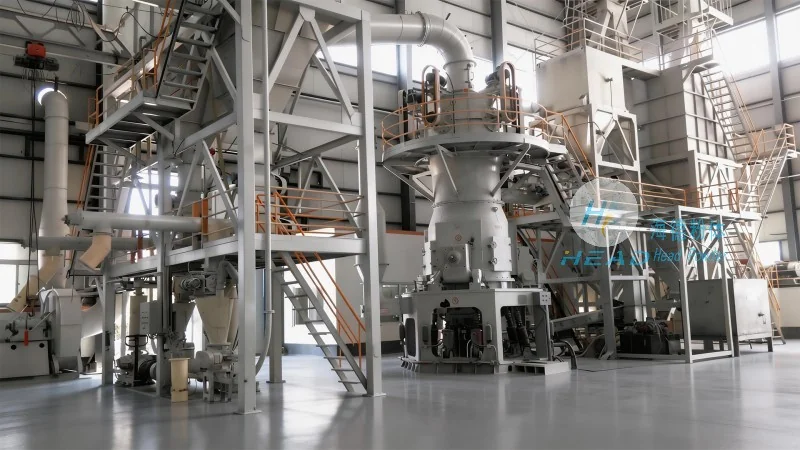
The design of desulfurization gypsum pneumatic conveying equipment is guided by several critical principles to ensure optimal performance, efficiency, and durability. The first principle is the selection of appropriate air velocity and pressure. The air velocity must be high enough to prevent material settling or clogging in the pipeline but low enough to avoid excessive wear on the system components. For desulfurization gypsum, a typical operating air velocity ranges from 20 to 30 meters per second, depending on the particle size and moisture content. The pressure system operates at pressures between 0.5 to 1.5 bar, while vacuum systems use negative pressures of up to -0.8 bar. The second principle is the proper sizing of the pipeline and components. The pipeline diameter is determined by the material's flow rate and the required air velocity. Larger diameters reduce friction losses and improve flow, but they also increase system costs. Components such as elbows, bends, and expansion joints are designed to minimize pressure drop and prevent material accumulation, which could lead to blockages. The third principle is the incorporation of dust control measures. Desulfurization gypsum is a fine powder that can easily generate dust, which poses health and safety risks. The system includes features like cyclone separators, filters, and dust collection systems to capture and remove airborne particles, ensuring compliance with environmental regulations and protecting personnel.
Key Features and Technical Advantages of the Equipment
The desulfurization gypsum pneumatic conveying equipment from Shandong HeadPowder Engineering Co., Ltd. incorporates several key features that enhance its performance and reliability. One of the primary advantages is its ability to handle the hygroscopic nature of gypsum without material clumping or degradation. The system uses a controlled airflow and temperature to maintain the material's dryness, preventing caking that could cause blockages. Another advantage is the reduced risk of dust exposure compared to traditional handling methods. The enclosed pipeline system and integrated dust collection ensure that the material is transported safely and without contaminating the environment. The equipment also offers flexibility in terms of layout, as the pipeline network can be customized to fit the specific layout of a plant or facility. This allows for efficient use of space and easy integration with existing production lines. Additionally, the system is designed for low maintenance, with components such as blower motors and pipeline fittings made from corrosion-resistant materials to withstand the chemical properties of gypsum and the effects of moisture.
Applications and Benefits in Industrial Settings
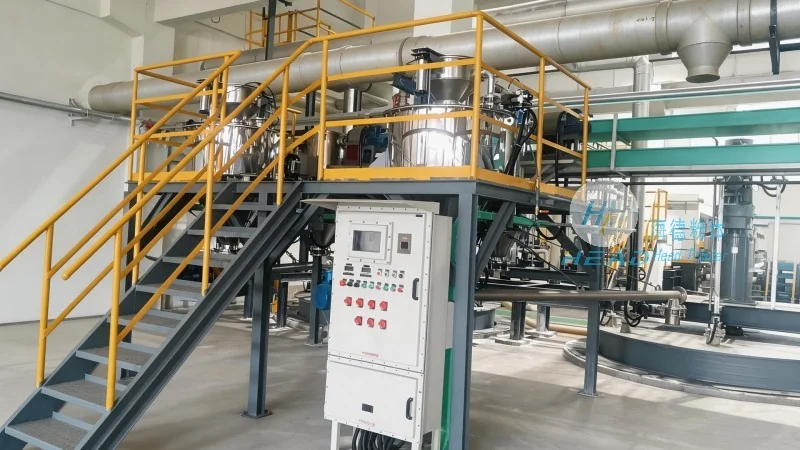
The desulfurization gypsum pneumatic conveying equipment is widely used in various industrial applications where efficient handling of fine powders is required. In power plants, the equipment is used to transport gypsum from the desulfurization unit to storage silos or to end-users such as cement manufacturers or agricultural producers. In industrial facilities that use gypsum as a raw material, the system ensures a consistent supply of material, reducing downtime and improving production efficiency. The benefits of using this equipment include improved safety due to reduced dust exposure, increased efficiency through optimized material flow, and compliance with environmental regulations. The system also reduces the need for manual handling, which minimizes the risk of injury and improves workplace conditions. Furthermore, the equipment's ability to handle large volumes of material at a time makes it suitable for high-throughput applications, where traditional methods may struggle to keep up with demand.
Conclusion and Company Overview
Desulfurization gypsum pneumatic conveying equipment is a critical component in the efficient handling and transportation of this valuable industrial material. The design principles, technical features, and applications of such systems ensure that they meet the demands of modern industrial operations. Shandong HeadPowder Engineering Co., Ltd., based in China, specializes in the design, manufacturing, and supply of high-quality pneumatic conveying equipment tailored to the needs of various industries. With a focus on innovation and customer satisfaction, the company provides solutions that enhance productivity, safety, and environmental compliance. The equipment from HeadPowder is engineered to handle the unique challenges of desulfurization gypsum, offering reliable performance and long-term durability. By investing in such equipment, industrial facilities can optimize their material handling processes, reduce operational costs, and contribute to a more sustainable and efficient operation.