

What is a Cement Dry Ash Material Pneumatic Conveying Equipment? And What Are Its Design Principles?
For industrial applications, the efficient and reliable transportation of bulk materials like cement dry ash is crucial. A specialized piece of equipment known as a cement dry ash material pneumatic conveying system plays a vital role in this process. This article aims to explore what such a system is and delve into its fundamental design principles, providing a comprehensive understanding of its functionality and importance in material handling operations.
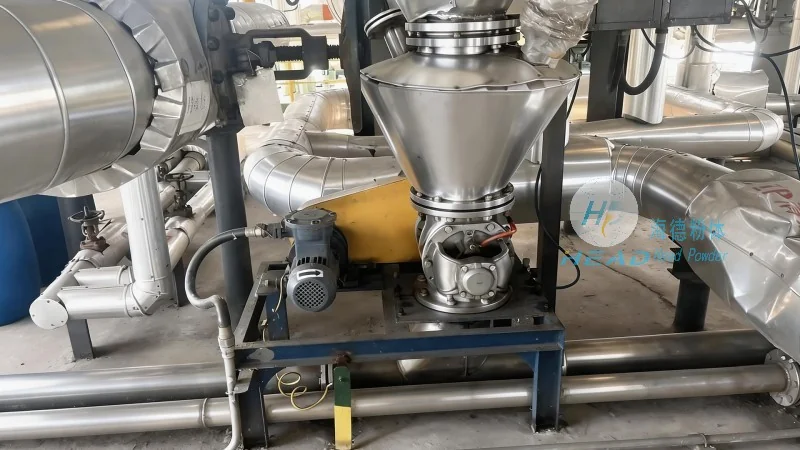
Understanding the Cement Dry Ash Material Pneumatic Conveying Equipment
A cement dry ash material pneumatic conveying equipment is a system designed to transport dry bulk materials, particularly cement and ash, through a pipeline using a gas stream, typically air or other gases. Unlike traditional mechanical conveyors, this equipment utilizes the force of compressed air to move materials from one location to another. The system is widely used in various industries, including cement production, power generation, and waste management, due to its ability to handle fine, dusty materials with minimal wear and tear on the equipment.
Key Components of the Pneumatic Conveying System
The cement dry ash material pneumatic conveying equipment consists of several key components that work together to ensure efficient material transport. These components include a material feeder, a conveying line (pipeline), a blower or compressor to generate the air pressure, a control system to regulate the flow, and a discharge device at the receiving end. The material feeder is responsible for feeding the dry ash or cement into the conveying line, while the blower provides the necessary air pressure to move the material along the pipeline. The control system ensures that the flow rate and pressure are maintained at optimal levels, preventing blockages or excessive pressure drops. The discharge device then collects the material at the destination, completing the conveying process.
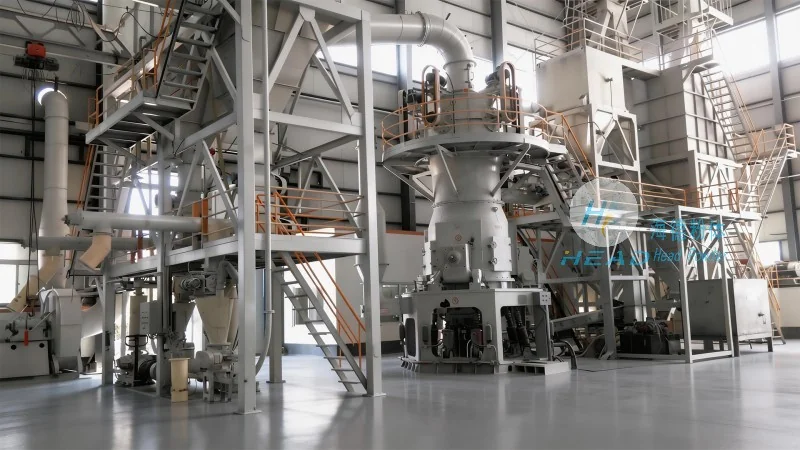
The Design Principles Behind the Equipment
The design of a cement dry ash material pneumatic conveying system is based on several key principles to ensure its effectiveness and reliability. One of the primary principles is the use of appropriate air velocity to maintain the material in suspension within the pipeline. The air velocity must be sufficient to keep the dry ash or cement particles airborne but not so high as to cause excessive wear on the pipeline or equipment. The system's design also considers the material's properties, such as particle size, density, and moisture content, as these factors influence the required air velocity and pressure. Additionally, the pipeline layout is carefully designed to minimize pressure losses and ensure smooth material flow, with appropriate bends, valves, and filters to prevent blockages and maintain system efficiency.
Advantages of Using Pneumatic Conveying for Cement Dry Ash
Implementing a cement dry ash material pneumatic conveying equipment offers several advantages over traditional mechanical conveyors. One of the main benefits is the ability to handle fine, dusty materials without the need for additional dust suppression systems, as the air stream itself helps contain the dust. The system also allows for flexible pipeline layouts, enabling material to be transported over long distances or around obstacles with minimal modifications. Furthermore, pneumatic conveying systems are generally more hygienic and easier to clean compared to mechanical systems, making them suitable for applications where material contamination is a concern. The equipment is also relatively low maintenance, as there are fewer moving parts compared to mechanical conveyors, reducing downtime and operational costs.
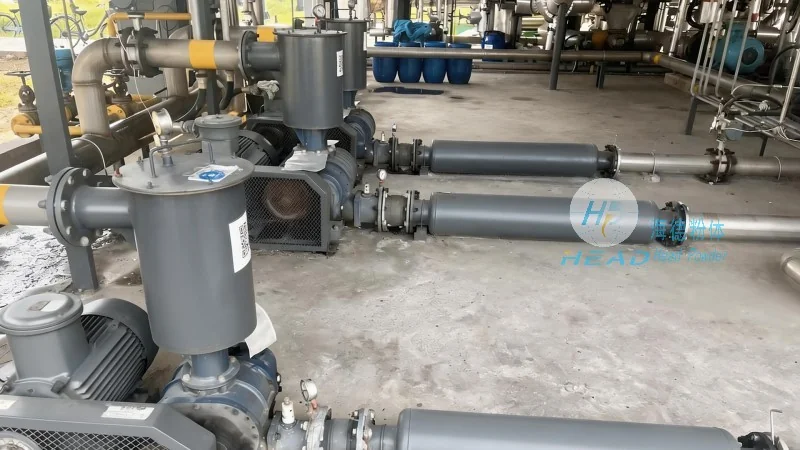
Applications in Industrial Settings
The cement dry ash material pneumatic conveying equipment is widely used in various industrial settings where the transportation of dry bulk materials is required. In the cement industry, for example, this equipment is used to transport raw materials like limestone and ash to the production facilities, as well as to transport finished cement products to storage or shipping areas. In power generation plants, the system is used to transport fly ash from the boiler to storage silos or for use in other applications. Additionally, in waste management facilities, the equipment can be used to transport ash from incinerators to disposal sites or for recycling purposes. The versatility of the system makes it suitable for a wide range of applications, making it a valuable asset in industrial material handling operations.
Conclusion
In conclusion, a cement dry ash material pneumatic conveying equipment is a sophisticated system designed to efficiently transport dry bulk materials using compressed air. The design principles behind this equipment focus on maintaining material suspension, optimizing air velocity and pressure, and ensuring smooth material flow through the pipeline. The system offers several advantages over traditional mechanical conveyors, including flexibility, low maintenance, and the ability to handle fine, dusty materials. As a result, it plays a crucial role in various industrial applications, contributing to the efficient and reliable handling of cement and ash materials. For companies in need of such equipment, understanding its design and functionality is essential to ensure optimal performance and operational efficiency.