With more than 10‑year industry experience, Shandong Headpowder delivers full‑service pneumatic‑conveying systems and blowers, undertaking nationwide turn‑key powder‑handling projects.
Bulk bag discharge material handling is a specialized process used in industrial settings to efficiently transfer bulk materials from flexible containers, commonly known as super sacks or bulk bags, into processing equipment or storage systems. This method is widely adopted across various industries due to its ability to handle large volumes of materials with minimal labor and operational complexity. Understanding the fundamentals of bulk bag discharge systems and their design principles is crucial for optimizing material flow and ensuring operational efficiency in industrial operations.
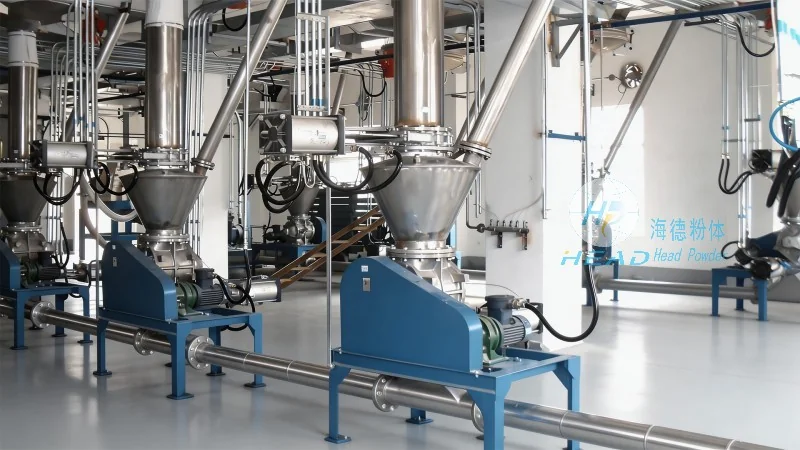
At Shandong HeadPowder Engineering Co., Ltd., we specialize in providing advanced bulk bag discharge solutions tailored to meet the diverse needs of industrial clients. Our expertise lies in designing and manufacturing systems that facilitate seamless material transfer from bulk bags, which are commonly used for transporting dry bulk goods such as powders, granules, and other bulk materials. The bulk bag discharge process involves several key components, including the bulk bag itself, a discharge valve, a hopper or receiving container, and a conveyor or feeding mechanism. Each component plays a critical role in ensuring the safe and efficient transfer of materials from the bag to the downstream process.
Our bulk bag discharge systems are engineered to handle a wide range of bulk materials, including chemicals, food products, and industrial raw materials. The system typically consists of a vertical or horizontal bulk bag holder, a discharge valve that opens to allow material flow, and a hopper that collects the discharged material. The design of the system ensures that the bulk bag remains stable during the discharge process, preventing spillage or material loss. The discharge valve is often equipped with a sealing mechanism to maintain containment and prevent dust or contamination during handling.
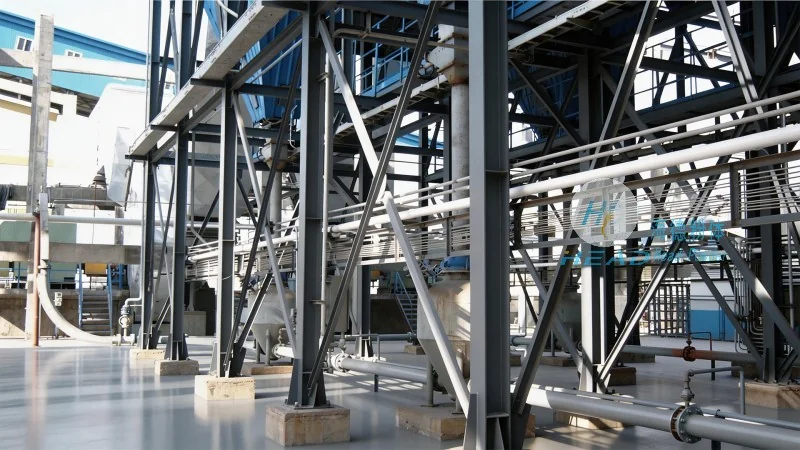
The design of a bulk bag discharge system is based on several key principles to ensure optimal performance and safety. First, the system must be designed to handle the specific characteristics of the bulk material, such as its density, flowability, and potential for dust generation. The discharge valve is typically selected based on the material's flow properties, with options including bottom discharge, top discharge, or side discharge valves. The hopper or receiving container is designed to match the material's flow characteristics, often incorporating features like a conical or rectangular shape to promote smooth material flow. Additionally, the system is engineered to minimize material degradation and contamination, which is critical for industries where product purity is essential.
Several critical components contribute to the effectiveness of a bulk bag discharge system. The bulk bag holder, which can be a vertical frame or a horizontal rack, secures the bag in place and supports it during the discharge process. The discharge valve, often a bottom-discharge type, is designed to open and close smoothly, allowing controlled material flow. The hopper or receiving container is positioned below the valve to collect the discharged material and may include features like a level indicator or a discharge spout for further processing. In some systems, a conveyor or feeding mechanism is integrated to transport the material from the hopper to the next stage of the process, such as a mixer or a storage silo.
Bulk bag discharge systems are widely used across various industries, including pharmaceuticals, food processing, chemicals, and construction. In the pharmaceutical industry, for example, these systems are used to handle raw materials and finished products with strict purity requirements, ensuring that the material is transferred without contamination. In the food industry, bulk bag discharge systems are used to handle ingredients like flour, sugar, and spices, maintaining hygiene and preventing cross-contamination. The construction industry also benefits from bulk bag discharge systems when handling bulk materials like cement, sand, and gravel, which are essential for building projects.
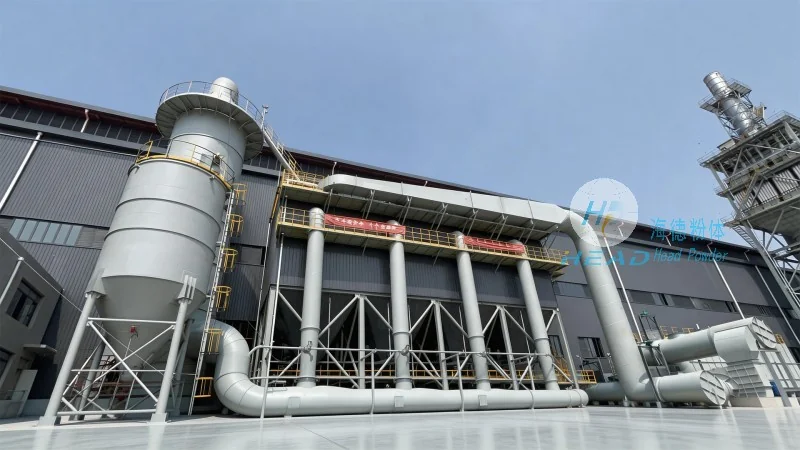
There are several advantages to using bulk bag discharge systems in industrial operations. First, these systems are highly efficient, allowing for the rapid transfer of large volumes of materials from bulk bags. This reduces labor costs and increases production throughput, as the material can be processed more quickly. Second, bulk bag discharge systems are designed to minimize material loss and spillage, which is important for both cost savings and environmental compliance. The sealed discharge process also helps to contain dust and prevent airborne contamination, improving workplace safety. Additionally, the modular design of these systems allows for easy integration with existing processing equipment, making them a flexible solution for various industrial applications.
Understanding the principles and design of bulk bag discharge material handling is essential for optimizing material flow in industrial settings. At Shandong HeadPowder Engineering Co., Ltd., we provide comprehensive solutions that cater to the specific needs of our clients, ensuring that bulk bag discharge systems are efficient, safe, and reliable. By leveraging our expertise in engineering and manufacturing, we help industries improve their material handling processes, reduce costs, and enhance overall operational efficiency. Whether you are in the pharmaceutical, food, chemical, or construction industry, our bulk bag discharge systems offer a reliable and effective solution for handling bulk materials.

 Shandong Headpowder Engineering Co., Ltd.
 156-6277-7102(Manager Zhang)
  0531-83386006
  Zhangqiu District, Jinan City, Shandong Province, China
telephone
WeChatconsult
top