With more than 10‑year industry experience, Shandong Headpowder delivers full‑service pneumatic‑conveying systems and blowers, undertaking nationwide turn‑key powder‑handling projects.
Colored sand is a vital material in numerous industries, including construction, decoration, and manufacturing. The efficient and reliable transportation of colored sand from storage to processing units is crucial for maintaining production efficiency and ensuring product quality. Pneumatic conveying systems have become a preferred solution for handling colored sand due to their ability to transport materials in a dust-free environment, reducing operational hazards and improving overall workflow. This article provides a detailed analysis of colored sand pneumatic conveying systems, focusing on their design, functionality, and applications.
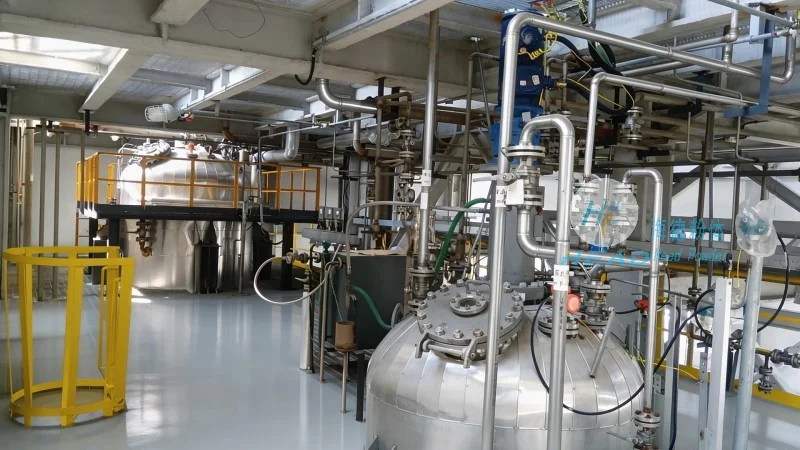
HeadPowder, a professional manufacturer specializing in advanced material handling solutions, is headquartered in Shandong, China. With years of experience in engineering and industrial applications, HeadPowder has developed a reputation for delivering high-quality pneumatic conveying systems tailored to the unique needs of colored sand processing. The company's commitment to innovation and customer satisfaction ensures that each system is designed to meet the highest industry standards, providing durable and efficient solutions for clients worldwide.

Pneumatic conveying systems for colored sand operate by utilizing compressed air to transport material through a network of pipes. The process typically begins with a hopper or silo where colored sand is stored, followed by a feeder that controls the flow of material into the system. The compressed air creates a pressure differential that propels the sand through the pipes, ensuring a continuous and controlled flow. This method eliminates the need for mechanical components like belts or buckets, reducing maintenance requirements and minimizing the risk of material contamination. The system can be either positive pressure or negative pressure, depending on the specific application and material characteristics.
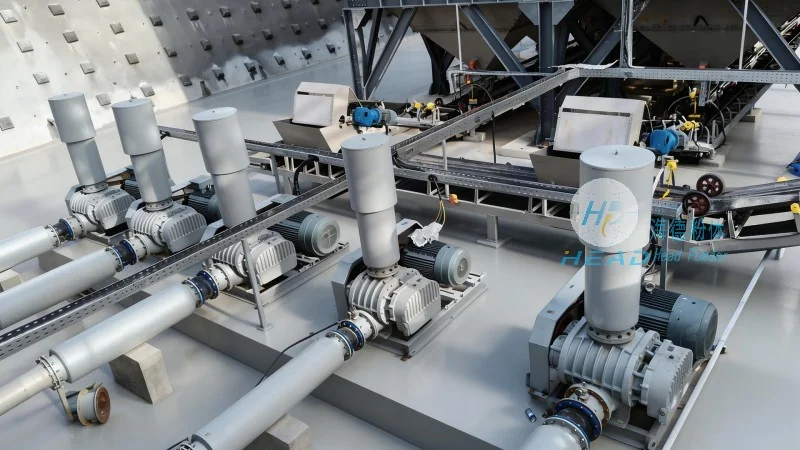
There are several key advantages that make pneumatic conveying systems ideal for colored sand applications. Firstly, they offer a dust-free operation, which is essential for maintaining a safe working environment and preventing material loss. Secondly, these systems provide high efficiency in material transport, with the ability to handle large volumes of colored sand quickly and reliably. Thirdly, the absence of mechanical parts reduces downtime and maintenance costs, leading to lower operational expenses over time. Additionally, pneumatic conveying systems can be designed to handle various types of colored sand, including different particle sizes and compositions, making them versatile for diverse industrial applications. The systems also allow for easy integration with existing production lines, minimizing disruption during installation.
A typical colored sand pneumatic conveying system consists of several essential components that work together to ensure smooth operation. The primary components include a material hopper or silo, which stores the colored sand and provides a consistent feed. A feeder, such as a rotary valve or a screw feeder, regulates the flow rate of the sand into the system. The conveying pipes, often made of stainless steel or other corrosion-resistant materials, transport the material from the feeder to the processing unit. A pressure vessel or receiver is used to collect the material at the end of the system, and a filter or cyclone separates the sand from the air. Finally, a blower or compressor provides the necessary compressed air to drive the conveying process. Each component is carefully selected and designed to ensure optimal performance and durability, with considerations for material compatibility and operational efficiency.
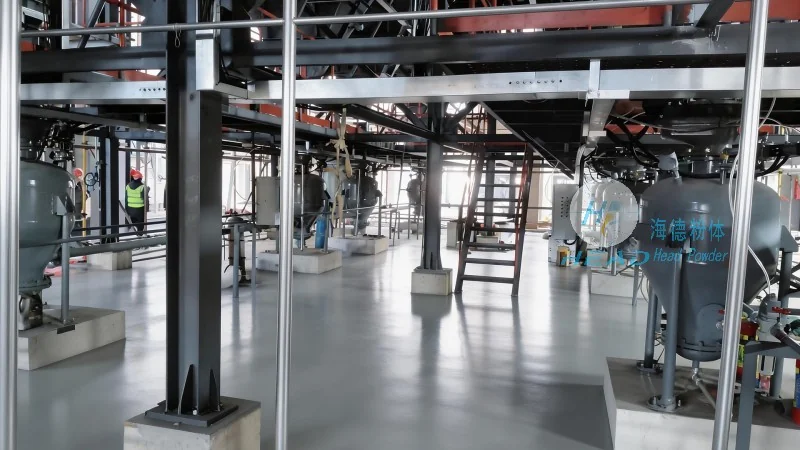
Colored sand pneumatic conveying systems are widely utilized across various industries where colored sand is a critical material. In the construction industry, these systems are used to transport colored sand for decorative concrete, paving, and architectural elements. In the manufacturing sector, they are employed in the production of colored glass, ceramics, and paints, where consistent material handling is vital for product quality. Additionally, in the decoration and art industries, pneumatic conveying systems help in the efficient transport of colored sand for artistic projects and design applications. The versatility of these systems makes them suitable for a wide range of applications, ensuring that colored sand can be handled efficiently and safely in any industrial setting. For example, in the glass manufacturing industry, colored sand is used to create decorative patterns and colors, and pneumatic conveying ensures that the material is delivered to the glass melting furnace without contamination or loss.

 Shandong Headpowder Engineering Co., Ltd.
 156-6277-7102(Manager Zhang)
  0531-83386006
  Zhangqiu District, Jinan City, Shandong Province, China
telephone
WeChatconsult
top