

What is a Ternary Cathode Material Powder Conveying System Equipment? What Are Its Design Principles
For professionals in the battery manufacturing sector, understanding the intricacies of ternary cathode material powder conveying systems is crucial. These specialized equipment are designed to handle the precise and often sensitive transport of materials like lithium nickel manganese cobalt oxide (NMC), which are pivotal in modern lithium-ion batteries. This article delves into the fundamental aspects of such systems, focusing on their design principles and the technical solutions offered by Shandong HeadPowder Engineering Co., Ltd., a leading provider in the field.
Introduction to Ternary Cathode Material Powder Conveying Systems
Ternary cathode materials, typically composed of nickel, manganese, and cobalt, are essential components in high-performance lithium-ion batteries. Their handling requires specialized equipment due to the fine particle size, chemical reactivity, and the need for strict contamination control. The powder conveying system is engineered to ensure efficient, safe, and reliable transport of these materials from storage to processing units. HeadPowder, a prominent company based in Shandong, China, specializes in developing and manufacturing such systems tailored to meet the stringent demands of the battery industry.
Key Components and Their Functional Roles
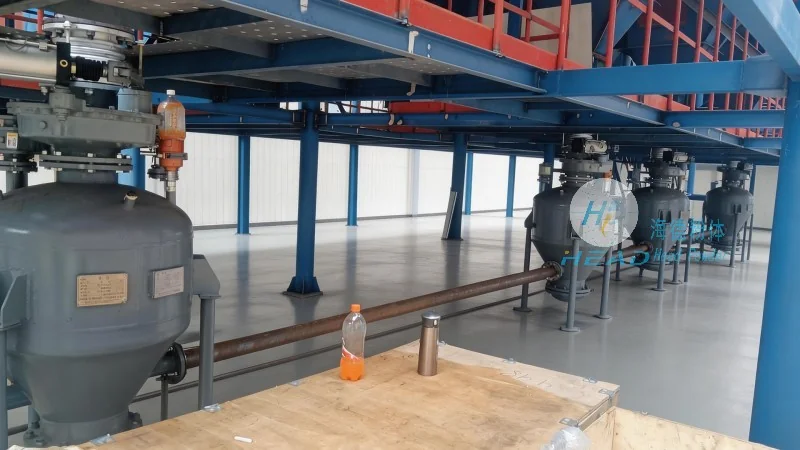
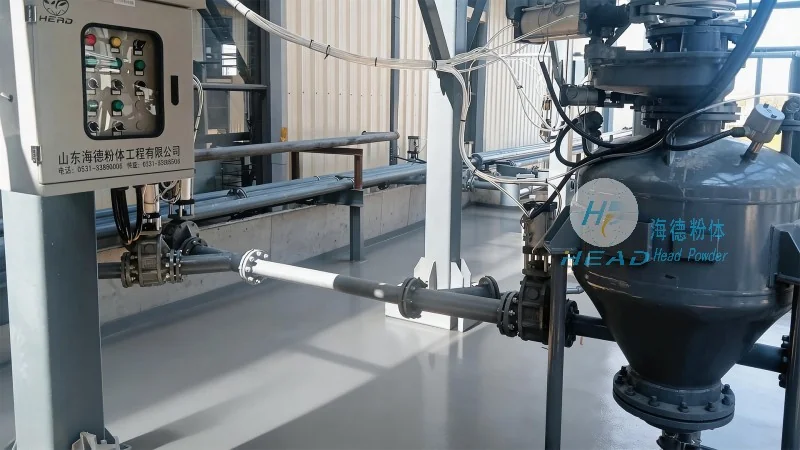
The ternary cathode material powder conveying system comprises several critical components, each playing a vital role in the overall operation. The primary elements include a hopper or feed bin for material storage, a rotary valve or feeder for controlled discharge, a conveying mechanism (such as pneumatic or mechanical systems), and a control unit for process regulation. The hopper is designed with smooth, non-stick surfaces to prevent material buildup and ensure consistent flow. The feeder, often a rotary valve, regulates the flow rate to match the processing requirements, preventing overloading or underflow. The conveying mechanism, whether pneumatic (using air pressure) or mechanical (like screw conveyors or belt systems), transports the powder through pipelines to the target location. The control unit integrates sensors and actuators to monitor and adjust parameters like pressure, flow rate, and temperature, ensuring optimal performance and safety.
Design Principles and Technical Considerations
The design of a ternary cathode material powder conveying system adheres to several key principles to ensure efficiency, safety, and durability. First, **sealability and dust control** are paramount. The system must prevent dust leakage and external contamination, which is critical for maintaining material purity and worker safety. This is achieved through robust sealing mechanisms at all joints and the use of dust collection systems. Second, **anti-static measures** are incorporated to prevent electrostatic discharge, which can be hazardous with fine powders and may affect material properties. Conductive materials and grounding systems are employed to dissipate static electricity. Third, **material compatibility** is essential. The components in contact with the powder are made from materials that do not react with or contaminate the cathode material, such as stainless steel or specialized plastics. Fourth, **efficiency and energy conservation** are considered, with optimized conveying speeds and minimal pressure drops to reduce energy consumption. Finally, **modularity and scalability** allow for easy integration into existing production lines and future expansion as production needs grow.
Application and Industry Impact
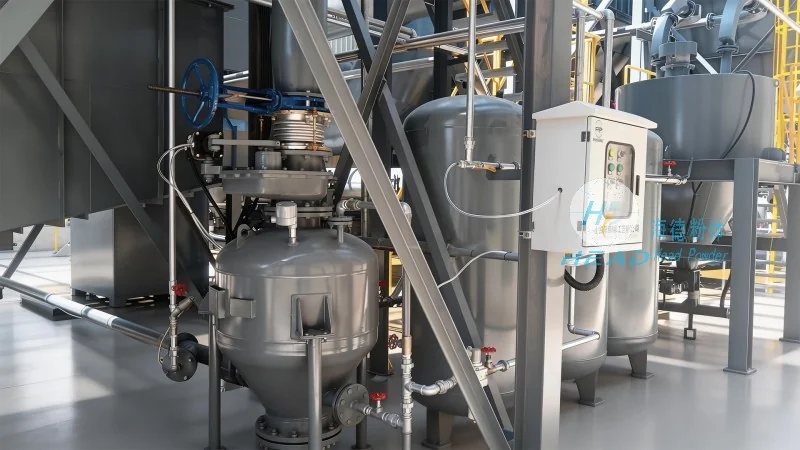
The ternary cathode material powder conveying system is integral to the battery manufacturing process, particularly in the preparation and mixing stages of cathode materials. By ensuring precise and consistent delivery of the powder, the system contributes to the uniformity and quality of the final battery product. This, in turn, enhances the performance, safety, and longevity of lithium-ion batteries used in electric vehicles, consumer electronics, and energy storage systems. HeadPowder’s expertise in designing these systems has enabled them to serve a wide range of clients, from battery manufacturers to research institutions, by providing customized solutions that meet specific operational requirements. With a strong presence in Shandong, China, HeadPowder leverages local manufacturing capabilities and industry knowledge to deliver high-quality equipment that supports the growth of the battery industry.
Conclusion
In summary, the ternary cathode material powder conveying system equipment is a sophisticated piece of machinery designed to handle the delicate and critical transport of cathode materials. Its design principles focus on safety, efficiency, and material integrity, addressing the unique challenges posed by ternary cathode powders. Companies like Shandong HeadPowder Engineering Co., Ltd. play a vital role in advancing this technology, providing reliable solutions that support the production of high-performance batteries. As the demand for lithium-ion batteries continues to grow, the importance of such systems in ensuring consistent and safe material handling cannot be overstated.