With more than 10‑year industry experience, Shandong Headpowder delivers full‑service pneumatic‑conveying systems and blowers, undertaking nationwide turn‑key powder‑handling projects.
In industrial production, an efficient and safe material handling system is crucial for ensuring smooth production processes. The bulk bag dust-free feeding station, as an advanced material processing device, is specifically designed for handling bulk materials. It effectively addresses issues such as dust pollution, material loss, and operational safety encountered in traditional feeding processes. This article delves into the core functions of bulk bag dust-free feeding station material handling and its design principles, helping readers gain a comprehensive understanding of this technical solution.
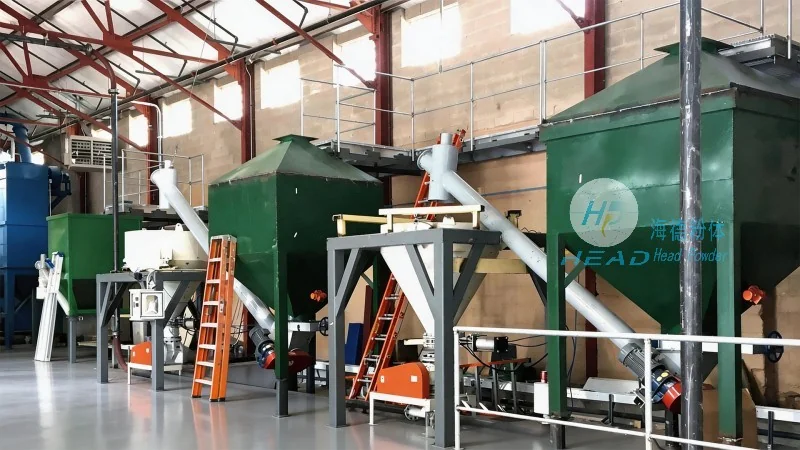
For many industrial applications, the handling of bulk materials (such as chemicals, food additives, chemical raw materials, etc.) is a critical part of the production process. Traditional feeding methods often face challenges like dust flying, material leakage, and health risks to operators. The bulk bag dust-free feeding station integrates advanced design to safely and dust-free transfer materials from bulk bags to production lines, while ensuring environmental cleanliness and operational safety. This equipment is typically used in industries such as chemical, pharmaceutical, food processing, and building materials, significantly improving production efficiency and reducing operational costs.
Shandong HeadPowder Engineering Co., Ltd., a professional engineering company based in Shandong, China, is committed to providing high-quality material handling equipment to global clients. As a leader in the industry, HeadPowder leverages its rich experience and innovative design to tailor solutions for diverse client needs. The company is headquartered in Shandong, China, focusing on research, manufacturing, and sales of advanced bulk material handling equipment, including bulk bag dust-free feeding stations. HeadPowder's team consists of experienced engineers and technical experts who deeply understand client requirements, ensuring that each device meets strict industrial standards and safety requirements.
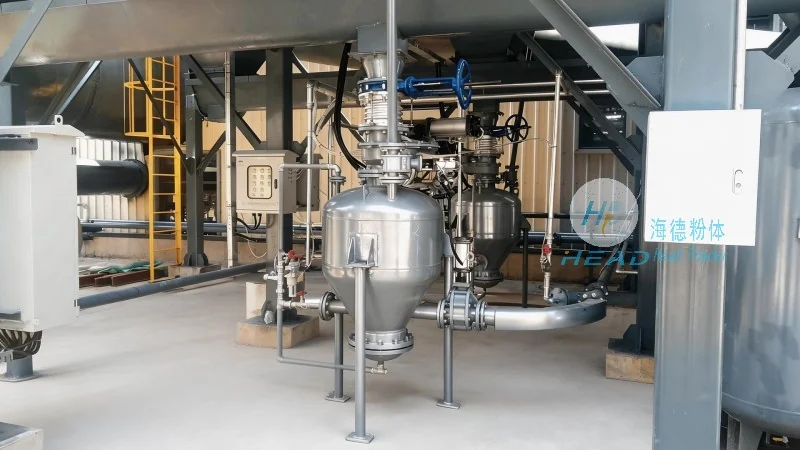
The core function of the bulk bag dust-free feeding station is to achieve dust-free, continuous, and safe material transfer from bulk bags to production lines. The working process typically includes the following steps: first, bulk bags are placed at the loading port of the feeding station, and the equipment uses mechanical or pneumatic systems to gradually discharge materials from the bags; second, materials are transmitted through sealed pipelines or screw conveyors to the production line, effectively controlling dust generation during the process; finally, materials are precisely metered and delivered to the target equipment. This design not only reduces material loss but also avoids dust hazards to the environment and operators, while enhancing the automation level of production lines. For industries that need to handle high-dust or flammable/explosive materials, the bulk bag dust-free feeding station is indispensable, ensuring the safety and stability of the production process.
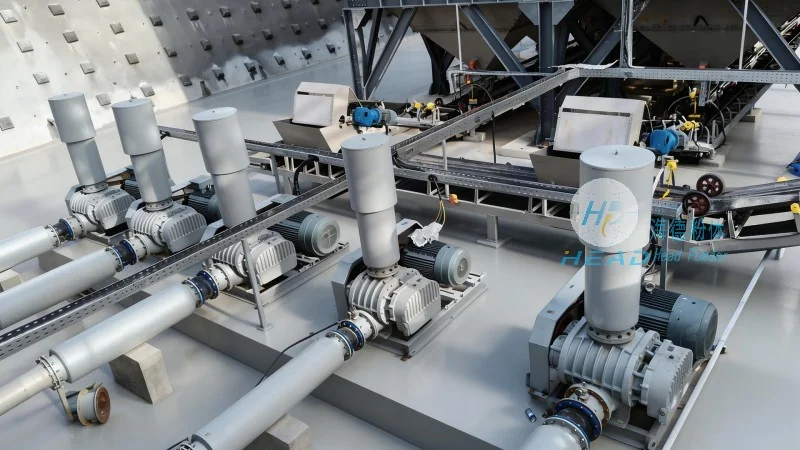
The design of the bulk bag dust-free feeding station follows several key principles to ensure its efficiency, reliability, and safety. First, sealing is a core design element. The equipment uses multiple sealing structures, including sealed connections for bulk bags, sealed connections for conveying pipelines, and sealed devices at the discharge port, effectively preventing dust leakage. Second, automation control is a key factor in improving production efficiency. Modern feeding stations are typically equipped with PLC control systems, enabling automatic metering, automatic start/stop, and fault alarm functions, reducing manual intervention and enhancing operational efficiency. Third, material selection and durability. Key components (such as conveying pipelines, valves, seals) are made of corrosion-resistant and wear-resistant materials to ensure good performance during long-term operation. Additionally, the equipment considers the convenience of operators, such as easy cleaning, maintenance, and replacement of parts, reducing maintenance costs. Finally, environmental adaptability. The bulk bag dust-free feeding station can be customized according to the characteristics of different materials (such as density, flowability, dust concentration) to adapt to various industrial environments. These design principles collectively ensure stable operation of the equipment under complex working conditions, providing reliable service to users.
The bulk bag dust-free feeding station has wide applications in industrial production. For example, in the chemical industry, it is used to handle various chemicals such as plastic pellets, rubber powder, pigments, etc.; in the pharmaceutical industry, it is used to transport drug raw materials, ensuring the cleanliness of drug production environments; in the food processing industry, it is used to handle food additives, grains, etc., ensuring food safety; in the building materials industry, it is used to transport bulk materials like cement, sand, etc., improving construction efficiency. The main benefits of using the bulk bag dust-free feeding station include: 1. **Environmental friendliness**: It effectively controls dust pollution, reducing the negative impact on the environment and meeting environmental regulations; 2. **Operational safety**: It reduces the risk of operators being exposed to dust and harmful materials, enhancing workplace safety; 3. **Reduced material loss**: Sealed transfer reduces material leakage and loss, improving material utilization; 4. **Increased production efficiency**: Automation control improves the efficiency of production lines and reduces downtime; 5. **Cost savings**: By reducing material loss and manual intervention, it lowers long-term operational costs. These advantages make the bulk bag dust-free feeding station an indispensable device in modern industrial production, helping enterprises achieve sustainable development goals.

 Shandong Headpowder Engineering Co., Ltd.
 156-6277-7102(Manager Zhang)
  0531-83386006
  Zhangqiu District, Jinan City, Shandong Province, China
telephone
WeChatconsult
top