With more than 10‑year industry experience, Shandong Headpowder delivers full‑service pneumatic‑conveying systems and blowers, undertaking nationwide turn‑key powder‑handling projects.
Phosphorus pentachloride (PCl₅) is a highly reactive and corrosive chemical compound widely used in industrial applications such as chemical synthesis, pharmaceutical manufacturing, and organic chemistry. Handling this hazardous powder requires specialized equipment to ensure safety, efficiency, and compliance with industrial standards. The phosphorus pentachloride powder conveying machine is a critical piece of machinery designed to transport this substance safely and effectively. This article explores the concept of a phosphorus pentachloride powder conveying machine and delves into its fundamental design principles.
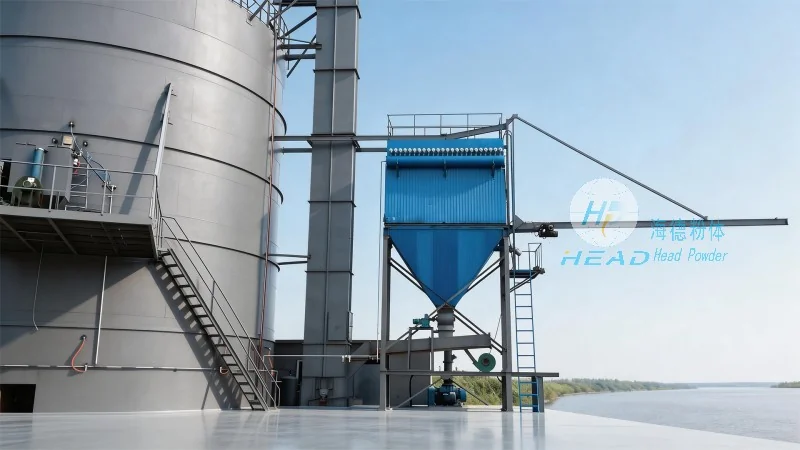
At its core, a phosphorus pentachloride powder conveying machine is a system engineered to move PCl₅ powder from one location to another within a processing facility. Given the chemical's reactivity and potential for creating hazardous fumes or dust, the design of such a machine must prioritize containment, sealing, and material compatibility. The machine is typically integrated into a larger industrial system, working in conjunction with other equipment like reactors, storage tanks, and processing units. The primary goal is to minimize exposure risks to operators while ensuring the material is transferred with minimal loss or contamination.
The design of a phosphorus pentachloride powder conveying machine is guided by several critical principles to address the unique challenges posed by PCl₅. First, the machine must be constructed from materials that are chemically resistant to PCl₅ and its byproducts. Common materials include high-grade stainless steel, Hastelloy, or specialized polymers that can withstand corrosion and chemical attack. This material selection is crucial for maintaining the integrity of the machine over time and preventing leaks or contamination.
Second, the machine incorporates robust sealing mechanisms to prevent the escape of PCl₅ dust or vapors. These seals are typically double or multi-layered, with gaskets and O-rings made from compatible materials like PTFE or silicone. The design also includes pressure relief valves and venting systems that are equipped with activated carbon filters to capture any released gases, ensuring environmental safety and regulatory compliance.
Third, the conveying mechanism itself is designed to minimize friction and material degradation. For example, screw conveyors or pneumatic systems are often used, but with modifications to handle the corrosive nature of PCl₅. Screw conveyors may feature self-cleaning designs or non-stick coatings to prevent powder buildup and ensure smooth operation. Pneumatic systems use filtered air to transport the powder, with the air being treated to remove any PCl₅ particles before release.

Fourth, the machine is equipped with safety features to protect operators and the environment. These may include interlocks that prevent operation when doors are open, emergency stop buttons, and monitoring systems that track pressure, temperature, and flow rates. The design also considers the need for easy maintenance and cleaning, with components that can be disassembled and cleaned without exposing personnel to the chemical.
A typical phosphorus pentachloride powder conveying machine consists of several key components, each playing a vital role in the overall system. The main components include a hopper for material storage, a conveying unit (such as a screw or pneumatic system), a control panel for operation, and a discharge system for delivering the powder to its destination. The hopper is designed with a sloped bottom to facilitate material flow and may include a agitator or vibratory feeder to prevent clogging.
The conveying unit is the heart of the machine, responsible for moving the powder through the system. For screw conveyors, a rotating screw (or auger) pushes the material forward, with the speed and pitch of the screw adjusted to match the material's characteristics. The screw is enclosed in a tube or housing to contain the powder and prevent leakage. For pneumatic systems, compressed air is used to create a flow of air and powder through a pipeline, with the air velocity controlled to prevent material degradation or blockages.
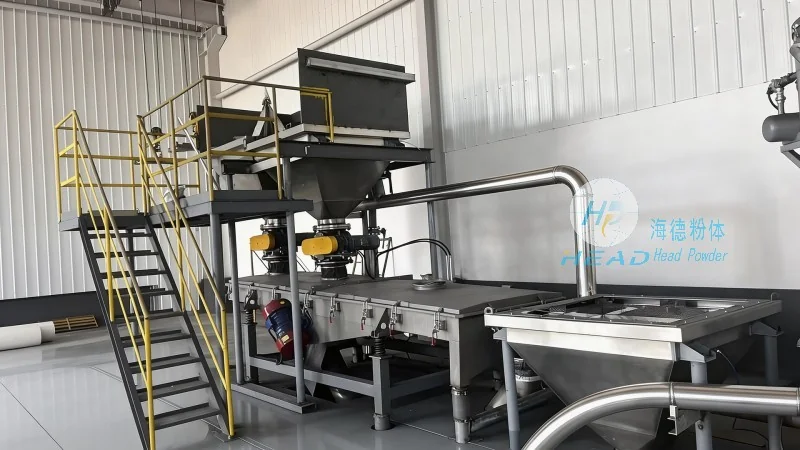
The control panel allows operators to monitor and adjust the machine's operation. It typically includes displays for pressure, temperature, and flow rate, as well as controls for starting and stopping the conveyor, adjusting speed, and activating safety features. The discharge system delivers the powder to the next stage of the process, such as a reactor or storage tank, with the design ensuring that the powder is transferred smoothly and without spillage.
The phosphorus pentachloride powder conveying machine is used in various industrial applications where PCl₅ is a key ingredient. These include the production of pesticides, pharmaceuticals, and specialty chemicals. The machine is also used in research and development laboratories where small-scale PCl₅ handling is required. In all cases, the design of the machine must adhere to strict safety guidelines to prevent accidents and protect the environment.
When operating the machine, it is essential to follow proper safety protocols. This includes wearing appropriate personal protective equipment (PPE) such as gloves, goggles, and respirators, as well as ensuring that the machine is properly maintained and inspected regularly. The machine should be stored in a well-ventilated area away from sources of ignition, and any spills or leaks should be cleaned up immediately using appropriate absorbents and disposal methods.
Additionally, the machine must be designed to comply with local and international regulations regarding the handling of hazardous chemicals. This includes meeting standards for containment, ventilation, and waste disposal. The manufacturer, Shandong HeadPowder Engineering Co., Ltd., based in China, specializes in designing and manufacturing such equipment, ensuring that their products meet the highest safety and performance standards.

 Shandong Headpowder Engineering Co., Ltd.
 156-6277-7102(Manager Zhang)
  0531-83386006
  Zhangqiu District, Jinan City, Shandong Province, China
telephone
WeChatconsult
top