With more than 10‑year industry experience, Shandong Headpowder delivers full‑service pneumatic‑conveying systems and blowers, undertaking nationwide turn‑key powder‑handling projects.
For industries dealing with mineral powders, efficient and reliable material handling systems are crucial for operational efficiency and safety. A mineral powder material handling system is a specialized setup designed to transport, store, and manage bulk mineral powders from one location to another within a processing facility or across different stages of production. These systems are engineered to handle the unique challenges posed by mineral powders, such as dust generation, flow characteristics, and material handling requirements. Understanding the components and design principles of such systems is essential for optimizing performance and ensuring compliance with safety standards.
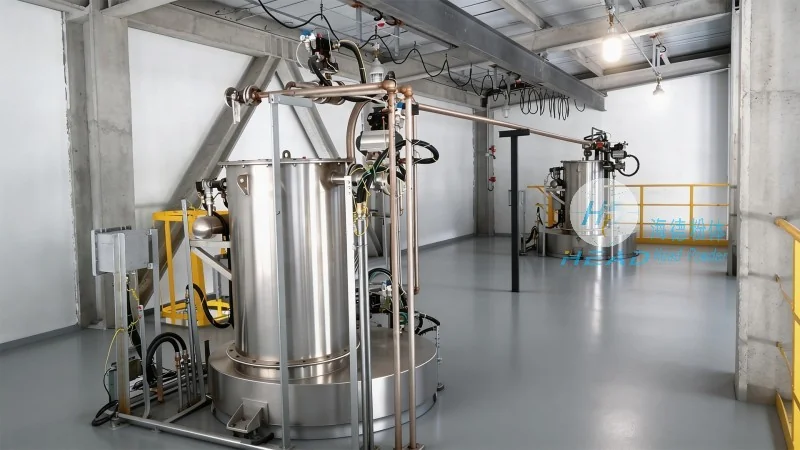
The core components of a mineral powder material handling system typically include feeders, conveyors, storage silos, and control systems. Feeders are responsible for regulating the flow of material from the source to the conveyor system, ensuring a consistent and controlled feed rate. Common types of feeders used in mineral powder handling include rotary valves, vibratory feeders, and belt feeders, each suited to different material properties and flow rates. Conveyors, such as belt conveyors or pneumatic conveying systems, transport the mineral powders through the system. Belt conveyors are widely used for horizontal and inclined transport, while pneumatic conveying systems use air pressure to move powders in a closed pipeline, offering advantages in dust control and flexibility. Storage silos or hoppers are used to store the mineral powders, providing a buffer between production and downstream processes. These silos are designed to maintain material flow and prevent clogging, with features like agitators or level sensors to monitor and control the material level. Control systems, often integrated with sensors and automation technology, manage the operation of the entire system, ensuring smooth and safe operation. These systems can include programmable logic controllers (PLCs) and human-machine interfaces (HMIs) to monitor and adjust parameters like flow rate, pressure, and temperature in real-time.
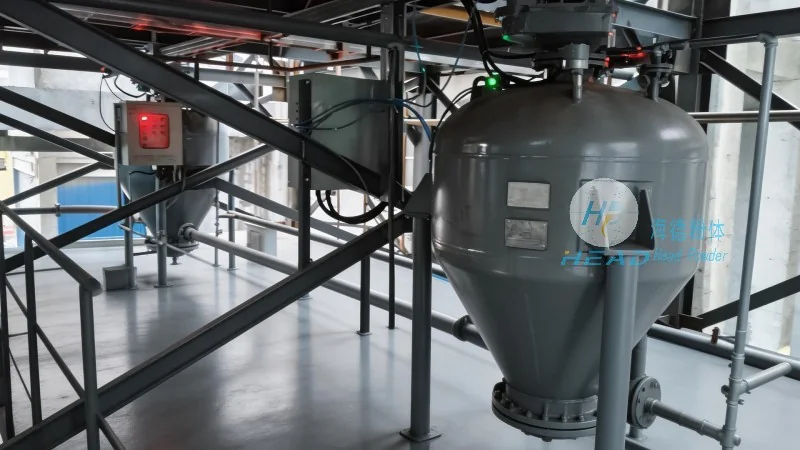
The design of a mineral powder material handling system follows several key principles to ensure efficiency, safety, and durability. First, the system must be designed to handle the specific properties of the mineral powder, including particle size distribution, moisture content, and flowability. The design should consider the material's tendency to form arches or ratholes, which can cause blockages and reduce system efficiency. To mitigate these issues, designers may incorporate features like agitators, vibrators, or air knives to break up arches and maintain consistent flow. Second, dust control is a critical design consideration. Mineral powders are often fine and can generate significant dust, which poses health and safety risks. The system should include dust collection and filtration systems, such as baghouses or cartridge filters, to capture and remove dust from the air. Additionally, the use of sealed and enclosed equipment helps minimize dust exposure. Third, the system must be designed for easy maintenance and cleaning. Components like conveyors, feeders, and silos should be easily accessible for inspection and cleaning. The use of non-stick coatings or smooth surfaces can reduce the buildup of material and make cleaning more efficient. Fourth, the system should be energy-efficient. Designers aim to minimize energy consumption by optimizing the flow rate, using efficient motors, and reducing unnecessary movement. Energy-efficient designs not only lower operational costs but also contribute to environmental sustainability. Finally, the system must comply with relevant safety and environmental regulations. This includes adherence to standards for dust control, noise reduction, and material handling safety. Compliance ensures that the system operates within legal and industry guidelines, protecting both personnel and the environment.
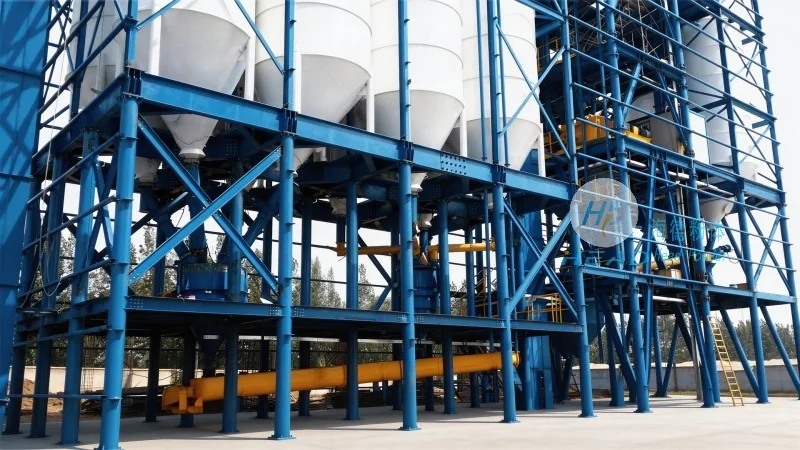
Mineral powder material handling systems are widely used in various industries, including mining, chemical processing, food processing, and pharmaceuticals. In the mining industry, these systems are used to transport and process minerals such as coal, iron ore, and copper ore. The systems help in moving raw materials from the mine to processing plants and between different stages of the extraction process. In chemical processing, mineral powders like limestone, clay, and silica are used as raw materials for producing chemicals, fertilizers, and other products. The material handling systems ensure that these powders are transported efficiently and safely to the processing units. In the food industry, mineral powders like sugar, flour, and spices are handled using specialized systems that maintain hygiene and prevent contamination. The systems are designed to meet food safety standards and ensure the quality of the final products. In the pharmaceutical industry, mineral powders are used as excipients or raw materials for drug manufacturing. The material handling systems are equipped with features that ensure the purity and sterility of the powders, such as closed systems and sterile filtration. Overall, mineral powder material handling systems play a vital role in the efficient and safe operation of these industries, enabling the smooth flow of materials and supporting production processes.
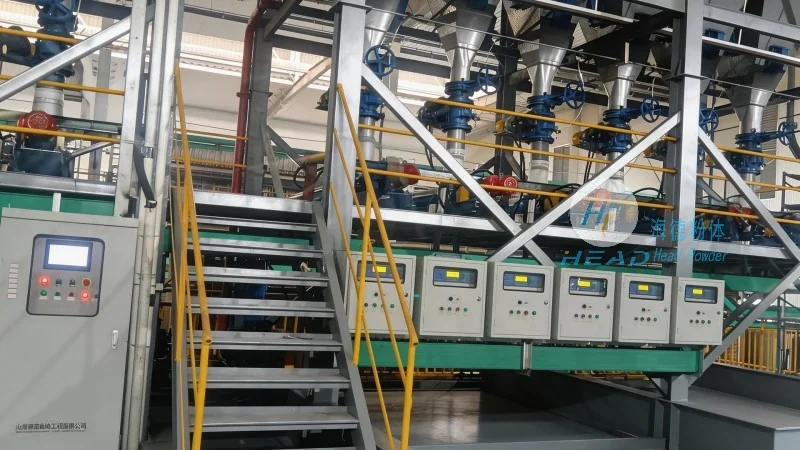
In conclusion, a mineral powder material handling system is a critical component in industries dealing with bulk mineral powders. The system's design, components, and operational principles are tailored to handle the unique challenges of mineral powders, ensuring efficient transport, storage, and management. By incorporating features like specialized feeders, conveyors, storage silos, and control systems, these systems optimize performance and enhance safety. The design principles, including material handling considerations, dust control, maintenance, energy efficiency, and regulatory compliance, are essential for building a reliable and sustainable system. As industries continue to rely on mineral powders for various applications, the importance of well-designed material handling systems will only grow. Companies like Shandong HeadPowder Engineering Co., Ltd., based in China, specialize in providing customized solutions for mineral powder material handling systems, helping businesses achieve operational efficiency and meet industry standards.

 Shandong Headpowder Engineering Co., Ltd.
 156-6277-7102(Manager Zhang)
  0531-83386006
  Zhangqiu District, Jinan City, Shandong Province, China
telephone
WeChatconsult
top