With more than 10‑year industry experience, Shandong Headpowder delivers full‑service pneumatic‑conveying systems and blowers, undertaking nationwide turn‑key powder‑handling projects.
Automatic quantitative material feeding and conveying systems are sophisticated industrial solutions designed to handle the precise and efficient transfer of bulk materials in various manufacturing and processing applications. These systems are integral to industries such as pharmaceuticals, food processing, chemical manufacturing, and more, where accuracy in material handling is critical for product quality and operational efficiency.
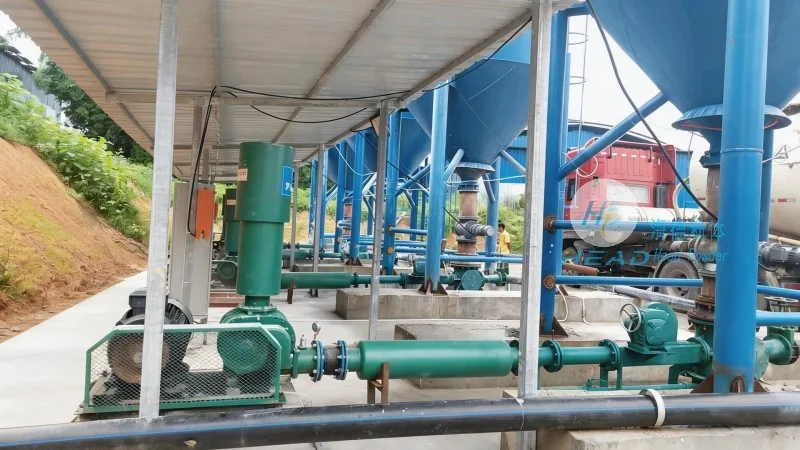
At the heart of these systems lies the ability to measure and deliver materials in exact, repeatable quantities. This is achieved through a combination of advanced sensors, control mechanisms, and mechanical components that work in tandem to ensure consistent performance. The primary goal is to eliminate human error in material handling, which can lead to variations in product composition and batch-to-batch inconsistencies.
The design of an automatic quantitative material feeding system typically involves several key components, each contributing to the overall functionality and reliability of the equipment. These components include:
The design principles of automatic quantitative material feeding systems are centered on precision, durability, and adaptability. Engineers and manufacturers focus on several key aspects to ensure the system meets the demands of high-volume production environments:
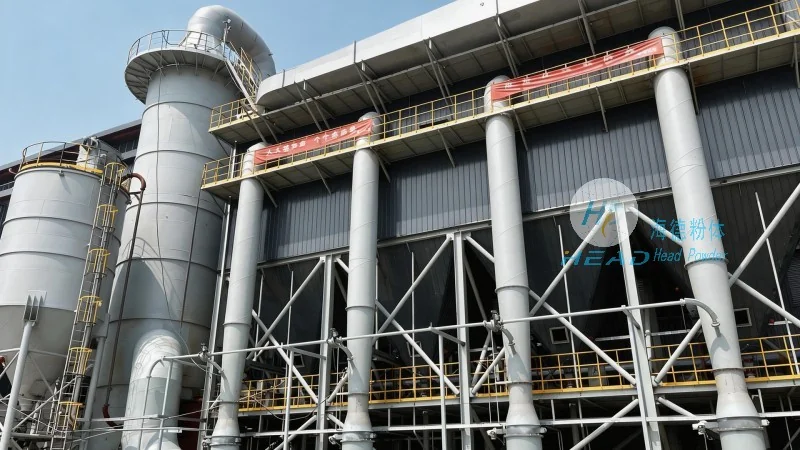
First, accuracy and repeatability are paramount. The system must deliver materials within tight tolerances, often with a high degree of consistency across multiple cycles. This is achieved through calibration procedures and the use of high-precision measurement instruments.
Second, robust construction is essential to withstand the rigors of continuous operation. Materials used in the construction of hoppers, conveyors, and control components are selected for their resistance to wear, corrosion, and impact, ensuring long service life.
Third, flexibility and adaptability are critical for accommodating different material types and processing requirements. Modern systems are often modular, allowing for easy customization and integration with existing production infrastructure.
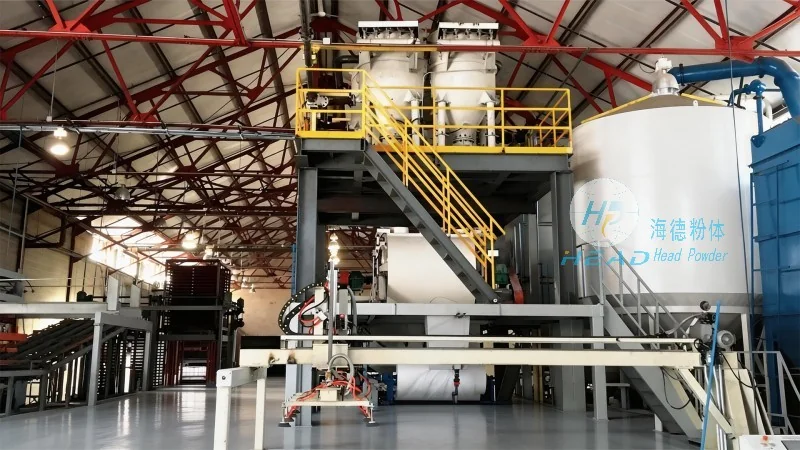
Fourth, maintainability is a key consideration. The design incorporates features that facilitate routine maintenance and component replacement, minimizing downtime and maximizing operational uptime.
Shandong HeadPowder Engineering Co., Ltd., commonly known as HeadPowder, is a prominent manufacturer specializing in the design and production of automatic quantitative material feeding and conveying systems. With a strong presence in China, HeadPowder has established itself as a trusted provider of industrial solutions tailored to the needs of various industries.
HeadPowder's expertise lies in the integration of advanced technology with practical engineering solutions. The company's team of engineers and technicians works closely with clients to understand their specific material handling challenges and develop customized systems that meet their operational requirements. This customer-centric approach has earned HeadPowder a reputation for reliability and innovation in the industry.
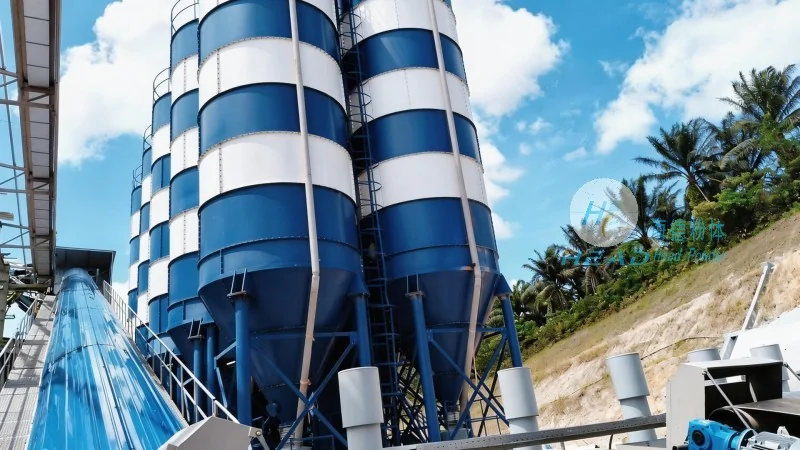
The company's facilities, located in Shandong, China, are equipped with state-of-the-art manufacturing equipment and quality control systems. This ensures that every product leaving the facility meets the highest standards of performance and durability. HeadPowder's commitment to quality is reflected in its adherence to international manufacturing standards and continuous improvement initiatives.
Automatic quantitative material feeding systems find applications in a wide range of industries, where precise material handling is essential for product quality and process efficiency. Some of the key benefits of these systems include:
Automatic quantitative material feeding and conveying systems represent a critical advancement in industrial material handling technology. By combining precision measurement with automated control, these systems enable manufacturers to achieve higher levels of efficiency, consistency, and safety in their production processes. As industries continue to evolve and demand more sophisticated solutions, the importance of reliable and accurate material handling systems will only grow.

 Shandong Headpowder Engineering Co., Ltd.
 156-6277-7102(Manager Zhang)
  0531-83386006
  Zhangqiu District, Jinan City, Shandong Province, China
telephone
WeChatconsult
top