

What is a Wood Fiber Powder Conveying Machine? And What Are Its Design Principles?
Wood fiber powder conveying machines are specialized equipment designed to handle and transport wood fiber powders efficiently. These machines are crucial in various industrial applications, particularly in the manufacturing of wood-based panels, paper products, and other composite materials. Understanding the functionality and design principles of such equipment is essential for optimizing production processes and ensuring consistent material handling. This article explores the key aspects of wood fiber powder conveying machines, including their design considerations, operational mechanisms, and the technical innovations that enhance their performance.
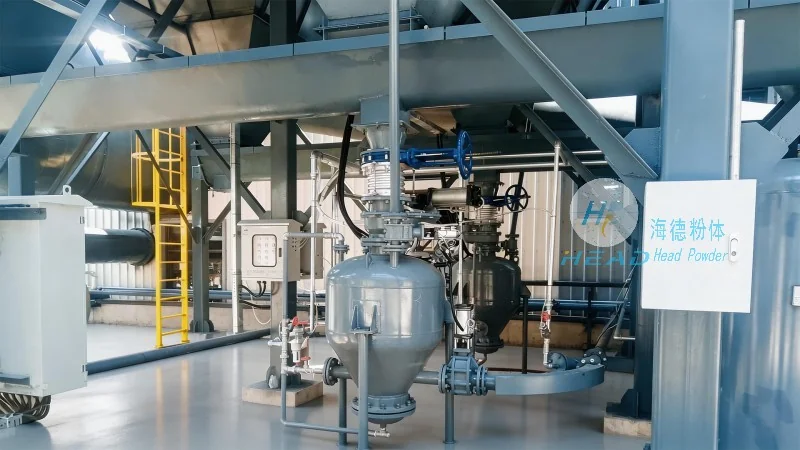
Introduction to Wood Fiber Powder Conveying Machines
Wood fiber powder conveying machines, also known as pneumatic or mechanical conveyors, are engineered to transport wood fiber powders from one location to another within industrial settings. These machines are designed to handle the unique properties of wood fibers, such as their lightweight nature, irregular shapes, and tendency to clump or agglomerate. The primary goal of these systems is to ensure reliable, continuous, and low-dust material transport, which is vital for maintaining product quality and operational safety. The design of these machines typically involves a combination of components that work in harmony to achieve efficient powder handling.
Key Components and Design Principles
The design of a wood fiber powder conveying machine is centered around several critical components that ensure optimal performance. These components include the hopper, which serves as the storage and feeding unit for the wood fiber powder; the conveyor system, which may be pneumatic (using air pressure) or mechanical (using belts or screws); and the control system, which regulates the flow and pressure of the material. The hopper is often designed with a conical or rectangular shape to facilitate uniform feeding and prevent material bridging or clogging. The conveyor system, whether pneumatic or mechanical, is engineered to handle the specific characteristics of wood fibers, such as their low bulk density and tendency to create static charges. Pneumatic conveying systems use compressed air to move the powder through a pipeline, while mechanical systems rely on rotating screws or belts to transport the material. The control system plays a crucial role in maintaining consistent flow rates, pressure levels, and material distribution, ensuring that the conveying process remains stable and efficient.
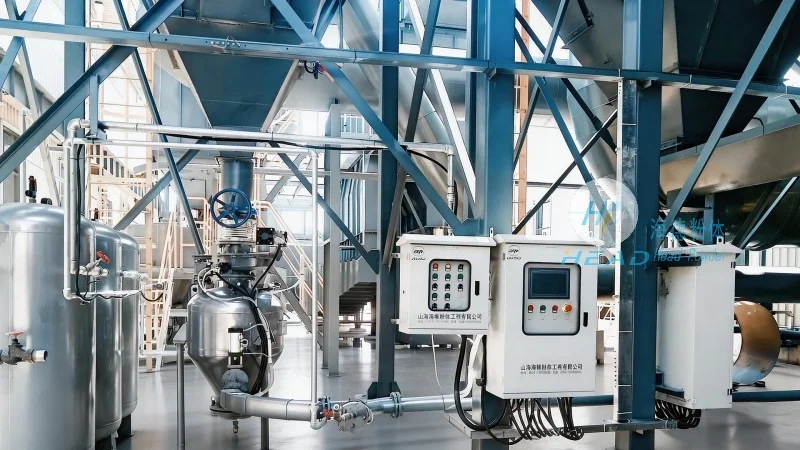
Operational Mechanisms and Efficiency
The operational mechanisms of wood fiber powder conveying machines are designed to maximize efficiency and minimize downtime. Pneumatic conveying systems, for instance, use a combination of positive and negative pressure to move the powder through the pipeline. Positive pressure systems blow air into the pipeline, pushing the powder forward, while negative pressure systems create a vacuum that pulls the powder through the line. The choice between these systems depends on the specific application, material properties, and distance to be covered. Mechanical conveying systems, such as screw conveyors, use rotating screws to push the powder forward, which is particularly effective for handling fibrous materials that may be prone to clogging. The design of the screw pitch and diameter is critical in determining the conveying capacity and pressure drop. Additionally, the inclusion of features like vibration feeders or air knives helps to break up agglomerates and maintain a consistent flow of material, enhancing overall system efficiency.
Technical Innovations and Advancements
Recent advancements in wood fiber powder conveying machine technology have focused on improving material handling capabilities, reducing energy consumption, and enhancing operational safety. Innovations such as variable frequency drives (VFDs) allow for precise control of conveyor speed and pressure, optimizing energy usage based on the material flow rate. The integration of sensors and monitoring systems provides real-time data on system performance, enabling proactive maintenance and reducing the risk of equipment failure. Additionally, the use of advanced materials in the construction of the conveyor components, such as corrosion-resistant stainless steel or high-density polyethylene, enhances durability and longevity. These technical advancements not only improve the efficiency of wood fiber powder conveying but also contribute to a more sustainable and cost-effective operation.
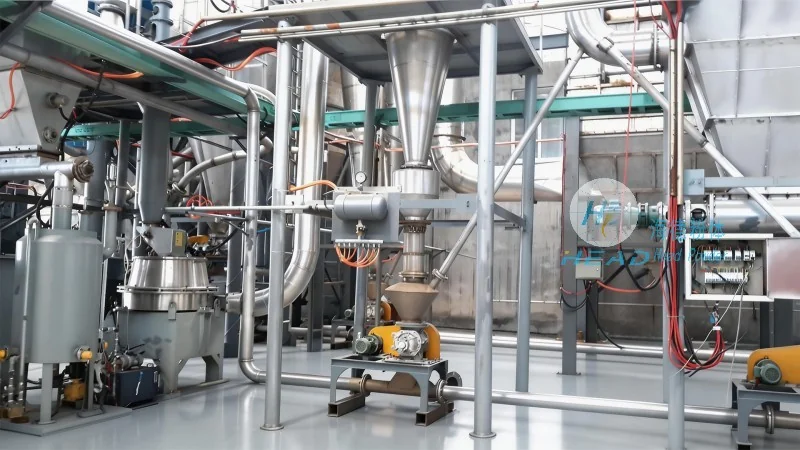
Applications and Industry Impact
Wood fiber powder conveying machines are widely used in various industries, including the wood panel industry, paper manufacturing, and composite material production. In the wood panel industry, these machines are essential for transporting wood fibers to the production lines of particle boards, fiberboards, and other wood-based products. The consistent and low-dust transport of wood fibers ensures that the final products have uniform quality and reduced defects. In the paper industry, wood fiber powder conveying systems are used to transport raw materials to the paper machines, ensuring a steady supply of high-quality fibers. The ability to handle fibrous materials efficiently also contributes to the overall productivity of these industrial processes. The design and operation of these machines directly impact the quality and efficiency of the end products, making them a critical component in modern manufacturing.
Conclusion
In conclusion, wood fiber powder conveying machines are sophisticated equipment designed to handle the unique challenges of transporting wood fiber powders. Their design principles, operational mechanisms, and technical innovations work together to ensure efficient, reliable, and low-dust material handling. The integration of advanced components and control systems enhances performance and reduces operational costs, making these machines indispensable in various industrial applications. As technology continues to evolve, the design and functionality of wood fiber powder conveying machines will likely continue to improve, further optimizing industrial processes and contributing to the sustainability of manufacturing operations.