With more than 10‑year industry experience, Shandong Headpowder delivers full‑service pneumatic‑conveying systems and blowers, undertaking nationwide turn‑key powder‑handling projects.
Aluminum dross powder conveying lines are specialized industrial systems engineered to handle and transport aluminum dross powder, a byproduct generated during the aluminum smelting and recycling processes. These systems are critical for efficient material handling, ensuring that aluminum dross is moved from collection points to processing or disposal locations with minimal loss and maximum safety. The design of such lines is tailored to address the unique challenges posed by aluminum dross, including its abrasive nature, variable moisture content, and potential for dust generation, making them essential components in modern aluminum processing facilities. Manufactured by Shandong HeadPowder Engineering Co., Ltd., these conveying lines are designed to meet the specific needs of aluminum processing operations, providing reliable and efficient solutions for material handling.
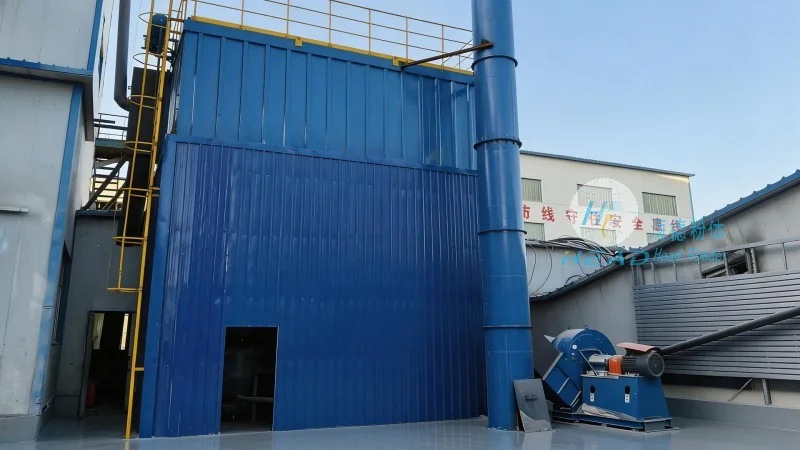
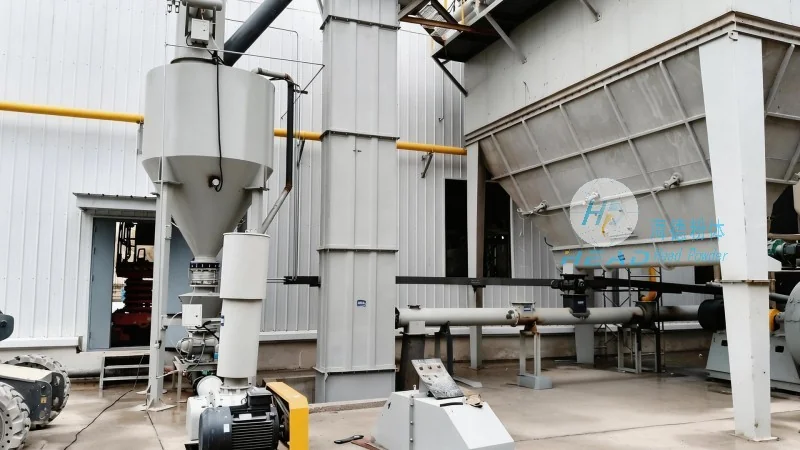
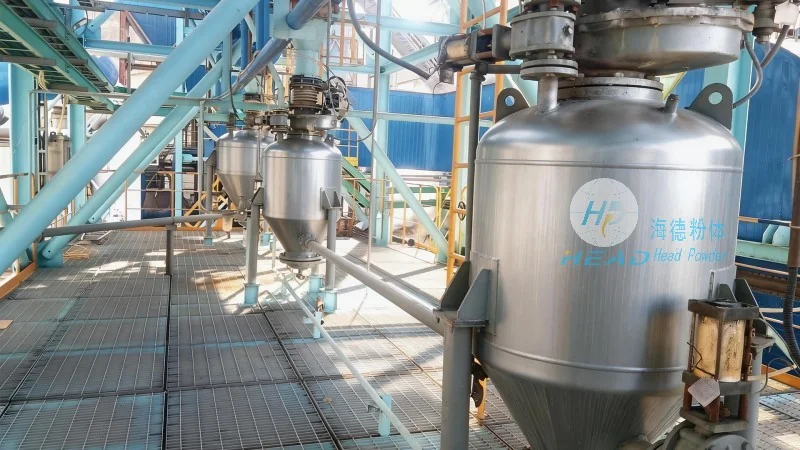
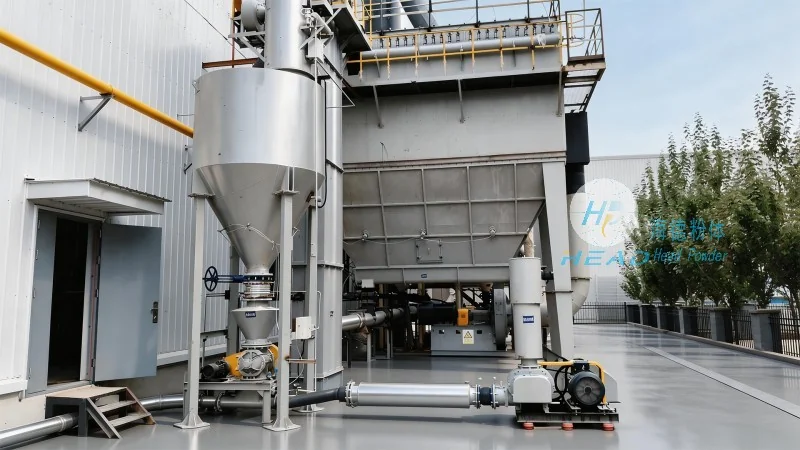
The aluminum dross powder conveying line typically comprises several key components that work in concert to achieve reliable and efficient material transport. The primary components include a feeding mechanism, a conveying system (such as screw conveyors, pneumatic conveyors, or bucket elevators), a control system, and a dust collection system. The feeding mechanism is responsible for introducing the aluminum dross powder into the system, often using a hopper or a rotary valve to regulate the flow and prevent material buildup. The conveying system then transports the material through the line, with screw conveyors being suitable for handling bulk materials with minimal dust, while pneumatic conveyors are ideal for fine powders that require more controlled movement and reduced risk of blockages. The control system manages the operation of all components, ensuring smooth and safe operation, and may include sensors to monitor flow rates, detect blockages, and adjust the system's performance in real-time. Finally, the dust collection system is essential for maintaining air quality and preventing dust emissions, typically incorporating filters or cyclones to capture fine particles and comply with environmental regulations. Each component is carefully selected and integrated to ensure the overall system operates efficiently and reliably.
The design principles of aluminum dross powder conveying lines are centered on several critical factors, including material handling efficiency, equipment durability, operational safety, and environmental compliance. One of the primary design considerations is the material's physical properties, such as its abrasiveness and moisture content, which dictate the choice of equipment and materials used in the system. For instance, aluminum dross is known to be abrasive, so components like screws, hoppers, and chutes are often made from wear-resistant materials like stainless steel or hardened steel to extend their service life and reduce maintenance costs. Moisture content is another factor, as high moisture can lead to caking or blockages, necessitating the use of drying or conditioning steps in the system, such as pre-drying the material or incorporating heating elements to maintain optimal moisture levels. The system's layout is also carefully planned to minimize the number of bends and changes in direction, as sharp turns can cause material degradation or equipment wear, and may require additional components like flex conveyors or flexible hoses to accommodate movement. Energy efficiency is another key design principle, with the selection of equipment that balances performance with low operational costs, such as using variable frequency drives (VFDs) to adjust motor speeds based on the material flow rate. The design must also incorporate safety features, such as emergency stop buttons, overload protection, and proper ventilation, to protect operators and prevent accidents, ensuring compliance with occupational health and safety regulations. Additionally, the system is designed to be modular and scalable, allowing for easy expansion or modification as the processing needs of the facility change over time.

 Shandong Headpowder Engineering Co., Ltd.
 156-6277-7102(Manager Zhang)
  0531-83386006
  Zhangqiu District, Jinan City, Shandong Province, China
telephone
WeChatconsult
top