With more than 10‑year industry experience, Shandong Headpowder delivers full‑service pneumatic‑conveying systems and blowers, undertaking nationwide turn‑key powder‑handling projects.
When designing a gypsum powder pneumatic conveying system, several critical factors must be considered to ensure efficient, reliable, and cost-effective operation. The system's performance is heavily influenced by the characteristics of the gypsum powder, the conveying distance, and the overall process requirements. A well-designed system not only maximizes material throughput but also minimizes energy consumption and maintenance costs.
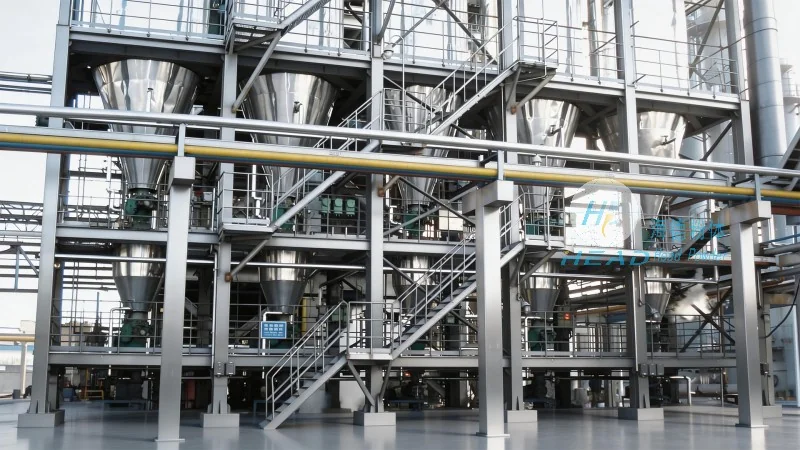
One of the primary considerations is the selection of the appropriate conveying method. Gypsum powder, being a fine, dry material, is well-suited for pneumatic conveying due to its low bulk density and potential for dust generation. The choice between positive and negative pressure systems depends on the specific application, including the distance between the source and destination, and the need to handle dust or prevent contamination. For long-distance or high-volume applications, positive pressure systems are often preferred as they offer better control over material flow and can handle more complex routing.
The physical properties of gypsum powder, such as particle size distribution, moisture content, and flowability, directly impact the system's design. Coarser particles may require larger diameter pipelines to prevent clogging, while finer particles can lead to higher friction losses and increased pressure requirements. Moisture content is a critical factor, as it can affect the material's density and cause blockages if not properly managed. The system must be designed to accommodate these variations, ensuring consistent performance even under changing conditions.
Pipeline sizing is a critical aspect of system design, as it directly affects pressure drop and energy consumption. The diameter of the pipeline is determined by the material's flow rate, particle size, and the conveying velocity. For gypsum powder, a velocity of 20-30 meters per second is typically recommended to prevent particle deposition and ensure smooth flow. The pipeline material must be selected to resist corrosion and abrasion, as gypsum can be mildly abrasive. Common materials include stainless steel, PVC, and polyethylene, with stainless steel being preferred for its durability and resistance to chemical exposure.
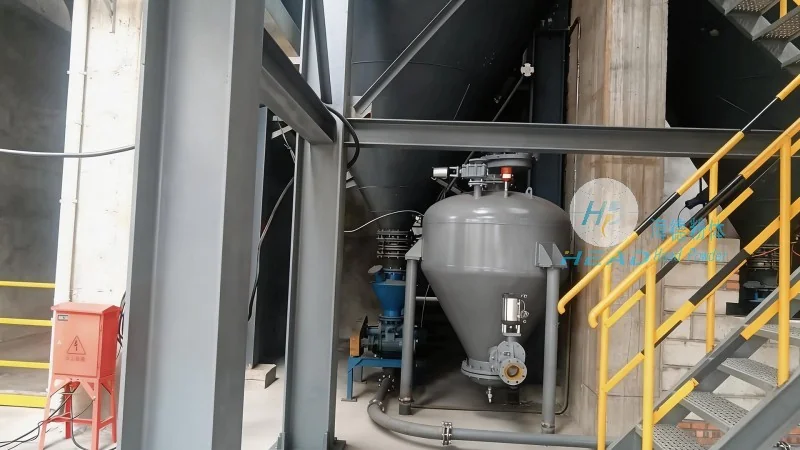
The gas source, typically air or a mixture of air and other gases, plays a crucial role in system performance. The pressure required depends on the conveying distance and the system's configuration. High-pressure systems are used for longer distances or when handling more difficult-to-convey materials, while low-pressure systems are suitable for shorter distances or when energy efficiency is a priority. The gas source must be equipped with proper filtration and drying to remove moisture and contaminants, which can damage equipment and affect material quality. Regular maintenance of the air compressor and filtration system is essential to maintain optimal performance.
Key equipment in a gypsum powder pneumatic conveying system includes the feeder, air compressor, filter, and conveying lines. The feeder must be capable of handling the material's flow characteristics, ensuring a consistent feed rate without causing blockages. The air compressor should be sized to provide sufficient pressure and flow rate to meet the system's demands. The filter is critical for maintaining air quality and preventing dust from escaping into the environment. Proper integration of these components is essential to ensure smooth operation and minimize downtime.
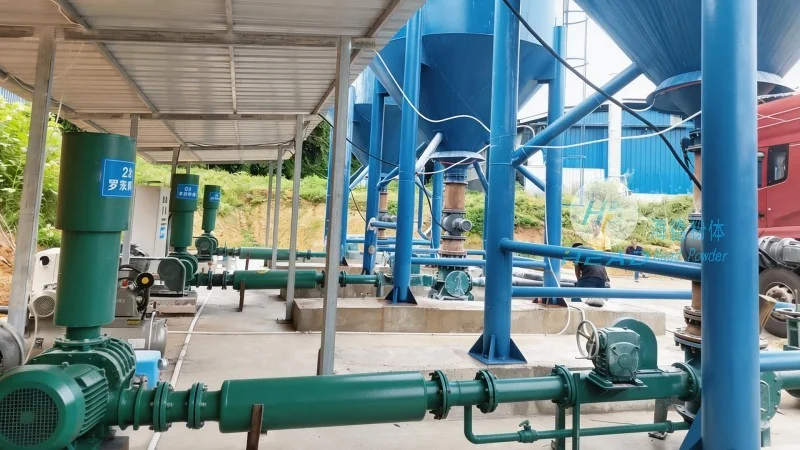
Safety is a paramount consideration in the design of any industrial system. Gypsum powder is non-toxic but can cause respiratory issues if inhaled in large quantities. The system must be equipped with appropriate dust collection and ventilation systems to protect operators and the environment. Regular maintenance is crucial to prevent equipment failure and ensure long-term reliability. This includes checking for leaks, cleaning filters, and inspecting pipelines for wear or corrosion. A well-maintained system will have a longer lifespan and lower operational costs.
Shandong HeadPowder Engineering Co., Ltd., a leading provider of pneumatic conveying solutions, has successfully implemented numerous gypsum powder conveying systems across China. Their expertise in system design and integration has enabled clients to achieve significant improvements in material handling efficiency and cost reduction. By carefully considering the factors outlined above, their systems have consistently delivered reliable performance, even in challenging environments. The company's commitment to quality and customer satisfaction has made them a trusted partner in the industry.
Designing a gypsum powder pneumatic conveying system requires a comprehensive approach that considers material properties, system configuration, and operational requirements. By addressing key design considerations such as conveying method, pipeline sizing, and equipment selection, engineers can develop systems that are efficient, reliable, and cost-effective. The expertise of companies like Shandong HeadPowder Engineering Co., Ltd. is invaluable in ensuring that these systems are optimized for specific applications, leading to improved productivity and reduced operational costs.

 Shandong Headpowder Engineering Co., Ltd.
 156-6277-7102(Manager Zhang)
  0531-83386006
  Zhangqiu District, Jinan City, Shandong Province, China
telephone
WeChatconsult
top