With more than 10‑year industry experience, Shandong Headpowder delivers full‑service pneumatic‑conveying systems and blowers, undertaking nationwide turn‑key powder‑handling projects.
When designing a potash fertilizer pneumatic conveying system, several critical factors must be considered to ensure efficiency, reliability, and safety. The system's performance is directly influenced by the material properties of potash fertilizer, which are known for their high bulk density and potential for dust generation. Proper system design addresses these challenges by integrating advanced engineering principles and material handling expertise.
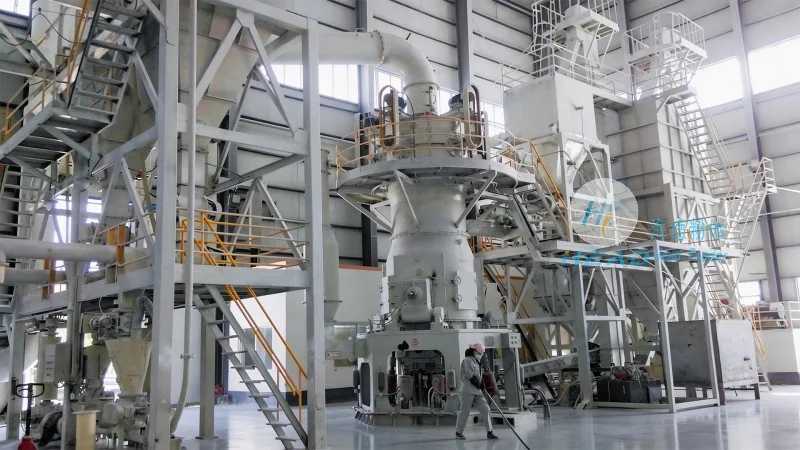
Potash fertilizer, typically composed of potassium chloride (KCl) or other potassium-based compounds, exhibits unique characteristics that affect pneumatic conveying. Its high bulk density requires higher air velocities and pressure differentials to achieve effective transport. Additionally, the material's tendency to generate dust necessitates robust dust control measures, such as efficient filtration systems and sealed components. These properties dictate the choice of conveying equipment, including the type of air mover (e.g., positive displacement blowers or centrifugal fans) and the design of the pipeline network.
The layout of the potash fertilizer pneumatic conveying system is a key design consideration. The system should be designed to minimize material handling distances and reduce the number of bends and changes in direction, as these can cause pressure losses and material degradation. The pipeline configuration must account for the material's flow characteristics, ensuring that the system maintains sufficient air velocity to prevent clogging and ensure consistent flow. Vertical and horizontal sections of the pipeline require careful consideration of pressure drop and the potential for material settling. The use of appropriate pipe materials, such as stainless steel or corrosion-resistant alloys, is essential to prevent chemical reactions with the fertilizer and maintain system integrity.
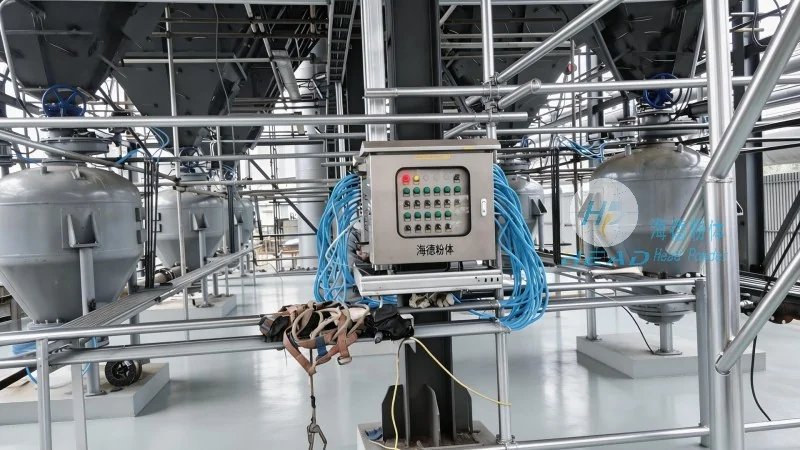
The selection of the air mover is a critical decision in potash fertilizer pneumatic conveying system design. Positive displacement blowers are often preferred for their ability to maintain consistent air pressure and volume, which is crucial for handling the high-density material. These blowers provide the necessary power to overcome the pressure losses in the pipeline and ensure reliable material transport. The performance of the air mover must be matched to the system's requirements, considering factors such as the conveying distance, material flow rate, and pipeline length. Regular maintenance and monitoring of the air mover are essential to ensure optimal performance and prevent system downtime.
Dust control is a major concern in potash fertilizer pneumatic conveying systems due to the material's fine particles and potential for airborne emissions. Effective dust control measures include the installation of high-efficiency particulate air (HEPA) filters, cyclone separators, and sealed system components. The system design must incorporate these elements to comply with environmental regulations and ensure worker safety. Additionally, the use of proper sealing techniques and regular maintenance of equipment helps minimize dust leakage and maintain a clean operating environment. The integration of dust collection systems with the conveying process ensures that the material is handled in a controlled manner, reducing the risk of environmental contamination.
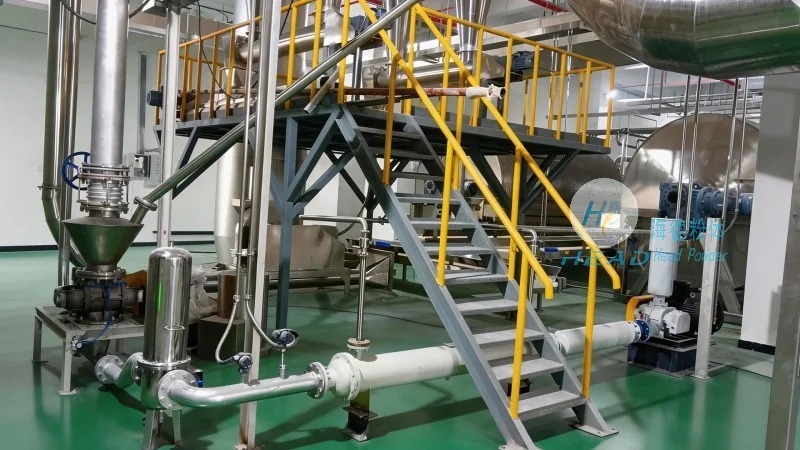
Safety is a top priority in the design and operation of potash fertilizer pneumatic conveying systems. The system must be equipped with safety features such as pressure relief valves, emergency shut-off mechanisms, and monitoring systems to prevent accidents and ensure safe operation. Regular maintenance and inspection of the system are essential to identify and address potential issues before they become major problems. This includes checking for wear and tear on components, ensuring proper lubrication of moving parts, and verifying the performance of dust control and filtration systems. A well-maintained system not only ensures safety but also extends the lifespan of equipment and reduces operational costs.
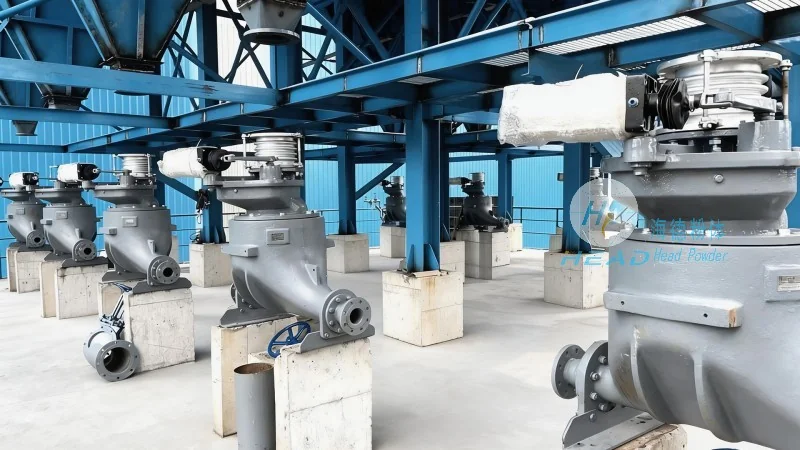
When designing a potash fertilizer pneumatic conveying system, it is important to consider its integration with existing facilities. The system should be designed to interface seamlessly with existing storage, processing, and packaging equipment. This includes matching the system's flow rates and pressure levels to the requirements of downstream processes. The layout should also account for space constraints and existing infrastructure, ensuring that the new system can be installed without disrupting current operations. Proper integration minimizes the need for extensive modifications to existing facilities and reduces project costs and timelines.
Shandong HeadPowder Engineering Co., Ltd., a leading provider of engineering solutions for material handling systems, has successfully implemented potash fertilizer pneumatic conveying systems for several clients. One notable project involved the design and installation of a system for a large fertilizer manufacturer in China. The system was tailored to handle high volumes of potash fertilizer, with a conveying capacity of over 100 tons per hour. The design incorporated advanced features such as positive displacement blowers, stainless steel pipelines, and HEPA filtration systems to ensure efficient and safe operation. The system has been in operation for several years, demonstrating the effectiveness of the design and the reliability of the equipment. This case study highlights the importance of considering all design factors, from material properties to system integration, to achieve successful outcomes.

 Shandong Headpowder Engineering Co., Ltd.
 156-6277-7102(Manager Zhang)
  0531-83386006
  Zhangqiu District, Jinan City, Shandong Province, China
telephone
WeChatconsult
top