With more than 10‑year industry experience, Shandong Headpowder delivers full‑service pneumatic‑conveying systems and blowers, undertaking nationwide turn‑key powder‑handling projects.
Barley malting is a critical process in the brewing industry, and the efficiency of material handling directly impacts overall production quality and cost. Pneumatic conveying systems offer a reliable solution for transporting barley and other malting ingredients, but their design requires careful consideration to ensure optimal performance, safety, and longevity. This article outlines key design considerations for barley malting pneumatic conveying systems, emphasizing practical insights from industry experts at Shandong HeadPowder Engineering Co., Ltd., a leading provider of engineering solutions in China.
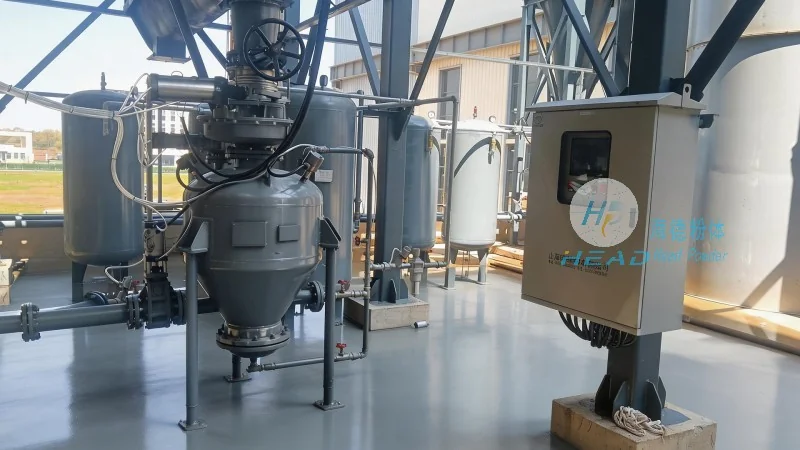
When designing a pneumatic conveying system for barley malting, the first step is selecting the appropriate conveying method. Two primary types are commonly used: positive pressure and negative pressure systems. Positive pressure systems use a blower to force air and material through the pipeline, while negative pressure systems create a vacuum to draw material into the system. The choice depends on factors such as material characteristics, distance, and system complexity. For barley, which is relatively light and free-flowing, positive pressure systems are often preferred due to their ability to handle longer distances and reduce material degradation. Shandong HeadPowder Engineering Co., Ltd. recommends evaluating the specific needs of the malting facility, including the volume of material to be transported and the layout of the production area, to determine the most suitable method.
Key components of a pneumatic conveying system include the hopper, feeder, blower, and pipeline. Each component must be selected to withstand the demands of barley handling. The hopper should be designed to prevent material bridging and ensure consistent flow, often incorporating features like cone-shaped bottoms and vibration devices. The feeder, typically a rotary valve or screw feeder, must handle the bulk density and flow characteristics of barley without causing blockages or excessive wear. The blower is the heart of the system, and its capacity (in terms of air volume and pressure) must match the conveying requirements. Shandong HeadPowder Engineering Co., Ltd. emphasizes the importance of using high-quality, corrosion-resistant materials for all components, as barley may contain moisture or impurities that can affect equipment longevity. For example, stainless steel or special alloys are recommended for parts in contact with the material to prevent rust and contamination.
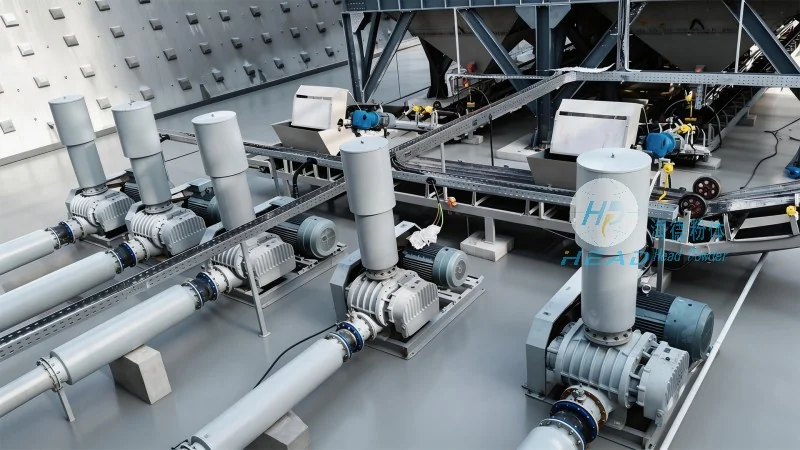
The layout of the pneumatic conveying system significantly impacts its efficiency. Proper planning of the pipeline route minimizes the number of bends and vertical lifts, which can cause material degradation and increased energy consumption. Horizontal runs are generally preferred over vertical lifts, as they reduce the risk of material separation and improve flow consistency. The diameter of the pipeline is another critical factor; it must be large enough to prevent excessive pressure drops and maintain a stable flow velocity. Shandong HeadPowder Engineering Co., Ltd. advises using a pipeline diameter that is at least 1.5 times the diameter of the material being conveyed to ensure smooth operation. Additionally, the inclusion of expansion joints and flexible connectors is essential to accommodate thermal expansion and reduce stress on the system components. Properly designed pipelines also help minimize dust emissions and improve overall safety in the malting facility.
Safety is a top priority when designing pneumatic conveying systems for barley malting. Barley dust is a fire and explosion hazard, and the system must be equipped with appropriate safety features. Explosion-proof blower motors and electrical components are mandatory in many regions, and the system should be installed with explosion relief panels or venting systems to prevent pressure buildup. Regular maintenance and monitoring of the system are also crucial for safety. Shandong HeadPowder Engineering Co., Ltd. recommends implementing a comprehensive safety program that includes regular inspections of the pipeline for leaks, checking the blower for proper operation, and ensuring that all personnel are trained on the safe use of the system. Additionally, the system should be equipped with dust collection and filtration systems to minimize airborne dust and protect the health of workers.
To maintain the efficiency and longevity of a barley malting pneumatic conveying system, regular maintenance is essential. This includes cleaning the hopper and feeder to prevent material buildup, checking the blower for wear and tear, and inspecting the pipeline for blockages or damage. Shandong HeadPowder Engineering Co., Ltd. provides detailed maintenance schedules and troubleshooting guides to help facility operators identify and resolve common issues. For example, if the system experiences reduced conveying capacity, it may indicate a blockage in the pipeline or a worn feeder. Regularly cleaning the pipeline and replacing worn components can restore optimal performance. Additionally, monitoring the system's pressure and flow rates can help detect potential problems early, allowing for timely maintenance and preventing costly downtime.
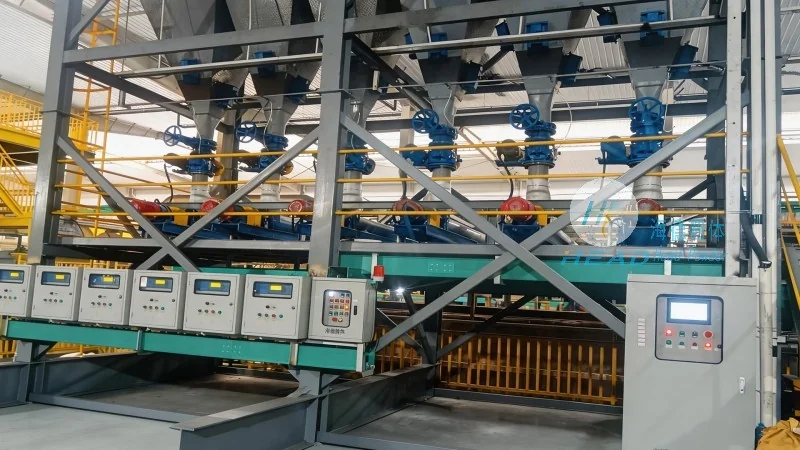
Shandong HeadPowder Engineering Co., Ltd. has successfully implemented pneumatic conveying systems for barley malting in various facilities across China. One notable project involved a large-scale malting plant in Shandong, where the company designed and installed a positive pressure system to transport barley from storage silos to the mashing tanks. The system was customized to handle 500 tons of barley per day, with a pipeline length of 200 meters and a vertical lift of 15 meters. By carefully selecting high-quality components and optimizing the system layout, the plant achieved a 20% reduction in energy consumption compared to traditional belt conveyors. The system also improved material flow consistency, reducing the risk of contamination and ensuring consistent malt quality. This case study highlights the importance of professional engineering and careful design in achieving successful pneumatic conveying systems for barley malting.
Designing a pneumatic conveying system for barley malting requires a balance of technical expertise, practical experience, and attention to detail. By considering factors such as system selection, equipment quality, layout optimization, safety measures, and maintenance, facility operators can ensure that their material handling system operates efficiently, safely, and cost-effectively. Shandong HeadPowder Engineering Co., Ltd. offers comprehensive engineering solutions and support to help malting facilities achieve these goals, leveraging years of experience in the industry. Whether upgrading an existing system or designing a new one, partnering with a reputable engineering company like HeadPowder is essential to ensure the long-term success of the barley malting process.

 Shandong Headpowder Engineering Co., Ltd.
 156-6277-7102(Manager Zhang)
  0531-83386006
  Zhangqiu District, Jinan City, Shandong Province, China
telephone
WeChatconsult
top