With more than 10‑year industry experience, Shandong Headpowder delivers full‑service pneumatic‑conveying systems and blowers, undertaking nationwide turn‑key powder‑handling projects.
When designing a biomass pneumatic conveying system, several critical factors must be considered to ensure efficient operation, reliability, and longevity. This article outlines key design considerations that are essential for optimizing the performance of such systems, with a focus on practical applications and engineering principles.
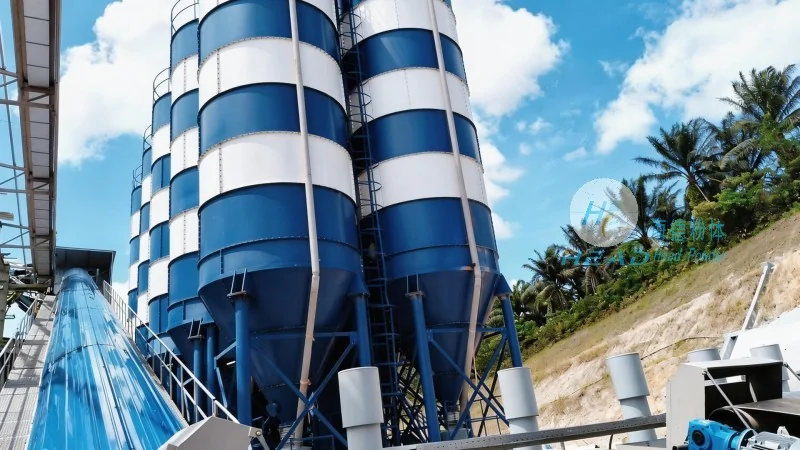
The first step in designing a biomass pneumatic conveying system involves accurately determining the system's capacity and the characteristics of the material being conveyed. Biomass materials, such as wood chips, pellets, or agricultural residues, vary widely in density, moisture content, and particle size. These factors directly impact the required air velocity, pressure drop, and overall system power consumption. For instance, high-density materials like wood pellets may require higher air velocities to maintain proper flow, while low-density materials like straw may need lower velocities to avoid excessive pressure losses. Proper characterization of the material, including its bulk density, flowability, and abrasiveness, is crucial for selecting the appropriate conveying line diameter, air flow rate, and equipment specifications.
The layout of the conveying line is a critical design element that affects system efficiency and cost. The length and elevation changes of the conveying line must be carefully planned to minimize energy consumption and prevent material blockages. Horizontal and vertical runs should be optimized to maintain consistent air velocity and pressure. For long-distance or high-elevation conveying, multiple stages or booster units may be necessary to maintain sufficient pressure. The use of bends, elbows, and expansion joints must be minimized as they increase pressure drop and can cause material degradation or blockages. Additionally, the material of construction for the conveying line (e.g., stainless steel, PVC, or metal) must be selected based on the corrosiveness and abrasiveness of the biomass material to ensure durability and prevent leaks.
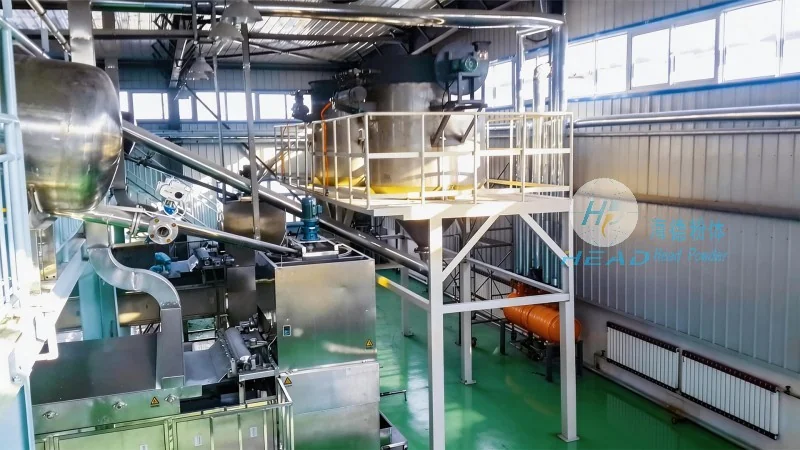
Proper air supply and pressure control are essential for the stable operation of a pneumatic conveying system. The air compressor or blower must be sized to provide sufficient air volume and pressure to overcome the system's resistance. Variable frequency drives (VFDs) can be used to adjust the air flow rate in response to changes in material load or system conditions, improving energy efficiency. The air filter and dryer are critical components that ensure the air is clean and dry, preventing contamination of the biomass and reducing equipment wear. Regular maintenance of the air supply system, including checking for leaks and cleaning filters, is necessary to maintain optimal performance.
Pre-treatment of the biomass material can significantly improve the performance of the pneumatic conveying system. Conditioning the material, such as by adding moisture or using a pre-drying process, can enhance its flowability and reduce the risk of blockages. For example, wood chips that are too dry may become brittle and cause abrasion to the conveying line, while overly wet material may lead to clogging. Proper feeding mechanisms, such as rotary valves or screw feeders, are essential to ensure a consistent material flow into the system. The feed hopper should be designed to minimize material bridging and ensure uniform feeding. Additionally, the use of in-line mixers or agitators can help prevent material segregation and ensure consistent conveying performance.
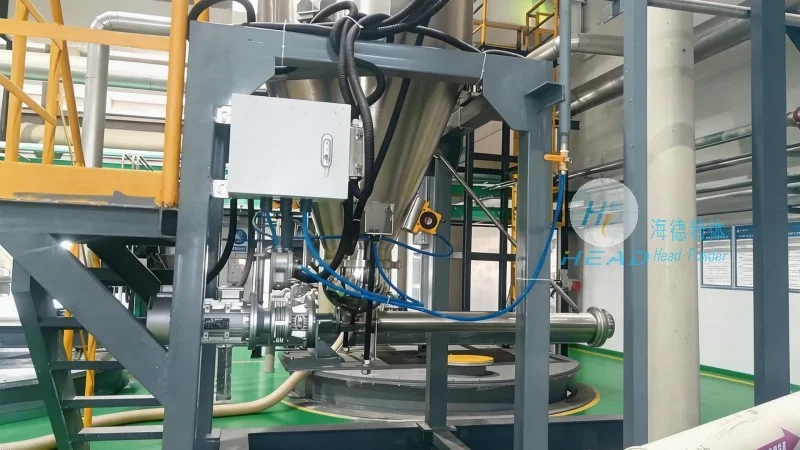
Safety is a paramount consideration in the design of biomass pneumatic conveying systems. Proper ventilation and explosion-proof designs are necessary to handle potentially flammable biomass materials. Pressure relief valves and emergency shut-off systems must be installed to prevent over-pressurization and ensure operator safety. Regular maintenance and inspection of the system are critical to prevent failures and extend its service life. This includes checking for wear and tear on components, cleaning filters and hoppers, and inspecting for leaks or blockages. The use of monitoring systems, such as pressure sensors and flow meters, can help detect issues early and prevent system downtime.
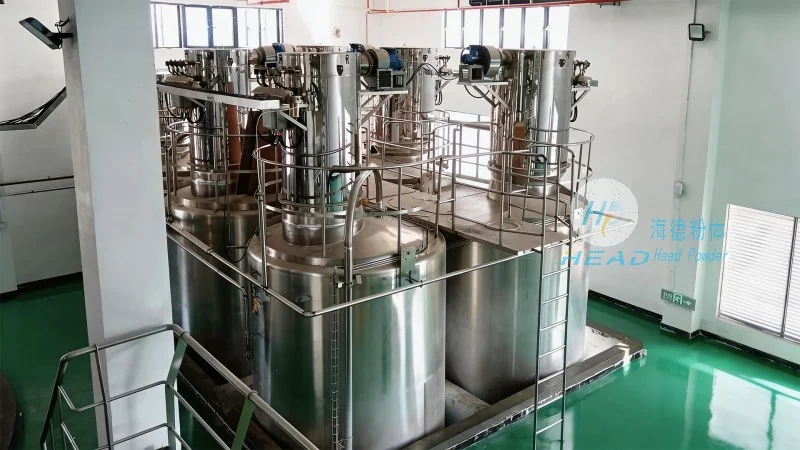
A practical example of a biomass pneumatic conveying system is its application in biomass power plants. In such facilities, large quantities of biomass feedstock need to be transported from storage to the boiler or gasifier. The system must be designed to handle high volumes of material with varying characteristics, ensuring reliable and efficient delivery. The design considerations discussed above, such as material characteristics, conveying line layout, and air supply control, are all critical for optimizing the performance of the system in this application. By carefully addressing these factors, the system can operate efficiently, reducing energy costs and improving the overall efficiency of the power plant.
Shandong HeadPowder Engineering Co., Ltd., a leading provider of pneumatic conveying solutions, specializes in designing and manufacturing biomass pneumatic conveying systems tailored to the specific needs of clients. With years of experience in the industry, the company offers comprehensive engineering services, from system design and installation to maintenance and support. HeadPowder's expertise in material handling and conveying technology ensures that their systems are reliable, efficient, and cost-effective, helping clients achieve their operational goals while minimizing downtime and maintenance costs.

 Shandong Headpowder Engineering Co., Ltd.
 156-6277-7102(Manager Zhang)
  0531-83386006
  Zhangqiu District, Jinan City, Shandong Province, China
telephone
WeChatconsult
top