With more than 10‑year industry experience, Shandong Headpowder delivers full‑service pneumatic‑conveying systems and blowers, undertaking nationwide turn‑key powder‑handling projects.
Protein powder is a vital ingredient across multiple sectors, including food and beverage, pharmaceuticals, and animal feed. The efficient and reliable transport of this fine powder is paramount for preserving product integrity and optimizing operational performance. A well-engineered pneumatic conveying system is indispensable for achieving these objectives, and several critical design considerations must be addressed during the development process.
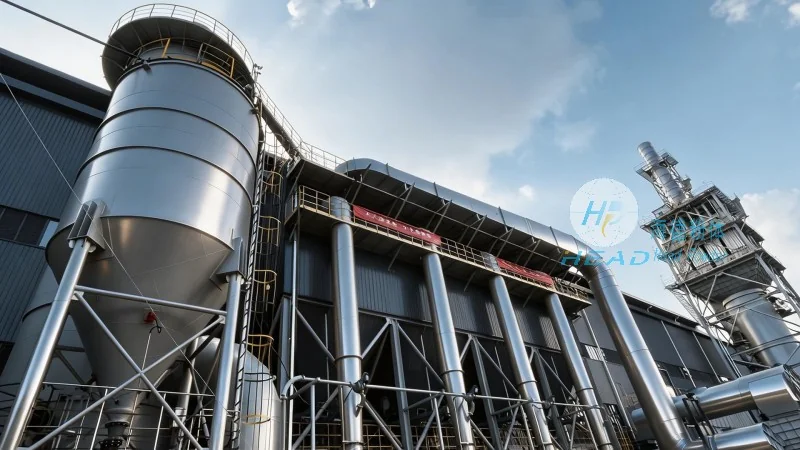
Choosing the appropriate pneumatic conveying system type is the initial and most crucial step. Given protein powders’ sensitivity to moisture and temperature, a system that minimizes exposure to these factors is essential. The two primary system categories are pressure and vacuum systems. Pressure systems utilize compressed air to propel material through pipelines, while vacuum systems employ a vacuum to draw material. For protein powders, pressure systems are generally favored as they offer superior flow control and reduce contamination risks. Selection must also account for material properties—such as particle size, density, and flowability—to ensure the system accommodates the protein powder’s specific characteristics effectively.
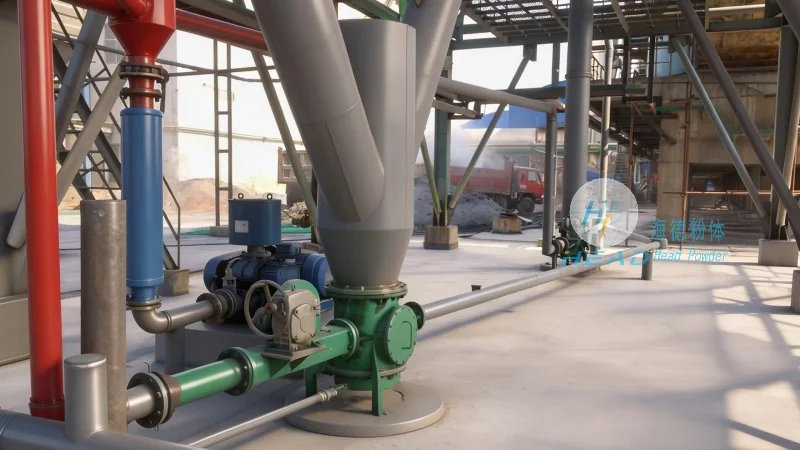
The pipeline design and layout are pivotal to the system’s performance. Optimization is key to minimizing pressure drops and ensuring smooth material flow. The pipeline must be constructed from materials compatible with protein powders, such as stainless steel or food-grade plastic, to prevent contamination and maintain hygiene. Pipeline diameter is also critical, as it influences material velocity and the pressure needed for transport. Larger diameters may be required for high-capacity systems to reduce pressure losses and enhance efficiency. Additionally, the pipeline should incorporate appropriate bends and elbows to minimize turbulence, prevent material buildup, or blockages.
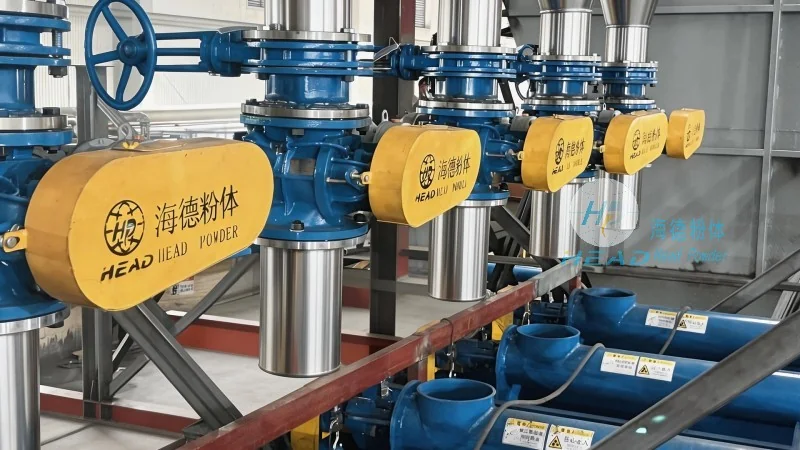
Effective pressure control is vital for safe and efficient operation. The system must include pressure regulators and control valves to maintain optimal pressure levels, particularly important for protein powders to avoid degradation or equipment damage from excessive pressure. The air management system should prioritize energy efficiency and operational cost reduction, featuring efficient air compressors and filters to deliver clean air. Proper venting and filtration are also essential to prevent dust and particles from escaping into the environment.
Appropriate equipment selection is critical for long-term performance and reliability. This includes air compressors, dust collectors, and material feeders. The air compressor must deliver the required pressure and flow rate, equipped with a filter to remove air contaminants. The dust collector must be designed to handle fine protein powder particles and prevent clogging. The material feeder must accommodate the powder’s flowability and density for consistent, reliable feeding. Regular equipment maintenance is also essential to sustain peak efficiency and prevent breakdowns.
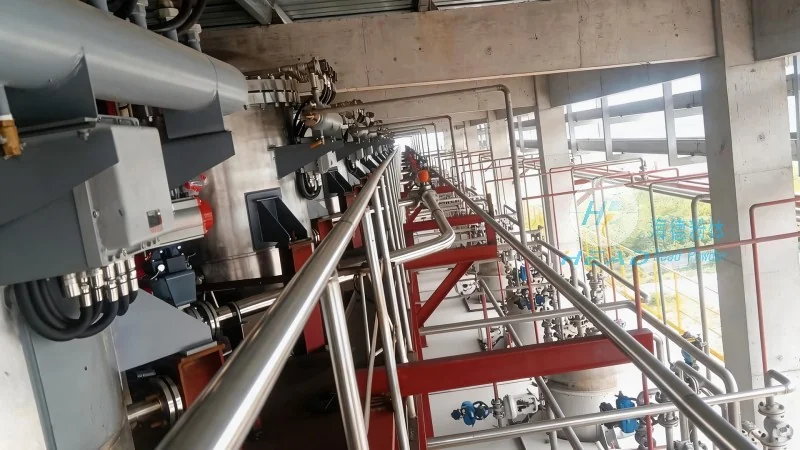
Shandong HeadPowder Engineering Co., Ltd. is a leading provider of pneumatic conveying systems for protein powder applications. With extensive industry experience, the company has developed a deep understanding of the unique challenges in transporting protein powders. HeadPowder’s team offers comprehensive design, installation, and maintenance services tailored to clients’ specific needs. The company’s commitment to quality and customer satisfaction has established it as a trusted partner in the food and beverage sector. HeadPowder’s headquarters is located in Shandong, China, serving clients domestically and internationally.

 Shandong Headpowder Engineering Co., Ltd.
 156-6277-7102(Manager Zhang)
  0531-83386006
  Zhangqiu District, Jinan City, Shandong Province, China
telephone
WeChatconsult
top