With more than 10‑year industry experience, Shandong Headpowder delivers full‑service pneumatic‑conveying systems and blowers, undertaking nationwide turn‑key powder‑handling projects.
When it comes to industrial material handling, especially for bulk materials like petroleum coke, the choice of equipment plays a crucial role in ensuring efficiency, safety, and cost-effectiveness. Among the various options available, the petroleum coke pneumatic conveying machine stands out as a reliable solution for transporting these materials over long distances or within complex industrial setups. This article aims to explore what a petroleum coke pneumatic conveying machine is and delve into its design principles, providing a comprehensive understanding for those in the industry.
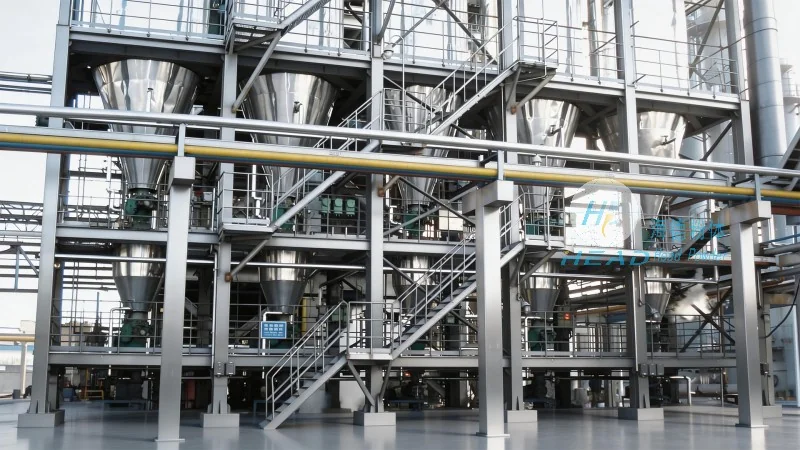
A petroleum coke pneumatic conveying machine is a specialized piece of industrial equipment designed to transport petroleum coke—a byproduct of the coking process in the petrochemical industry—through a pipeline using air or other gas as the conveying medium. Unlike traditional mechanical conveyors that rely on belts, buckets, or screws, pneumatic conveyors utilize the force of compressed air to move the material, making them ideal for handling dusty, abrasive, or high-temperature materials like petroleum coke. The machine typically consists of several key components, including a feeder, a pressure vessel or hopper, a conveying line, a separator, and a receiver. The feeder ensures a consistent flow of petroleum coke into the system, while the conveying line transports the material to the desired location. The separator then separates the material from the air, and the receiver collects the material for further processing or storage.
The design of a petroleum coke pneumatic conveying machine is based on fundamental principles of fluid dynamics and material handling. The core principle is the use of air as a carrier to move the solid material. This involves creating a pressure differential between the feeding point and the receiving point. The machine operates by first feeding the petroleum coke into a hopper or feeder, which then introduces the material into the conveying line under pressure. The compressed air, often supplied by a blower or compressor, carries the material particles through the pipeline. The design must consider several factors to ensure optimal performance:
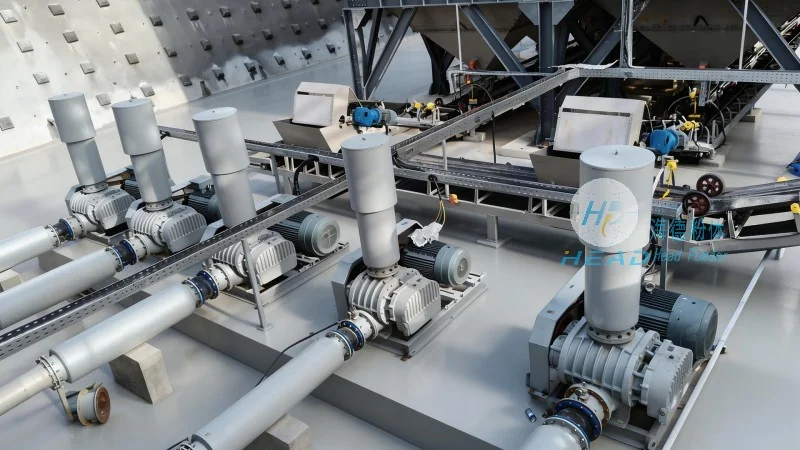
Shandong HeadPowder Engineering Co., Ltd., a leading manufacturer based in China, specializes in the design and production of high-quality petroleum coke pneumatic conveying machines. The company's products are engineered to meet the demanding requirements of the petrochemical industry, offering several key features and advantages:
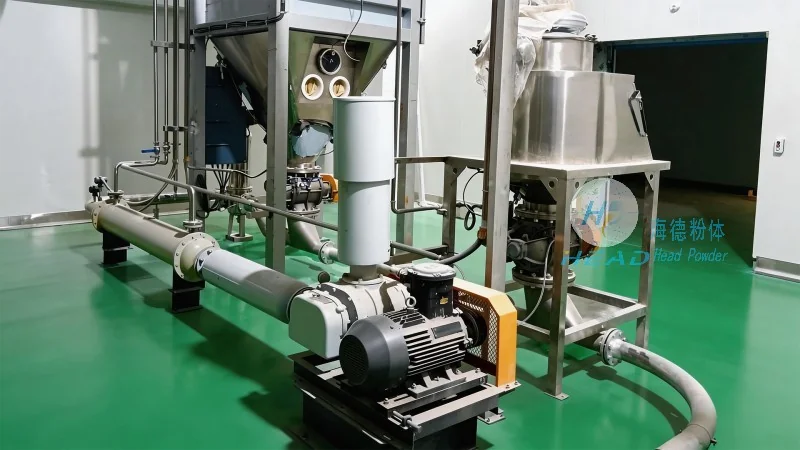
Petroleum coke pneumatic conveying machines are widely used in various industrial applications, particularly in the petrochemical and steel industries. They are employed for transporting petroleum coke from storage facilities to processing units, or from one production line to another. The benefits of using these machines include:
In conclusion, a petroleum coke pneumatic conveying machine is a vital piece of equipment for efficiently handling petroleum coke in industrial settings. Its design, based on principles of fluid dynamics and material handling, ensures reliable and consistent transport of the material. Companies like Shandong HeadPowder Engineering Co., Ltd. play a crucial role in providing high-quality, customized solutions that meet the specific needs of the industry. By understanding the design principles and benefits of these machines, industrial operators can make informed decisions to improve their material handling processes and overall operational efficiency.

 Shandong Headpowder Engineering Co., Ltd.
 156-6277-7102(Manager Zhang)
  0531-83386006
  Zhangqiu District, Jinan City, Shandong Province, China
telephone
WeChatconsult
top