With more than 10‑year industry experience, Shandong Headpowder delivers full‑service pneumatic‑conveying systems and blowers, undertaking nationwide turn‑key powder‑handling projects.
When it comes to transporting polyvinyl chloride (PVC), selecting the right method is crucial for efficiency, cost-effectiveness, and material integrity. PVC, a widely used thermoplastic, presents unique challenges during handling due to its granular or powder form, which can be sensitive to moisture and static. Traditional conveying methods like belt conveyors or screw conveyors may not always be suitable for PVC due to issues such as material degradation, blockages, or contamination risks. This article explores various PVC conveying methods, with a focus on the advantages and features of pneumatic conveying systems, which have become a preferred solution for many industries.
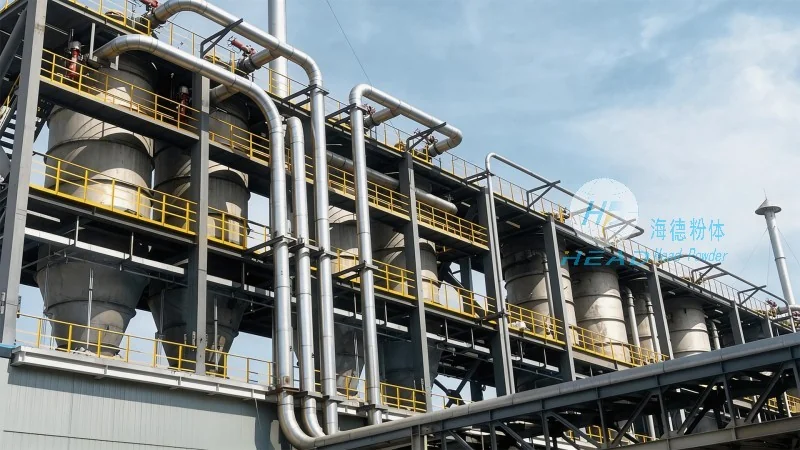
Conveying polyvinyl chloride (PVC) involves moving it from one location to another within industrial processes. The choice of method depends on factors like material properties, process requirements, and operational constraints. Traditional methods include mechanical conveyors like belt conveyors and screw conveyors, which are effective for bulk materials but may face limitations with PVC. Belt conveyors, for instance, can cause friction and heat generation, potentially affecting PVC's quality. Screw conveyors, while reliable, may lead to material degradation or blockages in the case of PVC powders. These traditional systems often require regular maintenance and can be less flexible in handling varying material flows.
Pneumatic conveying, also known as air conveying, offers a more efficient and flexible solution for PVC transport. This method uses air pressure or vacuum to move PVC particles through a pipeline. There are two main types of pneumatic conveying: pressure and vacuum systems. Pressure systems use compressed air to push the material forward, while vacuum systems use a vacuum to draw the material into the pipeline. For PVC, pressure systems are often preferred as they provide better control over material flow and can handle larger quantities with less pressure loss. Pneumatic conveying eliminates the need for mechanical parts in contact with the material, reducing the risk of contamination and material degradation. It also allows for more flexible system designs, enabling the integration of multiple conveying points and storage facilities.
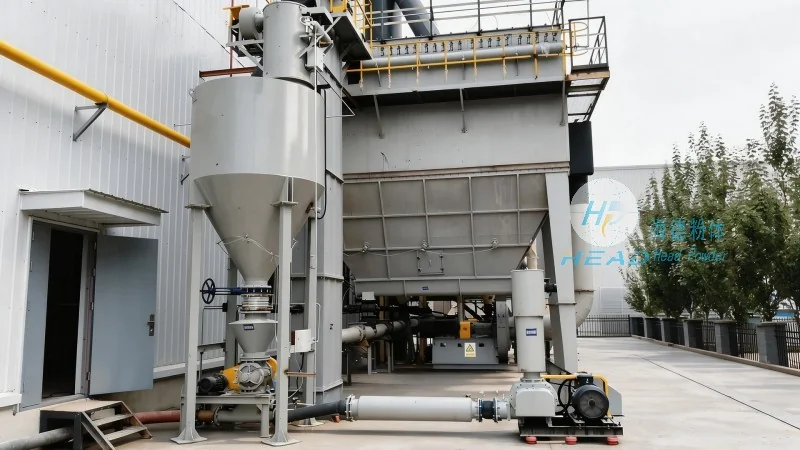
Shandong HeadPowder Engineering Co., Ltd., a leading provider of industrial conveying solutions, emphasizes several key advantages of pneumatic conveying for PVC. Firstly, pneumatic systems offer high material handling capacity, allowing for the transport of large volumes of PVC efficiently. This is particularly beneficial in large-scale production facilities where continuous material flow is essential. Secondly, pneumatic conveying reduces material degradation and contamination risks. Unlike mechanical conveyors, there are no metal parts in direct contact with the PVC, minimizing the chance of introducing impurities or causing wear and tear on the material. Thirdly, the system provides better control over material flow, enabling precise regulation of speed and pressure. This control is crucial for maintaining the quality of PVC, especially when it is used in applications where purity is critical, such as in the production of PVC pipes or films. Additionally, pneumatic conveying systems are more flexible in terms of layout, allowing for the integration of multiple processing units and storage areas without the need for extensive reconfiguration.
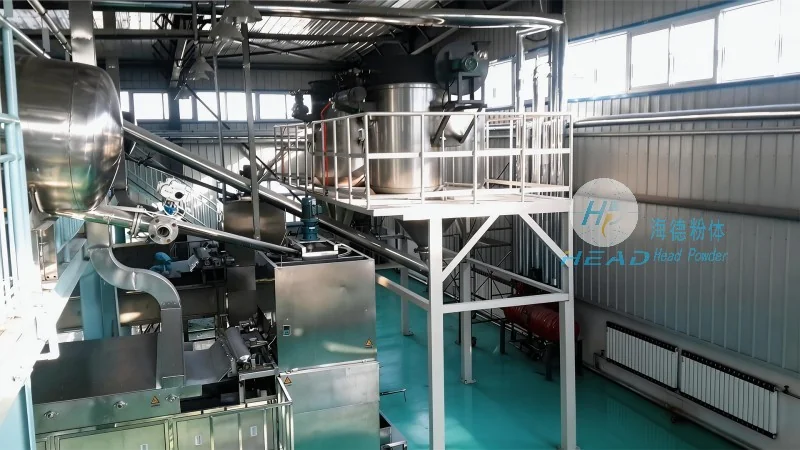
The effectiveness of PVC pneumatic conveying systems depends on several technical features. The choice of pipeline material is critical, as PVC itself is often used for the pipelines to prevent material interaction. Stainless steel or specialized plastic materials may also be used for specific applications. The system's design, including the size of the pipeline and the type of air nozzles, affects the conveying efficiency. For instance, larger pipelines reduce pressure loss but may require more space, while smaller pipelines are more compact but may need higher air pressure. The air compressor and vacuum pump, if used in vacuum systems, must be capable of maintaining consistent pressure levels to ensure smooth material transport. The system also includes components like filters and cyclones to separate the air from the material, ensuring that the conveyed PVC remains clean and free from contaminants. These features collectively contribute to the overall performance and reliability of the pneumatic conveying system.
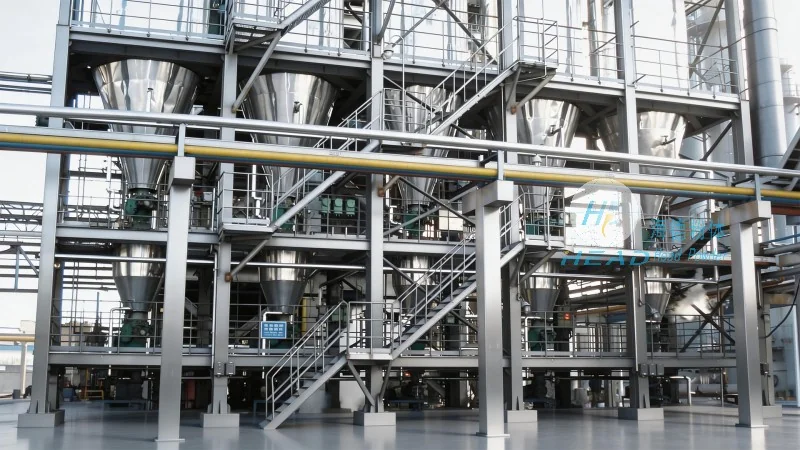
Pneumatic conveying is widely used in various stages of PVC manufacturing. In the production of PVC granules or powders, pneumatic systems are used to transport raw materials from storage silos to processing units. This ensures a continuous and controlled supply of raw materials, which is essential for maintaining production efficiency. During the compounding process, where additives are mixed with PVC, pneumatic conveying is used to transport the additives and the compounded material to the next stage of processing. This method allows for precise control over the mixing ratios, which is crucial for achieving the desired product properties. In the final stages of production, such as the extrusion of PVC pipes or the casting of PVC sheets, pneumatic conveying is used to transport the finished products or semi-finished materials to storage or packaging areas. The flexibility of pneumatic systems makes them suitable for these diverse applications, providing a reliable and efficient solution for PVC handling throughout the manufacturing process.
When selecting a conveying system for polyvinyl chloride (PVC), it is essential to consider the specific requirements of the application. While traditional mechanical conveyors may be suitable for some low-volume or low-cost operations, pneumatic conveying systems offer superior advantages for most industrial applications. The ability to handle large volumes, maintain material quality, and provide flexible system designs makes pneumatic conveying the preferred choice for many industries. Shandong HeadPowder Engineering Co., Ltd. specializes in designing and manufacturing customized pneumatic conveying systems tailored to the unique needs of PVC manufacturers. By leveraging advanced technology and expertise, the company ensures that its systems deliver optimal performance, reliability, and efficiency, helping clients improve their production processes and maintain competitive advantages in the market.

 Shandong Headpowder Engineering Co., Ltd.
 156-6277-7102(Manager Zhang)
  0531-83386006
  Zhangqiu District, Jinan City, Shandong Province, China
telephone
WeChatconsult
top