With more than 10‑year industry experience, Shandong Headpowder delivers full‑service pneumatic‑conveying systems and blowers, undertaking nationwide turn‑key powder‑handling projects.
Rice husk ash, a byproduct of rice processing, is widely used in construction and other industrial applications. To efficiently transport this material, specialized equipment is required. The rice husk ash pneumatic conveying machine is a key solution for handling such bulk materials with precision and efficiency.
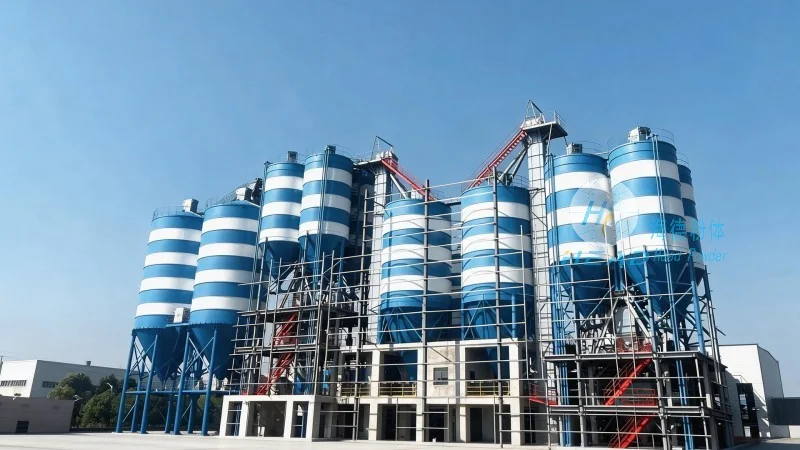
Pneumatic conveying systems utilize air or gas to transport bulk materials like rice husk ash through a pipeline network. This method offers several advantages over traditional mechanical conveying systems, including reduced maintenance, lower energy consumption, and the ability to handle materials that are dusty or have a tendency to clog. The system typically consists of a hopper for material storage, a blower or compressor to generate airflow, and a pipeline system to transport the material to its destination. The rice husk ash pneumatic conveying machine is specifically designed to handle the unique properties of rice husk ash, such as its light weight and abrasive nature.
The design of a rice husk ash pneumatic conveying machine is centered on several critical principles to ensure optimal performance. First, the system must be capable of generating sufficient airflow to move the material through the pipeline without causing excessive pressure drops or blockages. This is achieved through the use of high-efficiency blowers or compressors that can maintain consistent air pressure and volume. Second, the material handling components, such as the hopper and discharge valve, are designed to minimize material buildup and ensure smooth flow. The hopper often features a conical or rectangular shape with a sloped bottom to facilitate material discharge, while the discharge valve may be a rotary or slide valve to control the flow rate. Third, the pipeline system is constructed from materials that are resistant to abrasion and corrosion, as rice husk ash can be abrasive and may contain acidic components. Common materials for the pipeline include stainless steel or high-density polyethylene (HDPE), which provide durability and resistance to wear.
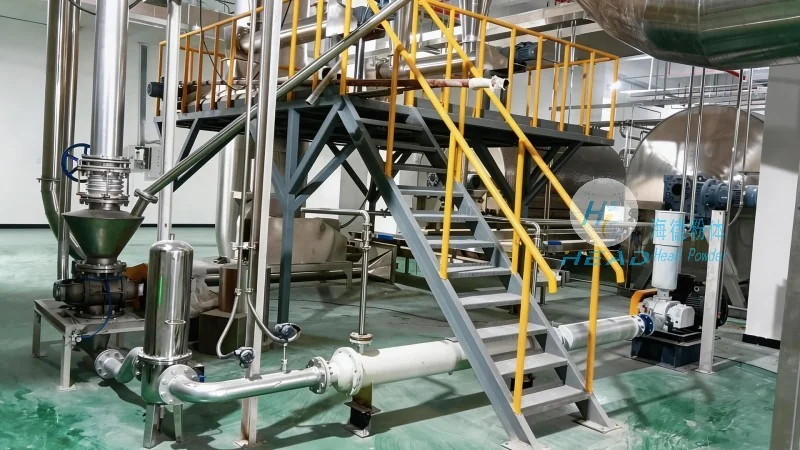
The rice husk ash pneumatic conveying machine comprises several key components, each playing a vital role in the overall operation. The hopper is the primary storage unit, where rice husk ash is collected and prepared for transport. It is typically equipped with a feeder, such as a rotary valve or screw feeder, to regulate the material flow into the pipeline. The feeder ensures a consistent feed rate, preventing overloading or underloading of the system. The blower or compressor is the heart of the system, providing the necessary airflow to move the material. It can be a positive displacement blower or a centrifugal fan, depending on the system's requirements. The pipeline system connects the hopper to the discharge point and is designed to maintain the material's suspension in the air stream. The pipeline may include bends, elbows, and other fittings to direct the material to its destination, and these components are often equipped with cleaning mechanisms to prevent blockages. Finally, the discharge unit, such as a cyclone separator or filter, is used to separate the material from the air stream and collect it in a receiving container. The cyclone separator uses centrifugal force to separate the material from the air, while the filter may be a bag filter or cartridge filter to capture fine particles.
Implementing a rice husk ash pneumatic conveying machine offers numerous benefits for industrial operations. One of the most significant advantages is the reduction in labor costs, as the system automates the material handling process, eliminating the need for manual loading and unloading. This not only increases efficiency but also improves workplace safety by reducing the risk of accidents associated with manual handling. Another advantage is the improved material quality, as the pneumatic conveying system minimizes material degradation and contamination. The system prevents material from coming into contact with other substances or being exposed to the environment, which can affect its properties. Additionally, the system is highly flexible, allowing for easy integration with existing production lines and the ability to transport materials over long distances without the need for multiple transfer points. The compact design of the machine also saves space in industrial facilities, making it suitable for both large-scale and small-scale operations.
The rice husk ash pneumatic conveying machine is widely used in various industries that utilize rice husk ash as a raw material. In the construction industry, rice husk ash is used as a lightweight aggregate in concrete and as a filler in plaster and mortar. The pneumatic conveying system is ideal for transporting the ash from storage to mixing plants or production lines. In the chemical industry, rice husk ash is used as a raw material for producing activated carbon and other chemical products. The system helps in efficiently moving the ash from processing units to storage or further processing stages. Additionally, in the agricultural industry, rice husk ash is used as a soil amendment and fertilizer. The pneumatic conveying machine enables farmers and agricultural companies to transport the ash from processing facilities to fields or storage areas. The versatility of the system makes it suitable for a wide range of applications, making it a valuable asset for any operation that handles rice husk ash.
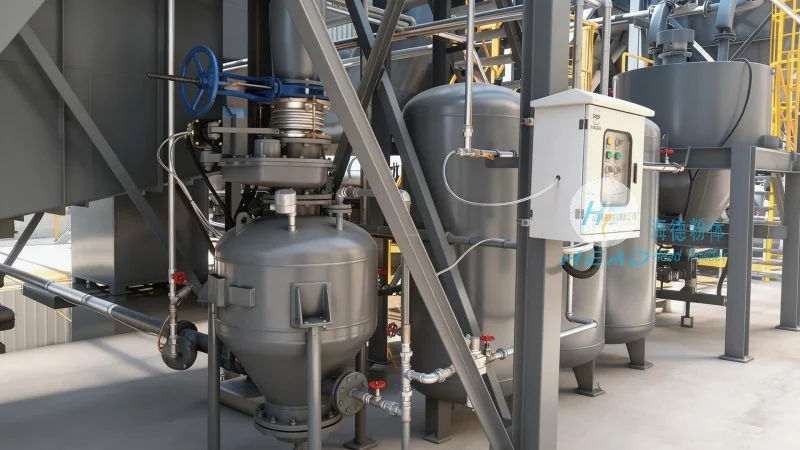
To ensure the long-term performance and reliability of a rice husk ash pneumatic conveying machine, proper maintenance and operational considerations are essential. Regular maintenance includes checking the blower or compressor for wear and tear, cleaning the pipeline and components to prevent blockages, and inspecting the feeder and discharge unit for any signs of damage or wear. The system should be operated within the recommended air pressure and flow rates to avoid excessive wear on components and to maintain optimal performance. Additionally, the material should be properly prepared before entering the system, such as by removing large debris or moisture, to prevent clogging and damage to the equipment. Proper training of operators is also crucial to ensure the safe and efficient operation of the machine. By following these maintenance and operational guidelines, the rice husk ash pneumatic conveying machine can provide reliable and efficient service for many years.
The rice husk ash pneumatic conveying machine is a sophisticated and efficient solution for handling rice husk ash in industrial applications. Its design is centered on the unique properties of the material and the need for reliable, low-maintenance operation. By incorporating advanced components and following proper maintenance procedures, the system can deliver consistent performance and contribute to the overall efficiency of industrial operations. As the demand for rice husk ash as a raw material continues to grow, the importance of efficient material handling systems like the pneumatic conveying machine will only increase. The technology behind these machines continues to evolve, with new materials and designs being developed to further improve performance and reduce costs. For industries that rely on rice husk ash, investing in a high-quality pneumatic conveying machine is a smart choice that can lead to long-term benefits and increased productivity.

 Shandong Headpowder Engineering Co., Ltd.
 156-6277-7102(Manager Zhang)
  0531-83386006
  Zhangqiu District, Jinan City, Shandong Province, China
telephone
WeChatconsult
top