With more than 10‑year industry experience, Shandong Headpowder delivers full‑service pneumatic‑conveying systems and blowers, undertaking nationwide turn‑key powder‑handling projects.
When it comes to handling chloroprene rubber, selecting the right conveying method is crucial for efficiency, material integrity, and operational safety. Chloroprene rubber, known for its excellent resistance to oil, ozone, and weathering, is widely used in industrial applications such as gaskets, seals, and rubber products. The choice of conveying system directly impacts the quality of the final product and the overall productivity of the manufacturing process. Among the various options available, pneumatic conveying stands out as a preferred method for many industries due to its ability to handle fine powders and granules with minimal degradation.
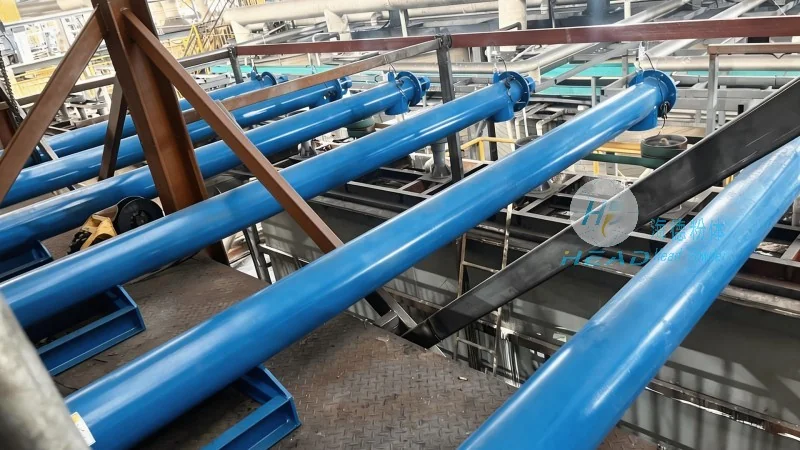
HeadPowder, a leading name in the material handling industry, specializes in providing tailored solutions for the transportation of bulk materials, including chloroprene rubber. With a strong presence in Shandong, China, HeadPowder Engineering Co., Ltd. has built a reputation for innovation and reliability in designing and manufacturing advanced conveying systems. The company’s expertise lies in understanding the unique properties of different materials and developing systems that ensure optimal performance while maintaining the highest standards of safety and efficiency. Based in Shandong, the company leverages local resources and global expertise to deliver customized solutions that meet the specific needs of its clients.
Pneumatic conveying, or air-based conveying, involves the use of compressed air to transport materials through a pipeline system. In the case of chloroprene rubber, this method is particularly effective because the material is often in a fine powder or granular form. The process typically involves a hopper or feeder that feeds the rubber into a duct, where it is entrained by the air flow and carried to the destination point, such as a storage silo or processing unit. There are two main types of pneumatic conveying systems: dilute-phase and dense-phase. Dilute-phase systems use higher air velocities to keep the material suspended in the air, making them suitable for long-distance and high-volume transport. Dense-phase systems, on the other hand, use lower air velocities and higher material concentrations, which helps in reducing product degradation and minimizing dust emissions.
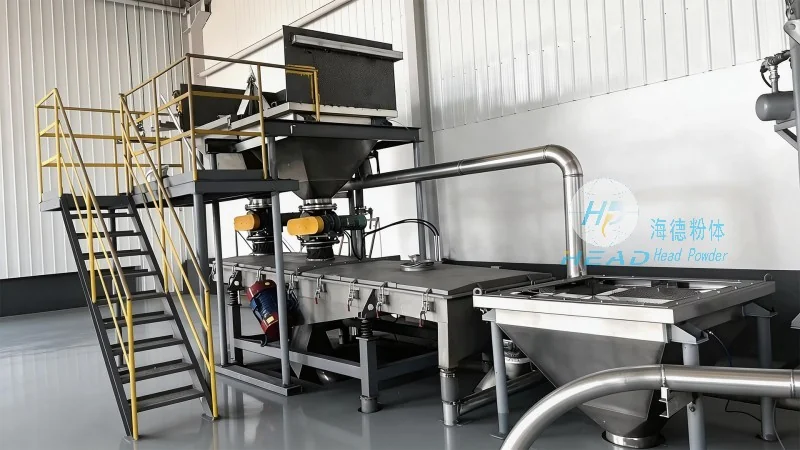
Implementing a pneumatic conveying system for chloroprene rubber offers several advantages that make it a preferred choice for many manufacturers. First, it provides a closed system, which helps in controlling dust and preventing contamination from external sources. This is particularly important for chloroprene rubber, as it is sensitive to moisture and other environmental factors that could affect its properties. Second, pneumatic conveying reduces the risk of material degradation compared to other methods like belt conveyors or screw conveyors, which may cause friction and heat buildup. Third, the system is highly flexible and can be easily integrated with existing production lines, allowing for seamless material flow from storage to processing. Additionally, pneumatic conveying systems are energy-efficient and can be designed to operate with minimal maintenance, reducing long-term operational costs.
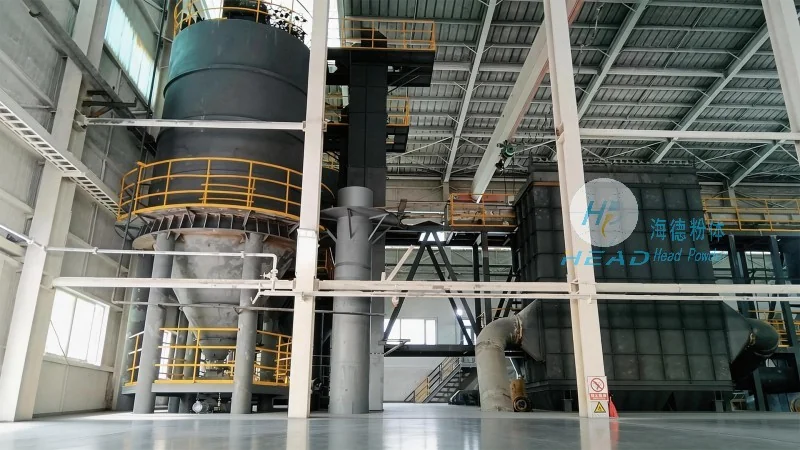
The versatility of chloroprene rubber makes it suitable for a wide range of applications, and the pneumatic conveying method is commonly used in industries such as automotive, construction, and manufacturing. In the automotive industry, chloroprene rubber is used in the production of gaskets and seals for engines and other components. The pneumatic conveying system ensures that the rubber is transported efficiently from the storage area to the production line, maintaining its quality and preventing any damage during transit. In the construction industry, chloroprene rubber is used in the manufacturing of rubber flooring and other products. The closed system of pneumatic conveying helps in keeping the material clean and free from contaminants, which is essential for meeting the high standards of quality in construction materials. Other industries that benefit from chloroprene rubber pneumatic conveying include the chemical and food processing sectors, where the material is used in the production of adhesives and other products.
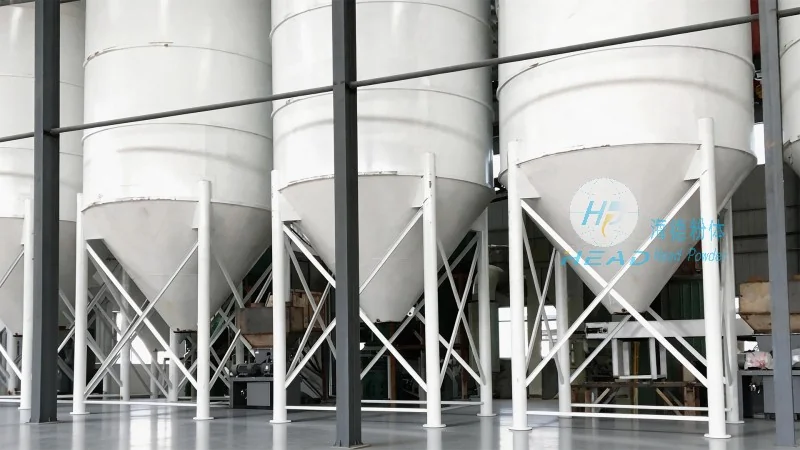
When selecting a pneumatic conveying system for chloroprene rubber, several factors need to be considered to ensure optimal performance. The first factor is the material’s properties, such as its particle size, density, and moisture content. These factors determine the type of system that is best suited for the application. For example, if the chloroprene rubber is in a fine powder form, a dilute-phase system may be more appropriate. The second factor is the distance and volume of material to be transported. For long-distance and high-volume transport, a dense-phase system may be more efficient. The third factor is the need for dust control and environmental compliance. In many regions, there are strict regulations regarding dust emissions, and a well-designed pneumatic conveying system can help in meeting these requirements. Finally, the cost of the system and its maintenance should be considered, as these factors can impact the overall operational costs of the production process.
Chloroprene rubber is a valuable material with unique properties that make it essential in many industrial applications. The choice of conveying method is critical to maintaining the quality and integrity of the material. Pneumatic conveying, particularly the dilute and dense-phase systems, offers a reliable and efficient solution for transporting chloroprene rubber. With its ability to handle fine powders, maintain material quality, and provide a closed system for dust control, pneumatic conveying is the preferred method for many manufacturers. HeadPowder Engineering Co., Ltd., based in Shandong, China, specializes in designing and manufacturing advanced pneumatic conveying systems tailored to the needs of chloroprene rubber handling. By leveraging their expertise and innovative solutions, HeadPowder helps industries improve their production efficiency and ensure the highest quality of their products.

 Shandong Headpowder Engineering Co., Ltd.
 156-6277-7102(Manager Zhang)
  0531-83386006
  Zhangqiu District, Jinan City, Shandong Province, China
telephone
WeChatconsult
top