With more than 10‑year industry experience, Shandong Headpowder delivers full‑service pneumatic‑conveying systems and blowers, undertaking nationwide turn‑key powder‑handling projects.
For industrial operations dealing with potassium sulfate, the choice of material handling equipment is critical. A potassium sulfate pneumatic conveyor is a specialized system designed to transport this chemical efficiently and safely. This equipment uses air pressure to move the material through a pipeline, offering advantages such as reduced contamination, minimal maintenance, and the ability to handle delicate or abrasive materials like potassium sulfate. In this article, we will explore the design principles behind these conveyors and how they are applied in industrial settings.
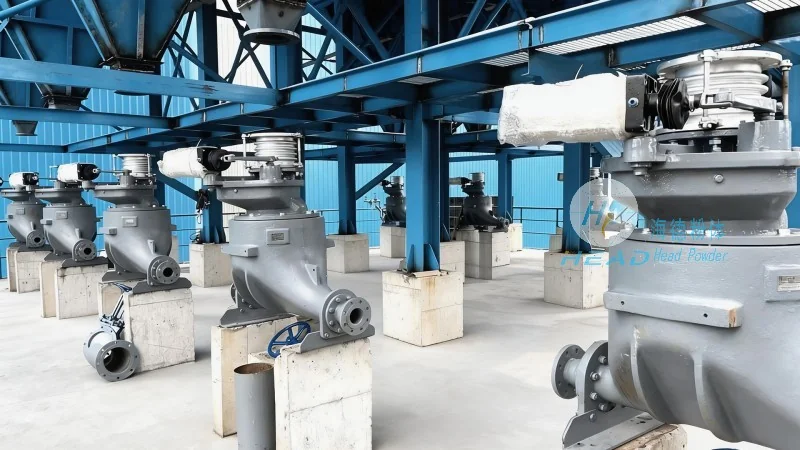
Potassium sulfate is a widely used fertilizer and industrial chemical, known for its high solubility and low moisture content. Handling this material requires equipment that can maintain its purity and prevent degradation. Traditional methods like belt conveyors or bucket elevators may introduce contamination or cause material breakdown. A pneumatic conveyor addresses these challenges by using a sealed system that isolates the material from the environment, ensuring it remains in its original state throughout the transport process.
Shandong HeadPowder Engineering Co., Ltd., based in Shandong, China, is a reputable manufacturer specializing in the design and production of pneumatic conveying systems. With years of experience in the industry, HeadPowder has developed advanced solutions tailored to the unique needs of potassium sulfate handling. Their expertise lies in creating customized systems that optimize efficiency, reduce downtime, and ensure compliance with safety and environmental standards. The company’s commitment to quality and innovation has made it a trusted partner for businesses in the fertilizer and chemical sectors.
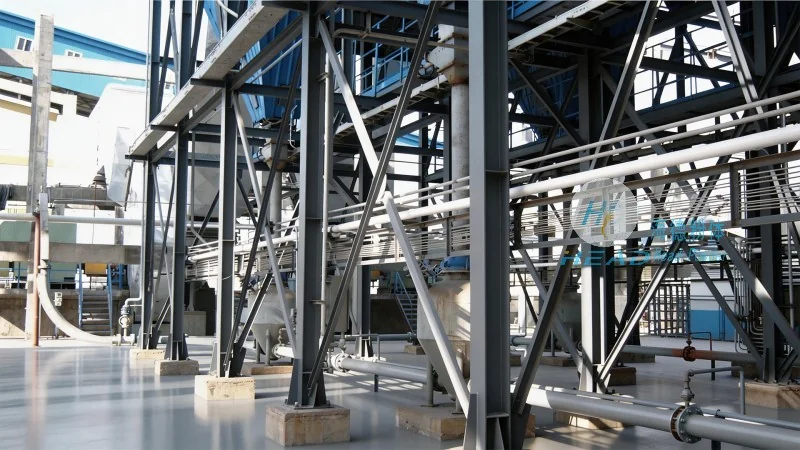
The design of a potassium sulfate pneumatic conveyor involves several key principles that ensure optimal performance. First, the system must be constructed from materials that are compatible with potassium sulfate, such as stainless steel or specialized plastics, to prevent corrosion and chemical reactions. The pipeline design is critical, with smooth internal surfaces to minimize friction and material wear. The air pressure system is carefully engineered to maintain consistent flow rates, preventing blockages or uneven material distribution. Additionally, the conveyor includes features like air filters and moisture separators to maintain the purity of the conveyed material and protect the equipment from damage.
A typical potassium sulfate pneumatic conveyor consists of several key components. The hopper or loading chamber is where the material is introduced, often equipped with a feeder to control the flow rate. The pipeline network connects the loading point to the discharge point, with appropriate bends and fittings to guide the material. The air compressor generates the necessary pressure to move the material through the system, while the air filter removes contaminants from the compressed air. The discharge system, such as a cyclone or rotary valve, separates the material from the air and collects it in a storage bin or processing unit. Each component is designed to work in harmony, ensuring smooth and reliable operation.
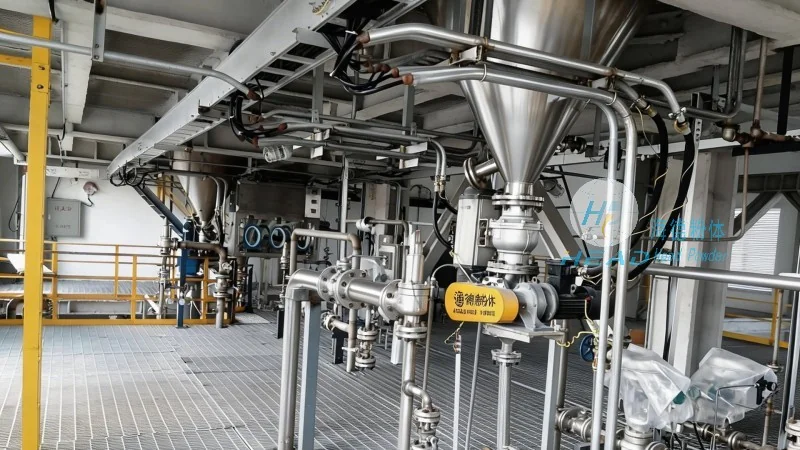
Implementing a pneumatic conveyor for potassium sulfate offers numerous benefits. One of the primary advantages is the ability to maintain product purity, as the sealed system prevents cross-contamination from other materials or the environment. This is particularly important for fertilizer applications where product quality directly impacts crop yield. Additionally, pneumatic conveyors are more energy-efficient than traditional methods, as they use less power to move the material over long distances. The system also reduces labor costs by automating the material handling process, minimizing the need for manual intervention. Furthermore, the compact design of pneumatic conveyors allows for easier integration into existing industrial layouts, saving space and reducing installation costs.
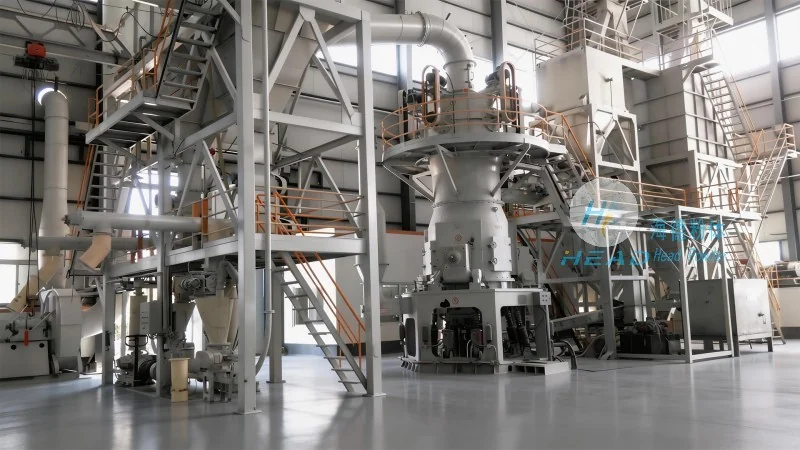
Potassium sulfate pneumatic conveyors are used in a variety of industries, including agriculture, chemical manufacturing, and food processing. In the fertilizer industry, these systems are essential for transporting potassium sulfate from storage facilities to processing plants or directly to farms. In chemical manufacturing, they are used to move the material between production stages, ensuring a continuous and controlled process. The food industry also benefits from these conveyors when handling potassium sulfate as a food additive, as the sealed system prevents contamination and maintains product safety. Regardless of the industry, the consistent performance and reliability of pneumatic conveyors make them a preferred choice for handling potassium sulfate.
To ensure the longevity and efficiency of a potassium sulfate pneumatic conveyor, regular maintenance is essential. This includes checking the air compressor for proper operation, inspecting the pipeline for leaks or blockages, and cleaning the air filters and moisture separators. The feeder system should also be monitored to ensure consistent material flow. Proper maintenance not only extends the life of the equipment but also minimizes downtime and reduces repair costs. Additionally, operators should be trained on the proper use of the conveyor to prevent accidents and ensure safe operation. By following these guidelines, businesses can maximize the performance of their pneumatic conveying system and maintain the quality of their potassium sulfate products.

 Shandong Headpowder Engineering Co., Ltd.
 156-6277-7102(Manager Zhang)
  0531-83386006
  Zhangqiu District, Jinan City, Shandong Province, China
telephone
WeChatconsult
top