With more than 10‑year industry experience, Shandong Headpowder delivers full‑service pneumatic‑conveying systems and blowers, undertaking nationwide turn‑key powder‑handling projects.
When it comes to the efficient and reliable transport of milk powder, selecting the right conveying method is crucial for maintaining product quality and operational efficiency. Among the various options available, pneumatic conveying stands out as a preferred solution for many industries. This article provides an overview of common milk powder conveying methods, with a focus on the advantages and applications of pneumatic systems.
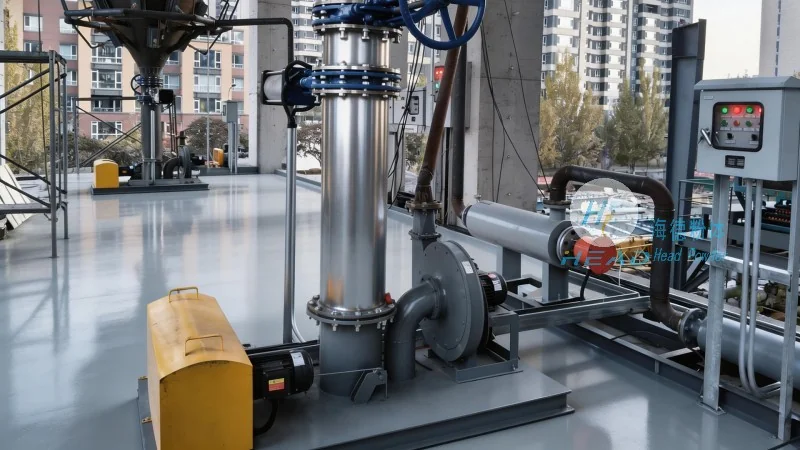
Milk powder, being a fine and often hygroscopic powder, presents unique challenges during transportation. Traditional methods like manual handling or mechanical conveyors may not be suitable due to the risk of contamination, product degradation, or inefficient material flow. The need for a system that can handle the delicate nature of milk powder while ensuring minimal dust generation and consistent flow rates has driven the development of specialized conveying technologies. Pneumatic conveying, in particular, addresses these challenges by utilizing air to move the powder through a closed system, reducing the risk of cross-contamination and maintaining product integrity.
Pneumatic conveying for milk powder involves the use of air pressure to transport the powder from one location to another. This method can be categorized into two main types: pressure and vacuum systems. Pressure systems use compressed air to push the powder through the pipeline, while vacuum systems use a vacuum to draw the powder into the system. Both types offer advantages depending on the specific application, such as the distance to be covered, the volume of material, and the need for gentle handling. The key components of a pneumatic conveying system include the hopper, feeder, pipeline, and receiver. The hopper holds the milk powder, and the feeder controls the flow rate. The pipeline transports the powder, and the receiver collects the material at the destination. This closed-loop system minimizes exposure to the environment, which is critical for maintaining the quality of milk powder, especially when it is sensitive to moisture or temperature changes.
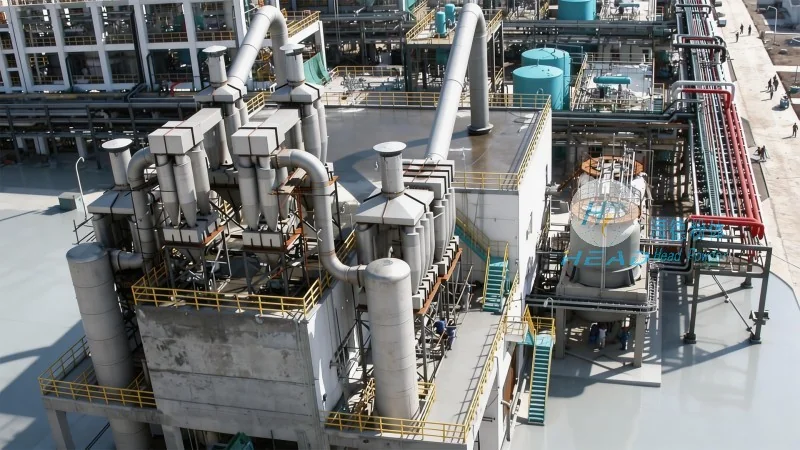
One of the primary benefits of pneumatic conveying is its ability to handle fine powders without the need for mechanical parts that could cause wear or contamination. The enclosed system also reduces dust emissions, making it more environmentally friendly and safer for operators. Additionally, pneumatic systems can be designed to operate at low or high pressures, allowing for flexibility in conveying distances and material characteristics. For milk powder, which is often sensitive to pressure and flow rates, the gentle handling provided by pneumatic systems helps preserve the product's nutritional value and texture. Furthermore, the ability to integrate with other processing equipment, such as mixers or packaging machines, enhances overall production efficiency. The scalability of pneumatic conveying systems also makes them suitable for both small-scale and large-scale operations, adapting to the changing needs of the dairy industry.
Pneumatic conveying is widely used in the dairy industry for various applications, from raw material handling to finished product packaging. In the production of milk powder, the system is used to transport the powder from storage silos to processing lines, ensuring a continuous and controlled flow. During the blending process, pneumatic conveyors can mix different types of milk powder or add flavorings and nutrients, maintaining uniformity in the final product. The system is also employed in packaging lines, where it transports the powder into bags or containers with precision, reducing the risk of spills or overfilling. The versatility of pneumatic conveying allows it to be integrated into existing production facilities with minimal modifications, making it a cost-effective solution for dairy manufacturers.
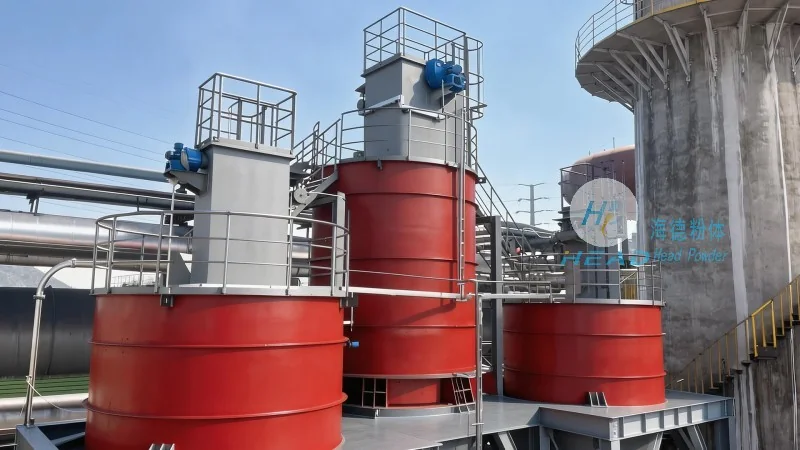
While pneumatic conveying offers numerous benefits, there are several factors to consider when implementing such a system for milk powder. The first is the material characteristics of the powder, including its particle size, density, and flowability. These properties affect the system's design, such as the type of feeder and the pressure required. The distance and layout of the conveying route also play a role, as longer distances may require higher pressure or additional components like cyclones or filters to maintain efficiency. Maintenance is another consideration, as pneumatic systems require regular cleaning and inspection to prevent blockages or wear. Proper training for operators is essential to ensure the system operates correctly and safely. Additionally, the cost of installation and operation should be evaluated, as pneumatic systems can be more expensive to set up than traditional methods but offer long-term savings through reduced downtime and product loss.
In conclusion, pneumatic conveying is a highly effective method for transporting milk powder, offering advantages in terms of product quality, operational efficiency, and environmental impact. By understanding the specific needs of the dairy industry and selecting the appropriate pneumatic system, manufacturers can ensure the reliable and safe handling of their products. The expertise of companies like Shandong HeadPowder Engineering Co., Ltd. can be invaluable in designing and implementing customized pneumatic conveying solutions that meet the unique requirements of each operation. With the right system in place, dairy manufacturers can enhance their production processes, maintain product integrity, and meet the demands of a competitive market.

 Shandong Headpowder Engineering Co., Ltd.
 156-6277-7102(Manager Zhang)
  0531-83386006
  Zhangqiu District, Jinan City, Shandong Province, China
telephone
WeChatconsult
top