With more than 10‑year industry experience, Shandong Headpowder delivers full‑service pneumatic‑conveying systems and blowers, undertaking nationwide turn‑key powder‑handling projects.
Carboxymethyl cellulose (CMC) is a widely used industrial chemical, often employed as a thickening agent, stabilizer, and emulsifier in various sectors such as food, pharmaceuticals, and construction. The efficient and safe delivery of CMC is crucial for maintaining product quality and operational efficiency in processing plants. Among the various methods available, pneumatic conveying stands out as a preferred technique for transporting CMC, especially in bulk quantities. This article explores the different delivery methods for CMC and highlights the key advantages and characteristics of air-driven pneumatic conveying, providing insights into how these methods can optimize material handling processes. The information presented is based on the expertise of Shandong HeadPowder Engineering Co., Ltd., a leading provider of bulk material handling solutions in China.
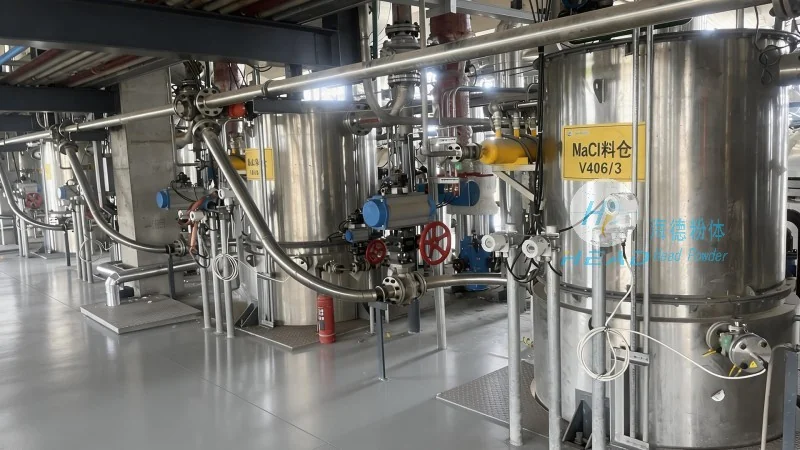
Carboxymethyl cellulose, due to its fine powder form and hygroscopic nature, requires specialized handling to prevent caking, segregation, and loss of quality during transport. Traditional methods like manual handling or simple mechanical conveyors are often inadequate for large-scale operations. Consequently, several delivery methods have been developed to address these challenges. The primary methods include bulk handling systems, such as screw conveyors, belt conveyors, and pneumatic conveying systems. Each method has its own set of advantages and limitations, making the selection of an appropriate system critical for industrial applications.
Pneumatic conveying, also known as air-driven conveying, is a technology that uses compressed air to transport dry bulk materials like CMC through a pipeline. This method offers several benefits that make it particularly suitable for CMC. First, it provides a dust-free and enclosed environment, which is essential for maintaining product purity and preventing contamination. Unlike mechanical conveyors that may generate dust and cause environmental issues, pneumatic systems keep the material contained within the pipeline, reducing the risk of exposure to air and moisture. Second, pneumatic conveying allows for the transport of CMC over long distances with minimal pressure drop, ensuring consistent flow rates and preventing material degradation. The system's flexibility also enables the integration of multiple processing units, such as mixing, drying, and packaging, into a single, streamlined operation.
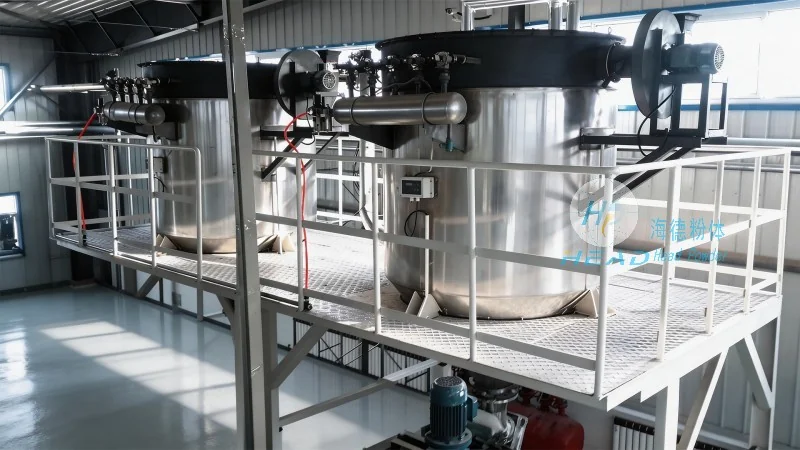
When compared to other delivery methods, air-driven pneumatic conveying offers distinct advantages that enhance the efficiency and safety of CMC handling. One of the most significant benefits is the ability to handle fine powders without the need for excessive mechanical force, which can cause agglomeration or degradation of the material. The low shear forces in pneumatic systems preserve the particle size distribution and physical properties of CMC, ensuring that the final product meets the required specifications. Additionally, pneumatic conveying systems are highly adaptable to varying production volumes, allowing for easy scaling up or down based on operational needs. This flexibility is particularly valuable in industries where demand fluctuates, as it enables manufacturers to adjust their material handling capacity without significant capital investment.
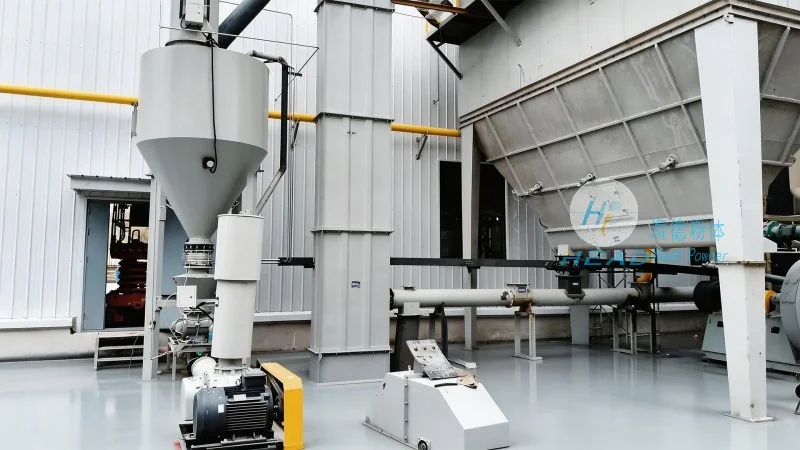
The effectiveness of pneumatic conveying for CMC depends on several technical factors that must be carefully considered during system design and operation. The choice of conveying air velocity is critical; too low a velocity may cause material deposition and blockages, while too high a velocity can lead to excessive energy consumption and wear on the system components. The system's pressure and flow rate must be optimized to maintain a stable and continuous flow of CMC. Furthermore, the material's properties, such as its bulk density, flowability, and moisture content, influence the design of the conveying pipeline and the selection of appropriate equipment like cyclones and filters. Proper maintenance of the system, including regular cleaning of filters and inspection of pipeline integrity, is essential to prevent downtime and ensure long-term reliability.
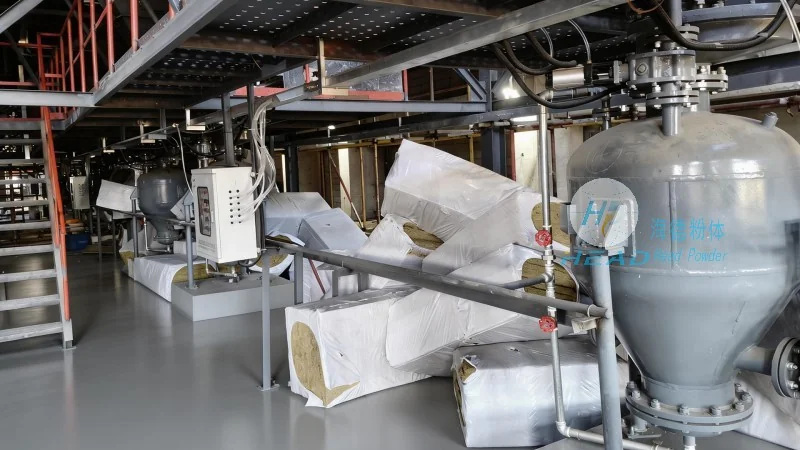
The advantages of pneumatic conveying have been widely recognized in various industries that utilize CMC. For instance, in the food industry, CMC is used as a thickener in sauces and dressings, and pneumatic systems enable the efficient transfer of the powder from storage silos to production lines without compromising product quality. In the pharmaceutical sector, where CMC is used as a binder or disintegrant in tablets, the enclosed and dust-free nature of pneumatic conveying ensures that the material remains sterile and free from contamination, meeting stringent regulatory requirements. Similarly, in the construction industry, CMC is used as a water-retaining agent in concrete, and pneumatic delivery systems facilitate the precise dosing of the powder into mixing plants, improving the consistency and performance of the final product.
Carboxymethyl cellulose is a versatile chemical with diverse applications, and the choice of delivery method significantly impacts the efficiency and quality of its handling. Among the available options, air-driven pneumatic conveying emerges as a superior solution for bulk CMC transport, offering benefits such as dust-free operation, long-distance transport capability, and material preservation. To maximize the advantages of pneumatic conveying, it is essential to select a system that matches the specific characteristics of the CMC and the operational requirements of the plant. Proper system design, regular maintenance, and adherence to industry best practices will ensure optimal performance and reliability. As industries continue to demand higher standards of efficiency and safety in material handling, pneumatic conveying will likely remain a key technology for the effective delivery of carboxymethyl cellulose and other fine powders.

 Shandong Headpowder Engineering Co., Ltd.
 156-6277-7102(Manager Zhang)
  0531-83386006
  Zhangqiu District, Jinan City, Shandong Province, China
telephone
WeChatconsult
top