With more than 10‑year industry experience, Shandong Headpowder delivers full‑service pneumatic‑conveying systems and blowers, undertaking nationwide turn‑key powder‑handling projects.
Wood dust, a common byproduct in woodworking and related industries, requires efficient and reliable conveying systems to ensure safe and effective material handling. The choice of conveying method significantly impacts operational efficiency, safety, and overall production quality. This article explores common wood dust conveying methods, with a focus on pneumatic conveying systems, which are widely recognized for their effectiveness in handling fine particulate materials like wood dust.
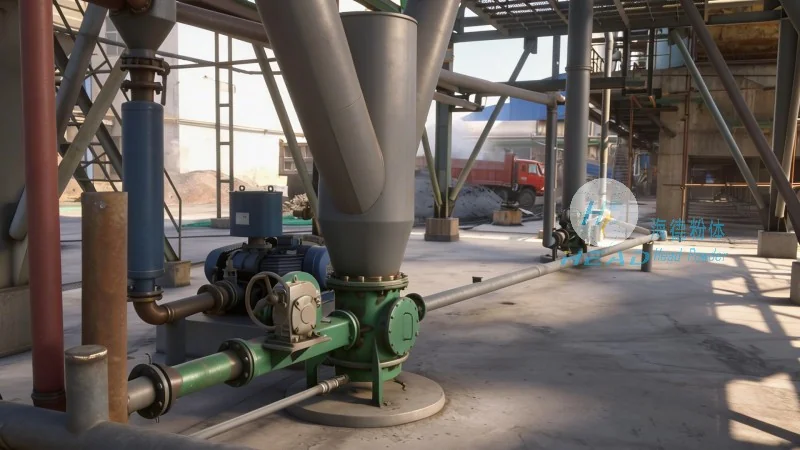
Before delving into specific conveying methods, it's essential to understand the fundamental principles of wood dust handling. Wood dust, typically consisting of fine particles from sawdust, shavings, or other wood processing byproducts, poses unique challenges due to its lightweight, abrasive, and sometimes flammable nature. Conveying systems must address these characteristics to prevent dust accumulation, ensure proper material transport, and maintain a safe working environment. The primary goal of any wood dust conveying system is to move the material from its source to a collection or processing point with minimal loss, contamination, or operational disruption.
Several methods are employed for wood dust transport, each with its own advantages and limitations. The most common approaches include mechanical conveying (such as screw conveyors and belt conveyors) and pneumatic conveying (including pressure and vacuum systems). Mechanical systems are often preferred for bulk materials and larger particles, while pneumatic systems excel in handling fine, dry dust with high efficiency and minimal maintenance. For wood dust, pneumatic conveying is particularly advantageous due to its ability to transport materials over long distances and through complex layouts without the need for physical contact, reducing wear and tear on equipment.
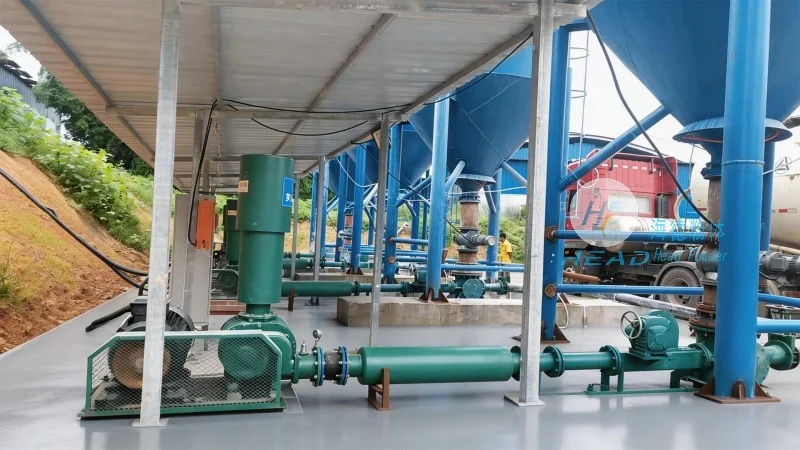
Pneumatic conveying systems utilize air or gas to transport solid materials, making them ideal for wood dust applications. These systems can be categorized into two main types: pressure and vacuum. Pressure systems operate by forcing air through a pipeline at high pressure, pushing the material forward. Vacuum systems, on the other hand, create a negative pressure to draw the material into the pipeline. Both methods are effective, but the choice depends on factors such as the distance to be covered, the volume of material, and the layout of the facility.
Effective pneumatic conveying of wood dust relies on several critical components. The system typically includes a dust collector or source hopper to capture the material, a blower or compressor to generate the necessary air pressure, a pipeline network to transport the material, and a receiver or discharge point for collection. Key components also include filters and cyclones to separate the dust from the air, ensuring that the material is not lost and that the air is clean for re-use or exhaust. The design of these components is crucial for optimal performance, as improper sizing or placement can lead to reduced efficiency or equipment failure.
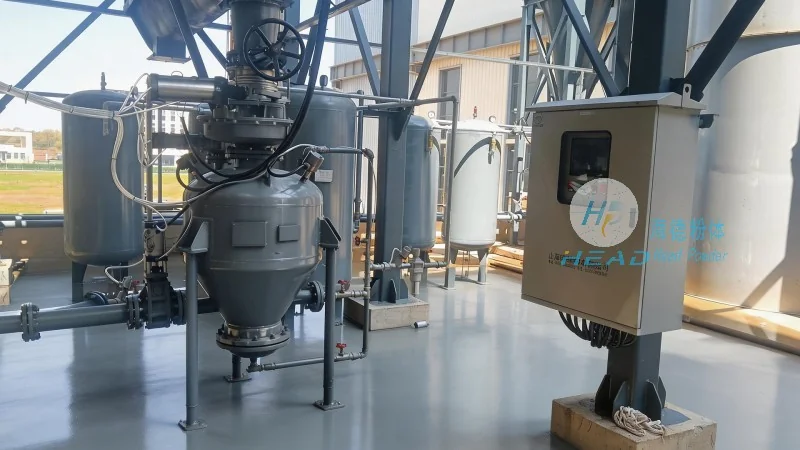
Compared to mechanical conveying methods, pneumatic systems offer several advantages for wood dust handling. One of the most significant benefits is the ability to transport fine particles over long distances without the need for physical contact, which minimizes wear and reduces the risk of material degradation. Pneumatic systems also allow for flexible layouts, as pipelines can be easily routed around obstacles or through different areas of a facility. Additionally, these systems can handle varying material volumes and particle sizes, making them adaptable to changing production needs. Another key advantage is the reduced risk of dust accumulation and fire hazards, as the material is continuously moved and contained within the pipeline.
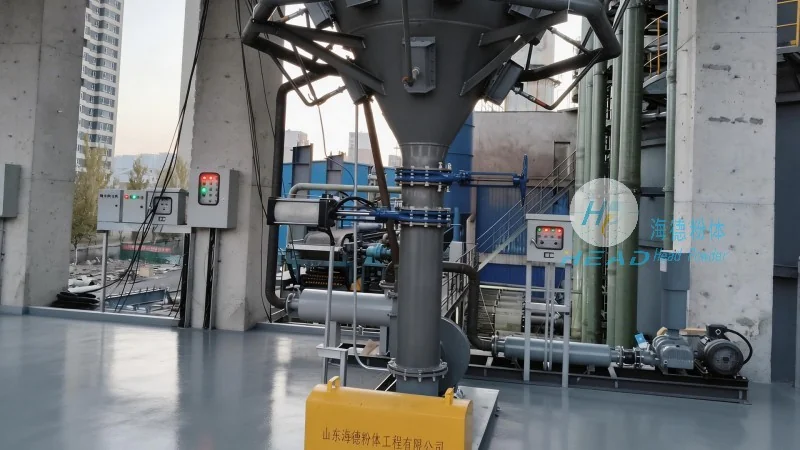
When selecting a wood dust conveying system, several factors must be considered to ensure optimal performance and safety. The first consideration is the material's properties, including particle size, moisture content, and abrasiveness. These characteristics will influence the choice of system type and components. The second factor is the distance and layout of the facility, as this will determine the required system capacity and complexity. Cost is also a critical consideration, as pneumatic systems can be more expensive to install and maintain than mechanical alternatives, though their long-term efficiency often justifies the investment. Finally, safety regulations and environmental requirements must be addressed, as wood dust is a potential fire hazard and may require specific handling and disposal protocols.
For businesses dealing with wood dust, selecting the appropriate conveying system is essential for maintaining operational efficiency and safety. While mechanical systems have their place, pneumatic conveying systems, particularly pressure and vacuum types, offer superior performance for fine wood dust. By understanding the key components, advantages, and considerations of these systems, companies can make informed decisions that enhance their production processes and reduce operational risks. As a leading provider of wood dust conveying solutions, Shandong HeadPowder Engineering Co., Ltd. specializes in designing and manufacturing customized systems tailored to the specific needs of woodworking and related industries, ensuring reliable and efficient material handling for their clients.

 Shandong Headpowder Engineering Co., Ltd.
 156-6277-7102(Manager Zhang)
  0531-83386006
  Zhangqiu District, Jinan City, Shandong Province, China
telephone
WeChatconsult
top