With more than 10‑year industry experience, Shandong Headpowder delivers full‑service pneumatic‑conveying systems and blowers, undertaking nationwide turn‑key powder‑handling projects.
Understanding the fundamental principles of cement aggregate pneumatic conveying equipment is crucial for optimizing material handling processes in construction and industrial applications. This equipment efficiently transports bulk materials like cement, aggregates, and powders through a pressurized or vacuum system, offering advantages over traditional methods such as reduced labor costs, minimized contamination, and enhanced safety in material transfer.
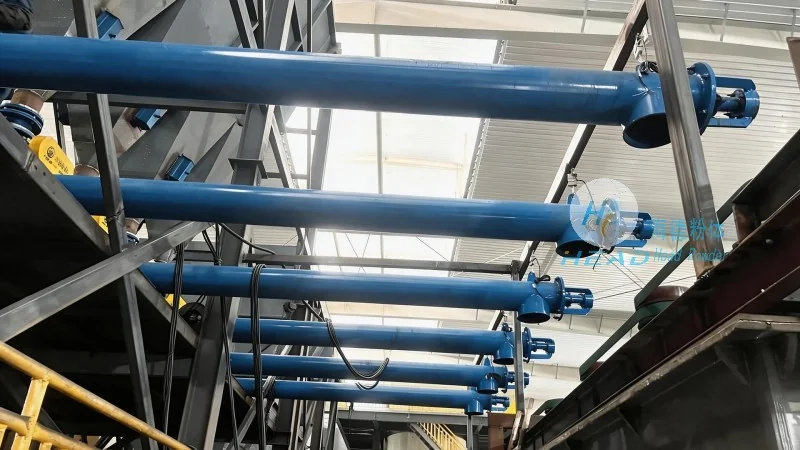
The operation of cement aggregate pneumatic conveying systems relies on several key components that work in concert to achieve seamless material transport. The primary components include a hopper for material storage, a conveying pipeline, a fan or blower to generate airflow, and a separator to separate the conveyed material from the air. When material is introduced into the hopper, the fan creates a pressure differential that draws the material into the pipeline. The air flow then carries the material through the system, and the separator uses cyclonic action or filtration to separate the material from the air stream, allowing the material to be deposited at the destination while the air is either recirculated or discharged.
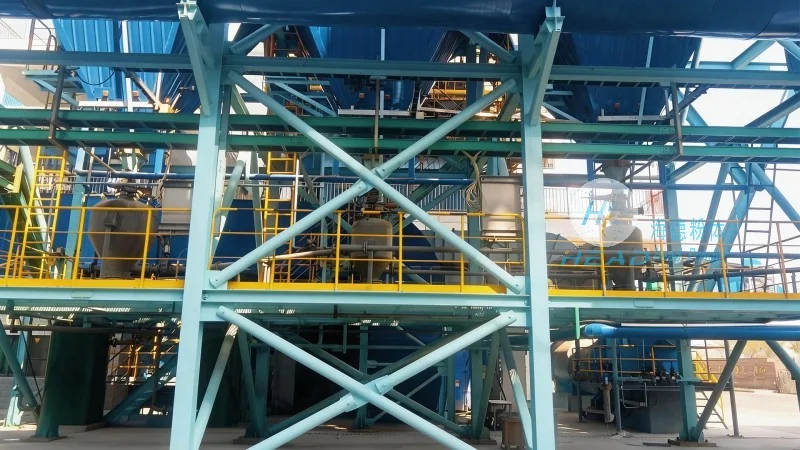
There are two main categories of pneumatic conveying systems: pressure and vacuum. Pressure systems operate by forcing air and material through the pipeline using a positive pressure fan, typically used for short to medium distances and high material flow rates. Vacuum systems, on the other hand, use a negative pressure fan to draw material into the pipeline, suitable for longer distances and lower flow rates. Both systems can be further classified into dilute phase and dense phase, depending on the air-to-material ratio. Dilute phase systems use high air velocities to transport material in a dispersed state, while dense phase systems use lower velocities and higher material concentrations to ensure stable transport and prevent material degradation.
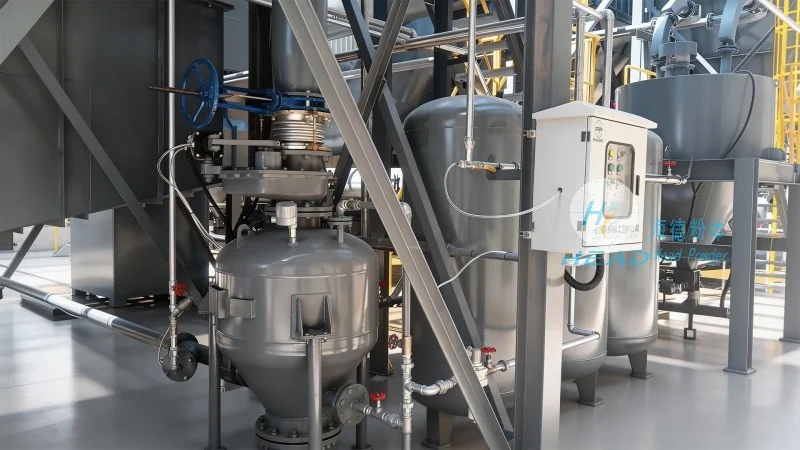
Implementing pneumatic conveying equipment for cement and aggregate handling offers numerous benefits that enhance operational efficiency and product quality. One of the most significant advantages is the reduction in material handling time and labor costs, as the system automates the transfer process from source to destination. Additionally, pneumatic conveying minimizes material contamination, which is critical for cement and aggregates used in construction, as cross-contamination can affect the final product's performance. The enclosed system also improves workplace safety by eliminating dust exposure and reducing the risk of accidents associated with manual handling. Furthermore, these systems can be integrated with other processing equipment, such as mixers or storage silos, creating a streamlined production line that enhances overall productivity.
Cement aggregate pneumatic conveying equipment is widely utilized in various industries, particularly in the construction sector, where efficient material transport is essential for project timelines. In concrete production facilities, these systems are used to move raw materials like cement, sand, and gravel from storage silos to mixing plants, ensuring a consistent and controlled supply of materials. The equipment also finds applications in mining operations, where it transports ore and other bulk materials from processing plants to storage or transportation points. Additionally, in chemical and pharmaceutical industries, similar pneumatic conveying systems are employed to handle powders and granules, leveraging the same principles of air-based transport to maintain product integrity and safety.
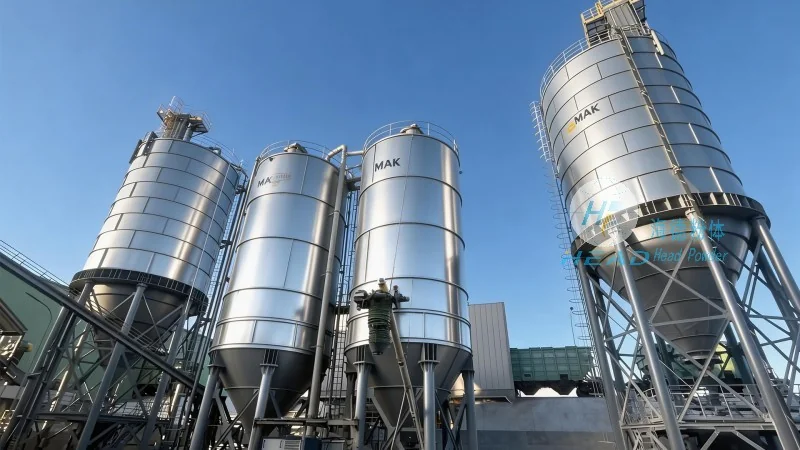
Designing an effective pneumatic conveying system for cement aggregates requires careful consideration of several technical factors to ensure optimal performance and longevity. The first consideration is the material characteristics, including particle size, density, and moisture content, as these properties affect the air-to-material ratio and system pressure requirements. For example, fine cement particles may require higher air velocities to prevent clogging, while larger aggregates may need lower velocities to maintain stable transport. The system's layout, including pipeline length, diameter, and bends, also impacts performance, as excessive bends or long distances can increase pressure drop and reduce conveying efficiency. Additionally, the choice of fan type and capacity is critical, as it determines the system's ability to generate sufficient airflow and pressure to move the material. Proper maintenance of the system, including regular cleaning of the separator and pipeline, is also essential to prevent material buildup and ensure consistent operation.

 Shandong Headpowder Engineering Co., Ltd.
 156-6277-7102(Manager Zhang)
  0531-83386006
  Zhangqiu District, Jinan City, Shandong Province, China
telephone
WeChatconsult
top