With more than 10‑year industry experience, Shandong Headpowder delivers full‑service pneumatic‑conveying systems and blowers, undertaking nationwide turn‑key powder‑handling projects.
Pneumatic conveying equipment designed for puffing plastics is a specialized solution that efficiently transports lightweight, irregularly shaped materials. The system operates by using compressed air to move the plastic particles through a pipeline network. This method is particularly effective for materials that are difficult to handle with traditional mechanical conveyors due to their low density and tendency to create dust or static.
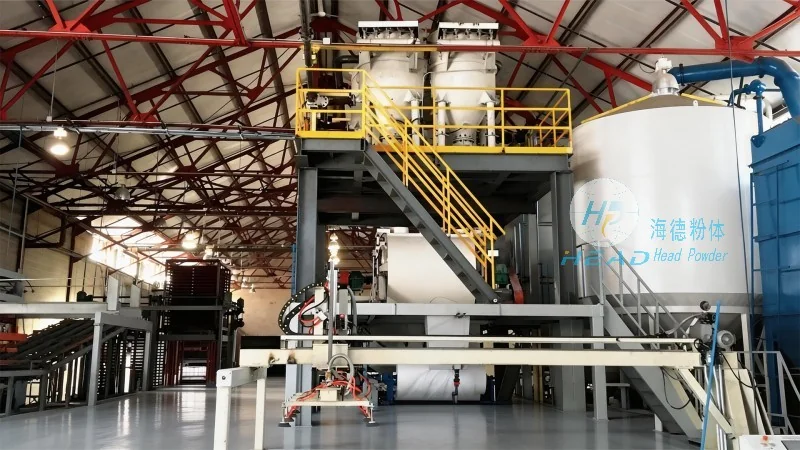
The core principle involves generating a pressure differential between the inlet and outlet of the conveying line. Compressed air is introduced at the inlet, creating a flow that draws the plastic particles into the pipeline. The air velocity is carefully controlled to ensure the particles remain suspended without settling or clogging the system. The equipment typically includes a hopper for material storage, a blower or compressor to supply air, and a series of ducts or pipes that guide the material to its destination.
Several critical components work in tandem to ensure efficient operation. The hopper, often equipped with a feeding mechanism like a rotary valve or vibratory feeder, controls the flow of plastic into the system. The blower or air compressor provides the necessary pressure and volume of air. The pipeline system, which may include straight sections, bends, and elbows, is designed to minimize pressure loss and maintain consistent air velocity. Additionally, filters and cyclones are often integrated to separate the plastic from the air stream, ensuring clean material delivery and preventing contamination.
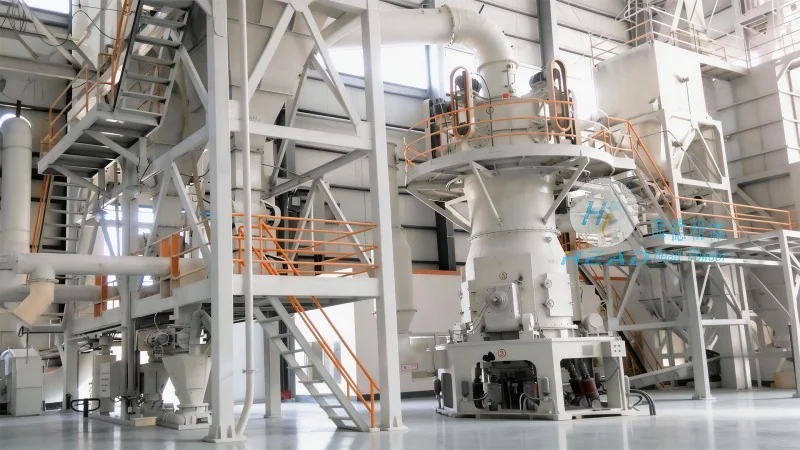
Compared to other material handling methods, pneumatic conveying offers several advantages for puffing plastics. It is a dust-free operation, which is crucial for maintaining a clean and safe working environment. The system is also capable of handling materials with high moisture content or those that are prone to static discharge. Furthermore, it can transport materials over long distances without the need for multiple transfer points, reducing the risk of material degradation or loss.
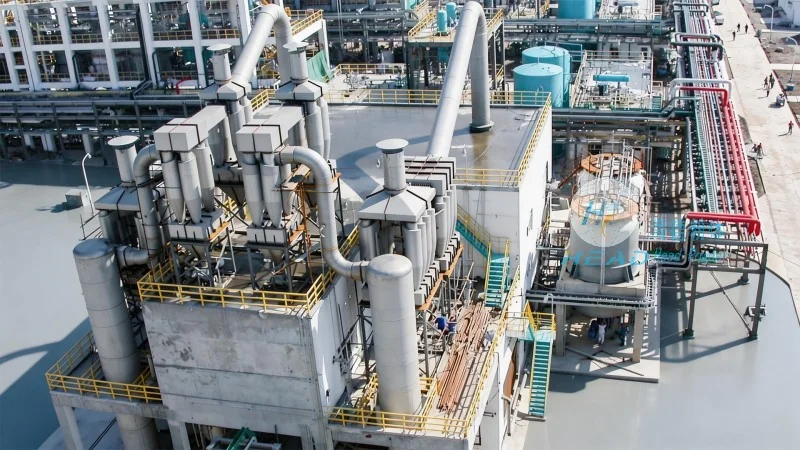
These systems are commonly used in the manufacturing of foam products, where the plastic particles need to be transported from storage to processing equipment. For instance, in the production of expanded polystyrene (EPS) or polyethylene foam, the puffing plastic is conveyed from a silo to a molding machine. The efficiency of the pneumatic system ensures that the material is delivered quickly and consistently, meeting the demands of high-volume production lines.
HeadPowder, a leading manufacturer in the field, specializes in designing and supplying pneumatic conveying solutions tailored to the needs of the plastic processing industry. With facilities located in Shandong, China, the company leverages advanced engineering and manufacturing capabilities to produce high-quality equipment that meets international standards. Their products are known for reliability, durability, and energy efficiency, making them a trusted choice for businesses operating in the foam and plastic sectors.

 Shandong Headpowder Engineering Co., Ltd.
 156-6277-7102(Manager Zhang)
  0531-83386006
  Zhangqiu District, Jinan City, Shandong Province, China
telephone
WeChatconsult
top