

What is Cotton Seed Material Pneumatic Conveying Equipment? What are its Design Principles?
For industries dealing with cotton seed processing, efficient material handling is crucial to maintain production efficiency and product quality. Pneumatic conveying systems offer a reliable solution for transporting cotton seed from one location to another within a processing facility. This article explores the concept of cotton seed material pneumatic conveying equipment and delves into the underlying design principles that make such systems effective, with a focus on solutions provided by Shandong HeadPowder Engineering Co., Ltd., a leading manufacturer based in Shandong, China.
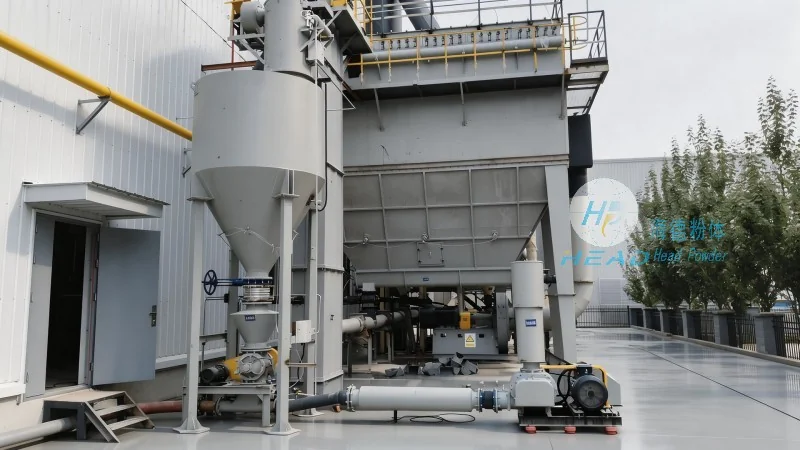
Understanding Pneumatic Conveying for Cotton Seed
Pneumatic conveying, also known as pneumatic transport, is a method of moving bulk materials through a pipeline using a stream of pressurized air or vacuum. In the context of cotton seed processing, this technology is particularly advantageous due to its ability to handle delicate and potentially sticky materials like cotton seeds without causing damage or degradation. The system typically consists of a hopper to store the material, a conveyor line (either positive pressure or negative pressure), and a receiver to collect the material at the destination.
Key Components of Cotton Seed Pneumatic Conveying Equipment
The design of a cotton seed pneumatic conveying system involves several critical components that work in tandem to ensure smooth operation. These include:

- Material Hopper: A hopper is used to store the cotton seed before it is fed into the conveying system. It is designed to hold a sufficient quantity of material to maintain a consistent flow rate, preventing interruptions in the conveying process.
- Feeder: The feeder is responsible for controlling the flow of cotton seed from the hopper into the conveyor line. It can be a rotary valve, a screw feeder, or a vibratory feeder, depending on the specific requirements of the application. The feeder must be capable of handling the bulk density and flow characteristics of cotton seed to ensure a stable and uniform feed.
- Conveying Pipeline: The pipeline is the main component that transports the cotton seed. It is usually made of stainless steel or other corrosion-resistant materials to withstand the abrasive nature of cotton seed and the effects of moisture. The pipeline is designed with appropriate bends and elbows to direct the material to the desired location while minimizing pressure drop and ensuring efficient transport.
- Air Supply System: This system provides the necessary air pressure or vacuum to move the cotton seed through the pipeline. It includes a blower or vacuum pump, air filters, and pressure regulators to maintain the required air pressure and ensure clean air is used to avoid contamination of the cotton seed.
- Receiver: The receiver is the final component of the system, where the cotton seed is collected after being conveyed. It is typically a hopper or a storage bin designed to hold the material until it is further processed or packaged.
Design Principles for Efficient Cotton Seed Pneumatic Conveying
The effectiveness of a cotton seed pneumatic conveying system depends on several design principles that optimize performance, minimize energy consumption, and ensure the integrity of the material. These principles include:
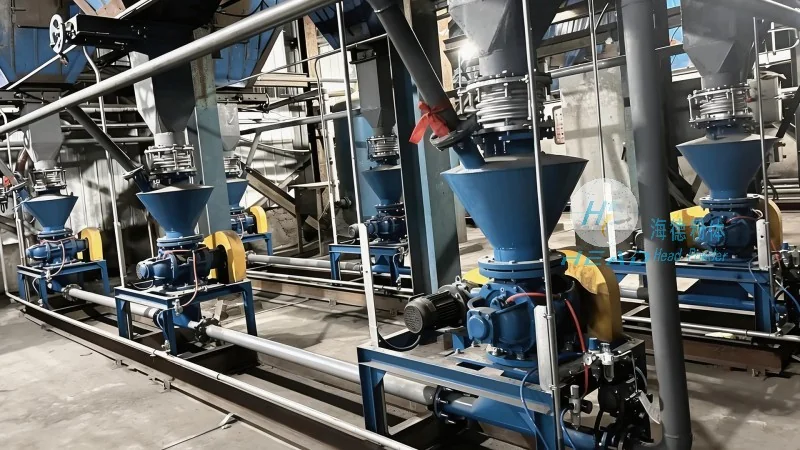
- Material Characteristics Consideration: The design must take into account the physical properties of cotton seed, such as size, shape, density, and moisture content. For example, larger or irregularly shaped seeds may require a different conveying velocity and pipeline diameter compared to smaller, more uniform seeds. The system should be designed to prevent material buildup or blockages in the pipeline.
- Pressure Drop Management: The pressure drop in the pipeline is a critical factor that affects the energy consumption and overall efficiency of the system. Designers must calculate the appropriate pipeline diameter, length, and number of bends to minimize pressure drop while ensuring sufficient air velocity to transport the cotton seed. Proper sizing of the blower or vacuum pump is also essential to maintain the required pressure or vacuum level.
- Velocity and Airflow Optimization: The air velocity in the pipeline must be sufficient to lift and transport the cotton seed without causing excessive wear on the pipeline or equipment. Too low a velocity may result in material settling and blockages, while too high a velocity can lead to increased energy consumption and potential damage to the material. The design should aim for an optimal airflow velocity that balances these factors.
- System Integration and Control: A well-designed pneumatic conveying system integrates all components and includes a control system to monitor and adjust the operation as needed. This may include sensors to detect material levels in the hopper and receiver, pressure gauges to monitor the air system, and automated controls to adjust the feeder speed or air pressure. This integration ensures the system operates efficiently and safely.
Benefits of Using Cotton Seed Pneumatic Conveying Equipment
Implementing a pneumatic conveying system for cotton seed processing offers several benefits that enhance operational efficiency and product quality. These benefits include:
- Reduced Labor and Downtime: Automated material handling reduces the need for manual labor in transporting cotton seed, minimizing the risk of human error and reducing downtime associated with manual handling.
- Improved Product Quality: Pneumatic conveying systems minimize material handling damage, such as breakage or contamination, which helps maintain the quality of the cotton seed for further processing or sale.
- Space Efficiency: The compact design of pneumatic conveying systems allows for efficient use of space within a processing facility, as the equipment can be installed in a vertical or horizontal configuration to fit available space.
- Energy Efficiency: Modern pneumatic conveying systems are designed to be energy-efficient, with optimized air velocity and pressure control that reduces energy consumption compared to traditional methods like bucket elevators or belt conveyors.
Conclusion
Cotton seed material pneumatic conveying equipment is a vital component in modern cotton seed processing facilities, offering an efficient and reliable method for material handling. By understanding the design principles and key components of such systems, manufacturers can optimize their operations to improve productivity, maintain product quality, and reduce operational costs. For businesses in the cotton seed industry, investing in a well-designed pneumatic conveying system is a strategic decision that can provide long-term benefits and competitive advantages. Shandong HeadPowder Engineering Co., Ltd. specializes in providing customized pneumatic conveying solutions tailored to the specific needs of cotton seed processing plants, ensuring efficient and reliable material transport while adhering to industry standards and quality requirements.