

What is a Barite Material Pneumatic Conveying Equipment? What Are Its Design Principles?
Barite, or barium sulfate, is a crucial industrial mineral widely utilized in oil drilling, chemical production, and other sectors. The efficient handling and transportation of barite materials are vital for industrial operations, and pneumatic conveying systems have become a reliable solution. This article explores the concept of barite material pneumatic conveying equipment and delves into its design principles, offering a comprehensive overview for industry professionals.
Understanding Pneumatic Conveying Systems
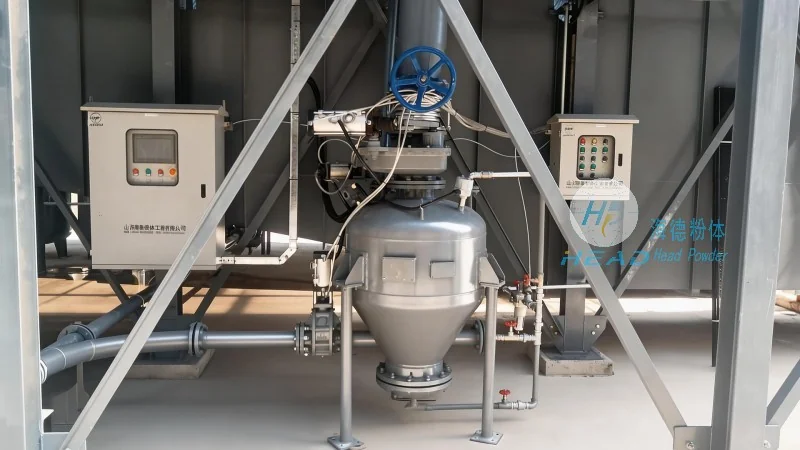
Pneumatic conveying, or air-based material transport, involves using compressed air to move bulk materials through a pipeline. Unlike traditional mechanical conveyors, this method provides advantages such as flexible layout, reduced maintenance, and the ability to handle materials with varying properties. For barite, which is often in powder or granular form, pneumatic conveying ensures minimal product degradation and consistent flow rates. The system operates by creating a pressure differential between the inlet and outlet of the conveying line. Compressed air is introduced at the material feed point, where the barite is introduced into the pipeline. The air velocity is critical; it must be high enough to entrain the particles but low enough to prevent excessive wear on the pipeline and components. For barite, typically a fine powder, the air velocity is often maintained between 20 to 30 meters per second, depending on particle size and density. This ensures particles are fully suspended and transported efficiently.
Key Components of Barite Pneumatic Conveying Equipment
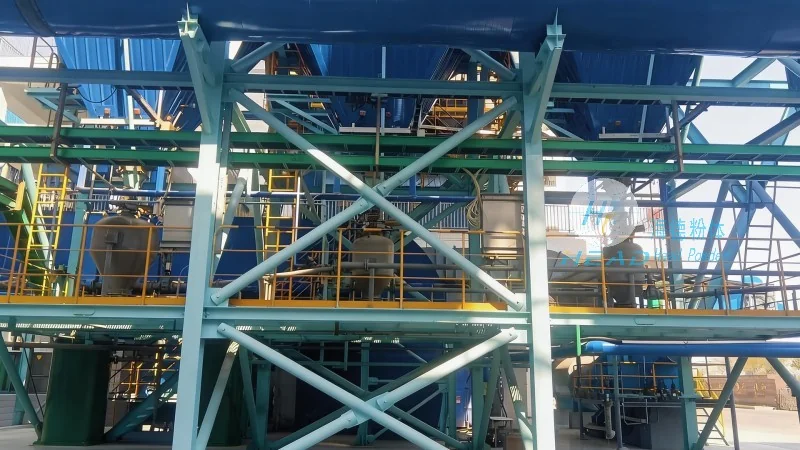
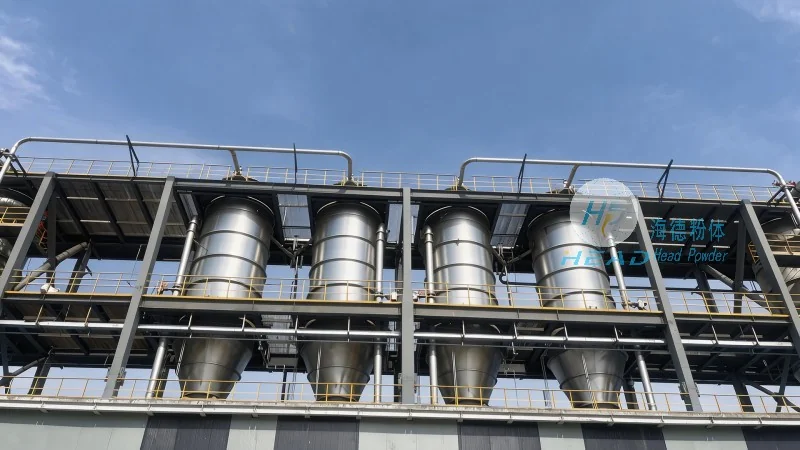
The design of a barite material pneumatic conveying system typically includes several essential components. These include a material feed hopper, a rotary airlock valve, a conveying pipeline, a dust separator or cyclone, and a receiver or discharge hopper. Each component plays a crucial role in the overall operation, ensuring efficient and safe material transport. The material feed hopper stores the barite and feeds it into the system at a controlled rate. The rotary airlock valve prevents backflow and maintains consistent material flow. The conveying pipeline transports the barite and air mixture. The dust separator or cyclone separates the air from the material, allowing the barite to be collected in the receiver. The receiver then stores the material for further processing.
Design Principles for Optimal Performance
The design principles of barite pneumatic conveying equipment focus on maximizing efficiency, minimizing energy consumption, and ensuring material integrity. Key considerations include the selection of appropriate air velocities, pipeline diameter, and pressure levels. For barite, which has specific flow characteristics, the air velocity must be carefully controlled to prevent particle segregation or blockages. Additionally, the system's pressure drop must be managed to maintain consistent flow and avoid excessive energy use. Engineers often use computational fluid dynamics (CFD) to model the system and optimize parameters, ensuring the design meets operational requirements.
Advantages of Using Pneumatic Conveying for Barite
Implementing pneumatic conveying for barite materials offers several benefits. These include improved safety by eliminating the need for manual handling, reduced labor costs, and enhanced product quality due to minimal exposure to contaminants. The system also allows for easy integration with existing industrial processes, making it a versatile solution for various applications. Furthermore, pneumatic conveying can handle long distances and multiple transfer points, providing flexibility in plant layout. This makes it suitable for large-scale operations where traditional conveyors may be impractical.
HeadPowder's Expertise in Pneumatic Conveying Solutions
Shandong HeadPowder Engineering Co., Ltd., a leading manufacturer in the field, specializes in designing and manufacturing customized pneumatic conveying systems for barite and other bulk materials. With years of experience and a commitment to quality, HeadPowder provides tailored solutions that meet the specific needs of clients. The company's facilities are located in Shandong, China, where it leverages advanced technology and skilled engineering to deliver reliable and efficient equipment. HeadPowder's team of engineers works closely with clients to understand their operational requirements and develop systems that optimize performance and reduce costs. The company adheres to international standards and uses high-quality materials to ensure durability and longevity of the equipment.