

What is a Bentonite Material Pneumatic Conveying System? And What Are Its Design Principles?
For industrial applications that require the efficient and reliable transport of bentonite materials, a specialized system known as a bentonite material pneumatic conveying line is often employed. This technology plays a crucial role in various sectors, including construction, mining, and chemical processing, where the handling of fine or bulk powders demands precision and control. Understanding the functionality and design principles behind such a system is essential for optimizing material flow and ensuring operational efficiency.
Bentonite Material Pneumatic Conveying System: Core Functionality
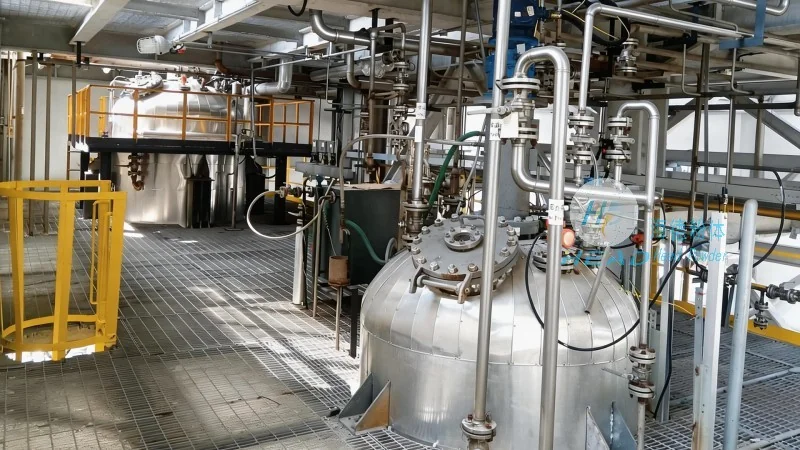
A bentonite material pneumatic conveying system is a type of pneumatic transport equipment designed to move bentonite powder or granules through a pipeline using compressed air or other gas. The system typically consists of several key components, including a material feeder, a conveying line (often made of stainless steel or other corrosion-resistant materials), a control system, and a discharge device. The primary function is to transfer bentonite from a storage silo or hopper to a processing unit or storage location without the need for mechanical conveyors, which can be prone to material buildup and maintenance issues.
Design Principles of Bentonite Material Pneumatic Conveying Systems
The design of a bentonite material pneumatic conveying system is governed by several critical principles to ensure optimal performance and longevity. First, the system must be engineered to handle the specific properties of bentonite, which is a fine, cohesive powder that can be challenging to transport due to its tendency to agglomerate or clog pipelines. To address this, the system incorporates features such as positive displacement blowers or rotary air locks that maintain consistent air pressure and flow rates, preventing material blockages. Second, the conveying line is constructed from materials that resist corrosion and abrasion, as bentonite can be chemically active and abrasive over time. Stainless steel or specialized plastic liners are commonly used to protect the pipeline and extend its service life. Third, the system includes a control panel that monitors and adjusts air pressure, flow rate, and material feed rate in real-time, allowing for precise control and minimizing downtime. Additionally, the system may incorporate dust collection and filtration systems to comply with environmental regulations and maintain a clean working environment.
Key Components and Their Roles
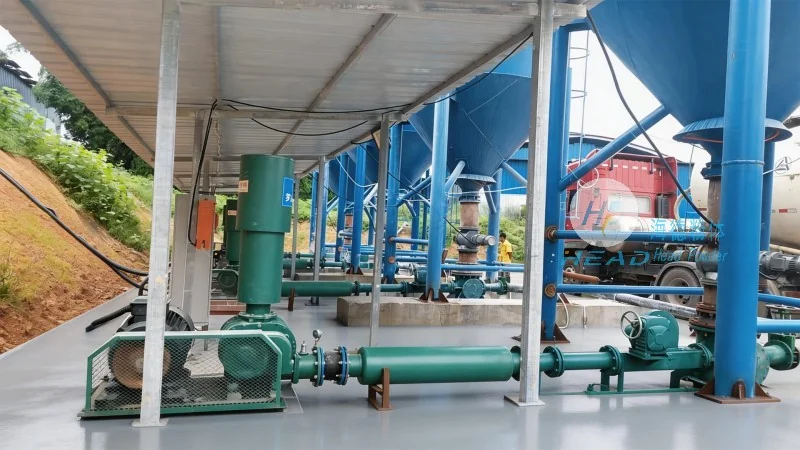
Each component of a bentonite material pneumatic conveying system serves a specific purpose in the overall operation. The material feeder, often a rotary valve or a screw feeder, ensures a consistent and controlled flow of bentonite into the conveying line, preventing surges or gaps that could disrupt the system. The conveying line itself is a flexible or rigid tube that transports the material and air mixture. The air compressor or blower provides the necessary pressure to move the material through the line, with the pressure level determined by the distance and height of the transfer. The control system, typically a PLC (Programmable Logic Controller), manages the operation of all components, including the feeder, blower, and discharge valve, based on set parameters. The discharge device, such as a rotary valve or a pressure relief valve, regulates the release of bentonite at the destination, ensuring a smooth and controlled flow. Finally, the system may include a dust collector and filtration unit to capture any airborne particles and maintain air quality, which is particularly important in industrial settings where dust can be a health hazard.
Benefits of Using a Bentonite Material Pneumatic Conveying System
Implementing a bentonite material pneumatic conveying system offers several advantages over traditional mechanical conveying methods. First, it eliminates the need for moving parts in the conveying line, reducing maintenance costs and minimizing the risk of mechanical failure. Second, the system can handle both fine and bulk bentonite materials, adapting to varying particle sizes and flow rates. Third, the enclosed pipeline design prevents dust contamination and environmental pollution, making it more environmentally friendly compared to open-air systems. Fourth, the system provides precise control over material flow, allowing for accurate dosing and reducing material waste. Finally, the compact design of the system saves space in industrial facilities, making it suitable for applications with limited floor area.
Applications in Industrial Settings
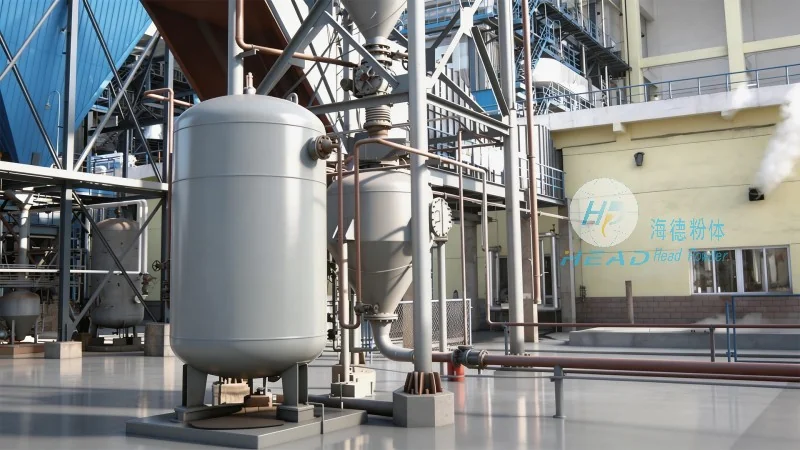
Bentonite material pneumatic conveying systems are widely used in various industrial applications where the transport of bentonite is critical. In the construction industry, these systems are used to supply bentonite for drilling mud, which is essential for maintaining stability in oil and gas wells. In the mining sector, they are employed to transport bentonite used in tailings management and as a flocculant in ore processing. In the chemical industry, the system is used to move bentonite for manufacturing adhesives, paints, and other products. Additionally, in the pharmaceutical and food industries, where bentonite is used as a clarifying agent or a thickening agent, the system ensures a clean and hygienic transfer process, meeting stringent quality and safety standards.
Conclusion
Understanding the design principles and functionality of a bentonite material pneumatic conveying system is vital for industries that rely on the efficient handling of bentonite materials. By leveraging advanced engineering and materials, these systems provide a reliable, cost-effective, and environmentally friendly solution for transporting bentonite from one location to another. Companies such as Shandong HeadPowder Engineering Co., Ltd., based in China, specialize in the design, manufacturing, and installation of such systems, offering tailored solutions to meet the specific needs of their clients. With their expertise in material handling technology, they help industries optimize their operations and improve overall productivity.