

What is Pneumatic Conveying Equipment for Sanding Powder Materials? Understanding Its Design Princip
For industries dealing with sanding powder materials, efficient and reliable material handling is crucial. Pneumatic conveying equipment has emerged as a key solution, offering a flexible and effective method to transport these fine powders. This article explores the concept of pneumatic conveying equipment specifically designed for sanding powder materials and delves into the fundamental design principles that underpin its operation.
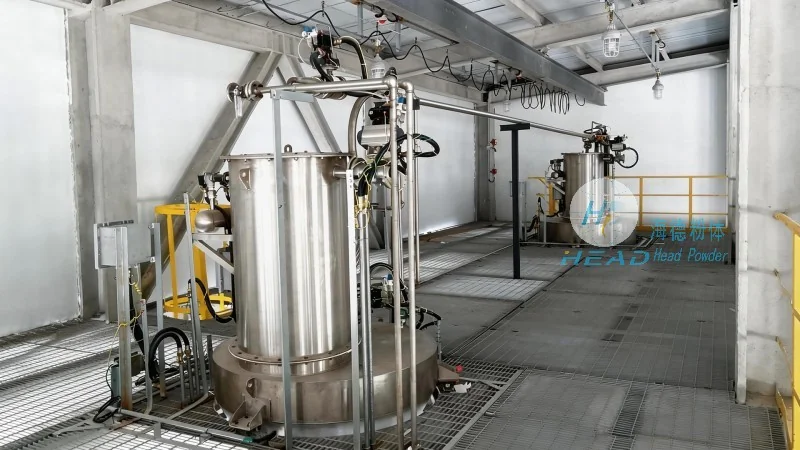
Pneumatic Conveying Equipment for Sanding Powder Materials: An Overview
Pneumatic conveying equipment, often referred to as pneumatic transport systems, utilizes air or gas to move solid materials like sanding powders through a pipeline. Unlike traditional methods such as belt conveyors or bucket elevators, pneumatic systems provide a more compact and versatile solution, especially for handling fine, abrasive, or dusty powders. The primary goal of such equipment is to transport sanding powders from a source, such as a storage silo or a processing unit, to a destination, like a processing plant or a packaging area, with minimal loss and maximum efficiency.
Key Components of Pneumatic Conveying Systems for Sanding Powders
At the core of any pneumatic conveying system are several critical components that work in tandem to ensure smooth operation. These components include the material feed system, the air supply unit, the conveying line, and the discharge mechanism. The material feed system is responsible for introducing the sanding powder into the system, often using a hopper or a rotary valve to control the flow rate. The air supply unit, typically a blower or a compressor, generates the necessary air pressure to move the powder through the pipeline. The conveying line, usually made of metal or plastic, transports the powder and air mixture. Finally, the discharge mechanism, such as a rotary valve or a cyclone separator, collects the powder at the destination and separates it from the air.
Design Principles for Efficient Pneumatic Conveying of Sanding Powders
The design of pneumatic conveying equipment for sanding powders is guided by several key principles aimed at optimizing performance, minimizing wear, and ensuring safety. One of the most critical principles is maintaining a consistent air-to-material ratio. This ratio determines the velocity of the powder in the pipeline and affects the system's capacity and efficiency. Engineers must carefully calculate the air flow rate and the material feed rate to achieve the optimal ratio, which varies depending on the properties of the sanding powder, such as particle size, density, and moisture content.
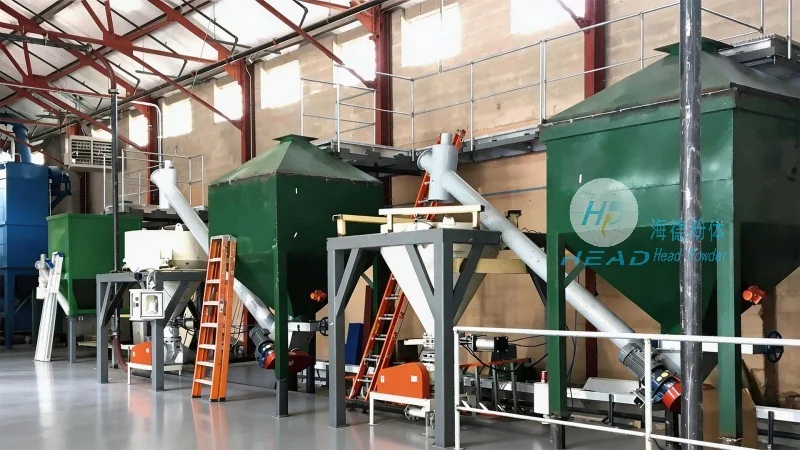
Another crucial design principle is the selection of appropriate pipeline dimensions and materials. The diameter and length of the conveying line are critical factors that influence the system's performance. Larger diameters reduce friction losses and improve flow, but they also increase the system's cost and footprint. The material of the pipeline, such as stainless steel or PVC, must be chosen based on the corrosiveness and abrasiveness of the sanding powder. For abrasive powders like sanding powders, stainless steel is often preferred to withstand wear and prevent material buildup.
Additionally, the design incorporates features to prevent material degradation and system blockages. For example, cyclone separators are commonly used to separate the powder from the air at the discharge point, preventing dust accumulation and ensuring clean air release. Rotary valves and airlocks are also employed to control the flow of material and prevent backflow, which can cause blockages or damage to the system. These components are essential for maintaining the integrity of the sanding powder and ensuring the longevity of the equipment.

The Role of HeadPowder in Pneumatic Conveying Solutions
Shandong HeadPowder Engineering Co., Ltd., a leading manufacturer in the field, specializes in designing and manufacturing high-quality pneumatic conveying equipment tailored to the needs of industries handling sanding powder materials. With years of experience and a deep understanding of material properties, HeadPowder has developed innovative solutions that address the unique challenges of sanding powder transport. The company's expertise lies in customizing systems to meet specific operational requirements, ensuring that clients receive equipment that is both efficient and reliable.
HeadPowder's approach to pneumatic conveying equipment design emphasizes durability, efficiency, and safety. The company utilizes advanced engineering techniques and high-quality materials to construct systems that can withstand the harsh conditions associated with sanding powder handling. For instance, their equipment is designed to handle abrasive powders without excessive wear, reducing maintenance costs and downtime. Furthermore, the company focuses on energy efficiency, incorporating features that minimize air consumption and reduce operational costs.
Conclusion: The Importance of Well-Designed Pneumatic Conveying Equipment
In conclusion, pneumatic conveying equipment for sanding powder materials is a vital component in modern industrial processes, offering a reliable and efficient method for material handling. The design principles that govern these systems, including the air-to-material ratio, pipeline selection, and component integration, are critical to achieving optimal performance. Companies like Shandong HeadPowder Engineering Co., Ltd. play a crucial role in providing tailored solutions that meet the specific needs of industries, ensuring that sanding powder materials are transported safely and efficiently. By understanding and applying these design principles, industries can enhance their operational efficiency and productivity while minimizing costs and environmental impact.