

What is a Tungsten Carbide Powder Pneumatic Conveying Machine? And Its Design Principles
For industrial applications that require the efficient and reliable transport of tungsten carbide powder, a specialized piece of equipment known as a tungsten carbide powder pneumatic conveying machine is often employed. This equipment plays a crucial role in various manufacturing processes, particularly in the production of hard materials and cutting tools. Understanding what this machine is and its underlying design principles is essential for professionals in the industry, as it directly impacts operational efficiency and product quality.
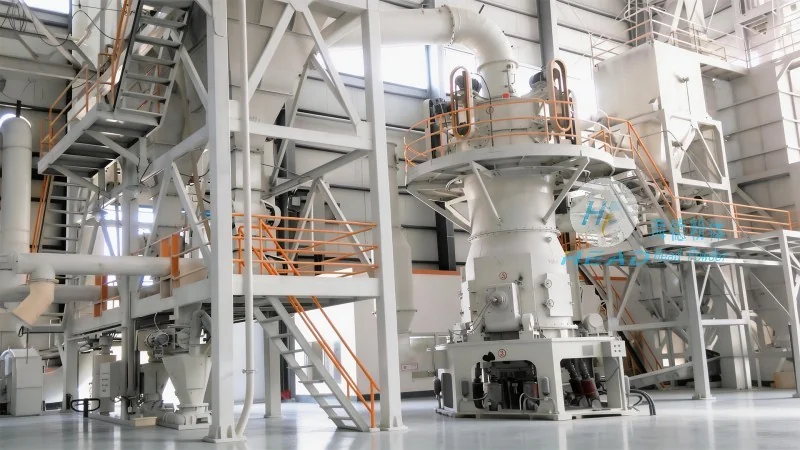
Introduction to Tungsten Carbide Powder Pneumatic Conveying Systems
A tungsten carbide powder pneumatic conveying system is a mechanical device designed to transport fine tungsten carbide powder through a pipeline using a pressurized gas stream. This method of material handling, known as pneumatic conveying, offers several advantages over traditional methods like belt conveyors or bucket elevators, especially when dealing with abrasive or sensitive powders. The system typically consists of a hopper for material storage, a blower or compressor to generate the air flow, a pipeline network, and a discharge point where the powder is deposited. The entire setup is engineered to ensure minimal product degradation, low maintenance requirements, and high throughput rates.
Key Components of the Tungsten Carbide Powder Pneumatic Conveying Machine
The performance and efficiency of a tungsten carbide powder pneumatic conveying machine depend heavily on its key components, each of which is specifically designed to handle the unique properties of tungsten carbide powder. The primary components include:
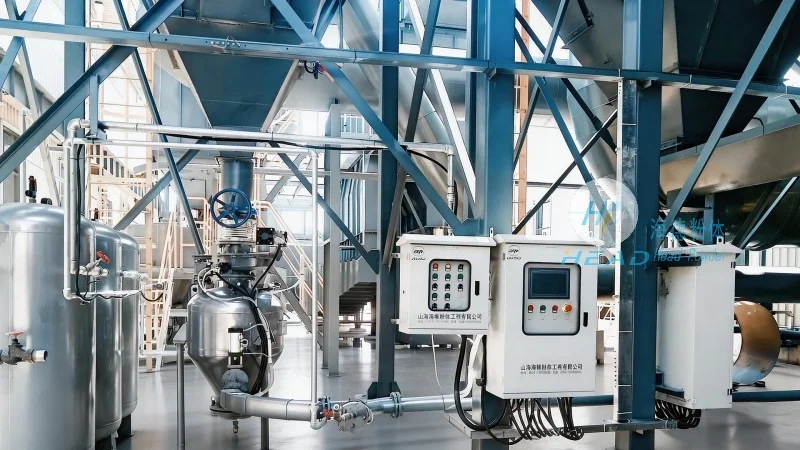
- Material Hopper: This is the initial storage unit where the tungsten carbide powder is loaded. It is often equipped with a feeding mechanism, such as a rotary valve or a vibratory feeder, to control the flow of powder into the system. The hopper is designed to prevent material bridging and ensure a consistent feed rate.
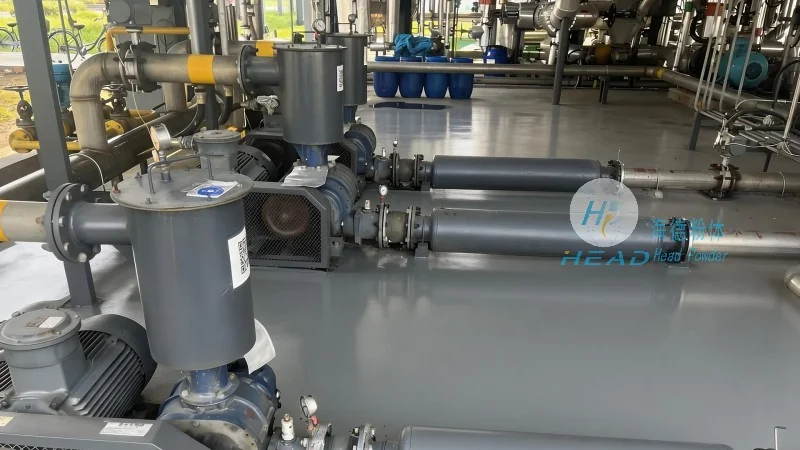
- Blower or Compressor: This component generates the necessary air pressure and flow rate to move the powder through the pipeline. For tungsten carbide powder, which can be abrasive, the blower is typically made from durable materials like stainless steel or special alloys to withstand wear and tear. The selection of the blower type (e.g., centrifugal or positive displacement) depends on the specific conveying requirements, such as the distance and volume of material to be transported.
- Pipeline System: The pipeline is the conduit through which the powder and air mixture travels. It is usually constructed from corrosion-resistant materials like stainless steel or PTFE-coated pipes to prevent the abrasive powder from damaging the surface. The design of the pipeline, including bends and elbows, is critical to maintain the air-powder flow and avoid blockages or pressure losses.
- Filter and Dust Collector: At the discharge end of the system, a filter and dust collector are used to separate the powder from the air stream. This is essential for maintaining a clean working environment and preventing the release of fine particles into the atmosphere. The filter media is typically made from high-efficiency materials capable of capturing even the smallest tungsten carbide particles.
- Control System: The control system monitors and regulates the operation of the entire pneumatic conveying machine. It includes sensors to measure pressure, flow rate, and powder level, as well as control valves to adjust the air flow and feeding rate. This system ensures that the machine operates within optimal parameters, minimizing energy consumption and maximizing efficiency.
Design Principles for Efficient Tungsten Carbide Powder Transport
The design principles of a tungsten carbide powder pneumatic conveying machine are centered around maximizing the efficiency of powder transport while minimizing energy consumption and product degradation. Several key principles guide the engineering of these systems:
1. Air-Powder Ratio Optimization: The air-powder ratio, which is the ratio of the volume of air to the volume of powder, is a critical parameter in pneumatic conveying. For tungsten carbide powder, an optimal air-powder ratio is essential to ensure that the powder is fully suspended in the air stream and transported smoothly without settling or clogging. Too low a ratio can lead to blockages, while too high a ratio increases energy consumption. Engineers typically conduct tests to determine the optimal ratio for a specific powder and conveying distance.
2. Pressure and Velocity Control: The pressure and velocity of the air stream are directly related to the conveying efficiency. Higher air pressure and velocity can increase the transport distance and throughput, but they also increase energy costs and may cause excessive wear on the equipment. Therefore, a balance must be struck between these factors. The design of the blower and pipeline system is crucial in achieving the right pressure and velocity levels.
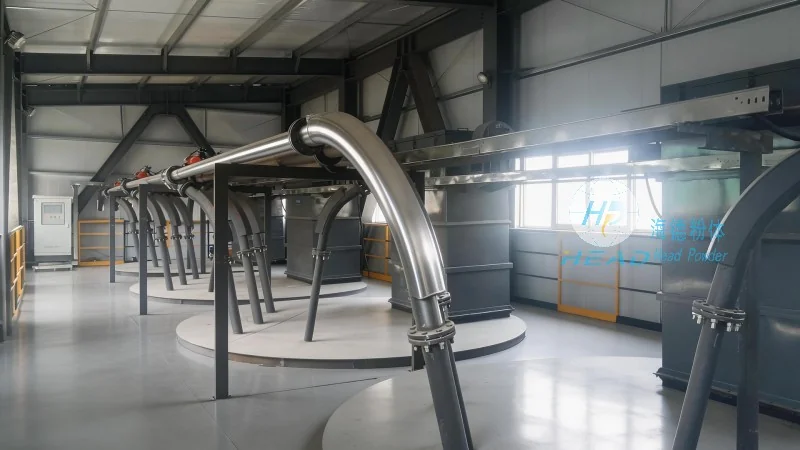
3. Abrasion Resistance and Material Selection: Tungsten carbide powder is known for its hardness and abrasiveness, which can cause significant wear on the equipment components. The design of the machine must account for this by using durable materials for the hopper, blower, and pipeline. For example, the hopper may be lined with wear-resistant materials like ceramic or hardened steel, and the blower may be equipped with replaceable wear parts. This ensures that the machine has a longer service life and lower maintenance costs.
4. System Integration and Scalability: The design of a tungsten carbide powder pneumatic conveying machine should allow for easy integration with existing production lines and scalability to accommodate future growth. This includes considerations such as the ability to connect multiple pipelines, adjust the conveying capacity, and adapt to changes in powder properties. A well-designed system can be easily expanded or modified without major disruptions to the production process.
Applications and Benefits of Tungsten Carbide Powder Pneumatic Conveying Machines
Tungsten carbide powder pneumatic conveying machines are widely used in various industrial applications where the handling of fine, abrasive powders is required. Some of the key applications include:
- Tool and Die Manufacturing: In the production of cutting tools, drills, and molds, tungsten carbide powder is used to create hard, wear-resistant components. The pneumatic conveying system ensures that the powder is transported efficiently to the mixing and pressing stages, where it is combined with other materials to form the final product.
- Hard Metal Production: The manufacturing of hard metal alloys, which are used in various industrial applications, relies on the precise handling of tungsten carbide powder. The pneumatic conveying machine provides a clean and efficient method to transport the powder to the mixing and sintering processes.
- Electronics and Semiconductor Industry: Tungsten carbide powder is used in the production of electrodes and other components for electronic devices. The pneumatic conveying system ensures that the powder is handled in a clean environment, preventing contamination and maintaining the high purity required for these applications.
- Construction and Mining: In the production of wear-resistant materials for construction and mining equipment, tungsten carbide powder is used to enhance the durability of components. The pneumatic conveying machine provides an efficient way to transport the powder to the mixing and casting processes.
Some of the key benefits of using a tungsten carbide powder pneumatic conveying machine include:
- High Efficiency and Throughput: The system can transport large volumes of powder over long distances with minimal downtime, improving overall production efficiency.
- Low Maintenance and Long Service Life: The design of the machine, with its durable components and efficient operation, reduces the need for frequent maintenance and extends the service life of the equipment.
- Clean and Safe Operation: The enclosed system prevents the release of fine particles into the environment, ensuring a safe working environment for operators and compliance with environmental regulations.
- Flexibility and Scalability: The system can be easily adjusted to accommodate changes in production requirements, such as varying powder volumes or conveying distances.
Conclusion
A tungsten carbide powder pneumatic conveying machine is a sophisticated piece of equipment that plays a vital role in the efficient and reliable transport of tungsten carbide powder in various industrial applications. The design principles, which focus on optimizing air-powder ratios, controlling pressure and velocity, and using durable materials, ensure that the machine operates efficiently and effectively. By understanding the components and design principles of this equipment, manufacturers can improve their production processes, reduce costs, and enhance product quality. As a leading provider of such equipment, Shandong HeadPowder Engineering Co., Ltd. specializes in designing and manufacturing high-quality tungsten carbide powder pneumatic conveying machines tailored to the specific needs of industrial clients.