With more than 10‑year industry experience, Shandong Headpowder delivers full‑service pneumatic‑conveying systems and blowers, undertaking nationwide turn‑key powder‑handling projects.
Understanding the principles and design of dye material pneumatic conveying is crucial for industries dealing with colorants and pigments. This article explores the fundamental concepts behind this technology, highlighting its applications and the key factors that influence its effectiveness.
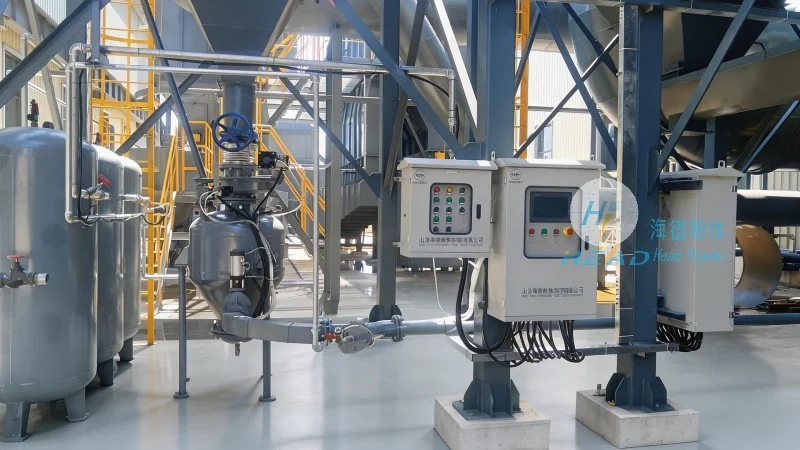
Pneumatic conveying, also known as air conveying, is a method used to transport bulk materials through a pipeline using pressurized or vacuum air. In the context of dye materials, which often include fine powders and granules, this technology offers a efficient and flexible solution for moving these products from one location to another within a manufacturing facility. The process involves creating a flow of air that carries the dye particles through a system of pipes, often with the aid of pressure differentials or vacuum systems.
The design of a pneumatic conveying system for dye materials must consider several critical factors to ensure optimal performance and material integrity. These principles include the selection of appropriate air velocities, the use of suitable pipeline materials to prevent contamination or degradation of the dye, and the incorporation of components such as cyclones, filters, and pressure vessels to manage the material flow and air separation. The system must also account for the physical properties of the dye, such as particle size, moisture content, and density, as these characteristics directly impact the conveying efficiency and equipment wear.
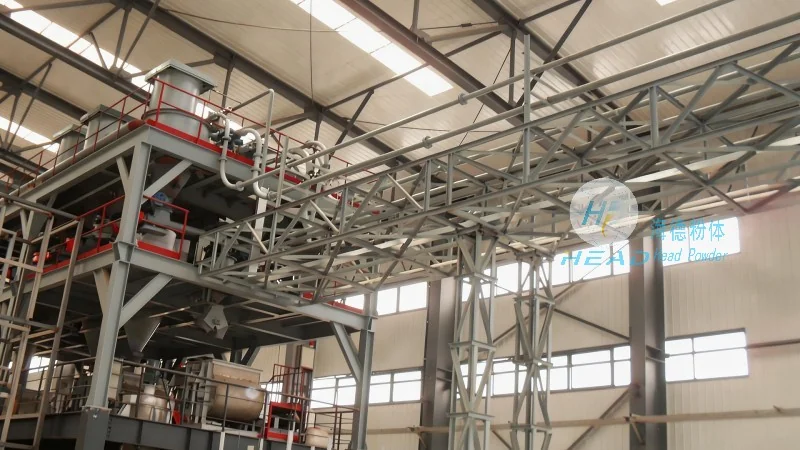
A typical pneumatic conveying system for dye materials consists of several key components. The system starts with a material hopper or feeder that holds the dye, which is then fed into the pipeline via a rotary valve or other metering device. The air is introduced into the system, either by a positive displacement blower or a vacuum pump, creating the necessary pressure or suction to move the material. As the dye travels through the pipeline, it may encounter components like expansion joints or bends, which are designed to accommodate changes in direction and reduce pressure losses. At the receiving end, a cyclone separator or filter is used to separate the dye particles from the air, allowing the material to be discharged into a storage bin or processing unit while the air is either recirculated or vented.
Several factors influence the performance and efficiency of a dye material pneumatic conveying system. The air velocity is a critical parameter; too low a velocity may cause the material to settle and block the pipeline, while too high a velocity can lead to excessive wear on the equipment and increased energy consumption. The pipeline diameter and length also play a significant role, as longer or narrower pipes require higher air velocities to maintain flow. Additionally, the moisture content of the dye can affect the system's performance, as higher moisture levels may lead to caking or blockages, necessitating the use of drying or conditioning steps before conveying. The system's design must also consider the potential for material segregation or degradation, which can impact the quality of the final product.
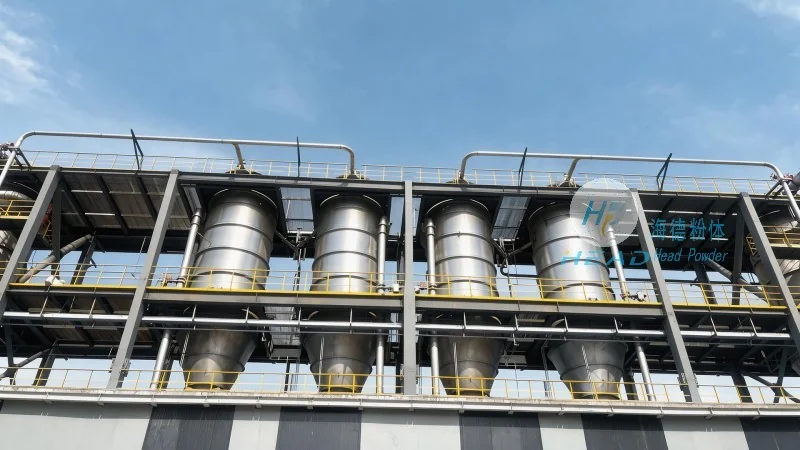
Shandong HeadPowder Engineering Co., Ltd., a leading provider of engineering solutions for bulk material handling, specializes in designing and manufacturing pneumatic conveying systems tailored to the unique needs of the dye industry. With years of experience in the field, HeadPowder understands the challenges associated with handling fine, sensitive dye powders and has developed advanced systems that ensure reliable, efficient, and cost-effective material transport. The company's expertise includes the selection of appropriate materials for pipelines and components, the optimization of air flow rates, and the integration of filtration and separation technologies to maintain the purity and quality of the dye. By leveraging their knowledge and experience, HeadPowder helps clients in the dye manufacturing sector improve their production processes, reduce downtime, and enhance overall operational efficiency.
In conclusion, the design and implementation of a pneumatic conveying system for dye materials require careful consideration of the material's properties, the system's components, and the operational conditions. By adhering to the key design principles and leveraging the expertise of companies like Shandong HeadPowder Engineering Co., Ltd., industries can achieve efficient and reliable transport of dye materials, ensuring product quality and process optimization. The technology continues to evolve, with ongoing research and development focusing on improving energy efficiency, reducing equipment wear, and enhancing the overall performance of pneumatic conveying systems for the dye industry.

 Shandong Headpowder Engineering Co., Ltd.
 156-6277-7102(Manager Zhang)
  0531-83386006
  Zhangqiu District, Jinan City, Shandong Province, China
telephone
WeChatconsult
top