

What is a Yunying Stone Powder Pneumatic Conveying Machine? What is its Design Principle?
Yunying stone powder pneumatic conveying machines are specialized equipment designed to transport dry powder materials, such as yunying stone powder, through a pressurized or vacuum system. These machines are widely used in industries where the efficient and safe handling of fine powders is critical. The design of these systems is crucial for ensuring optimal performance, minimal material loss, and compliance with safety standards.
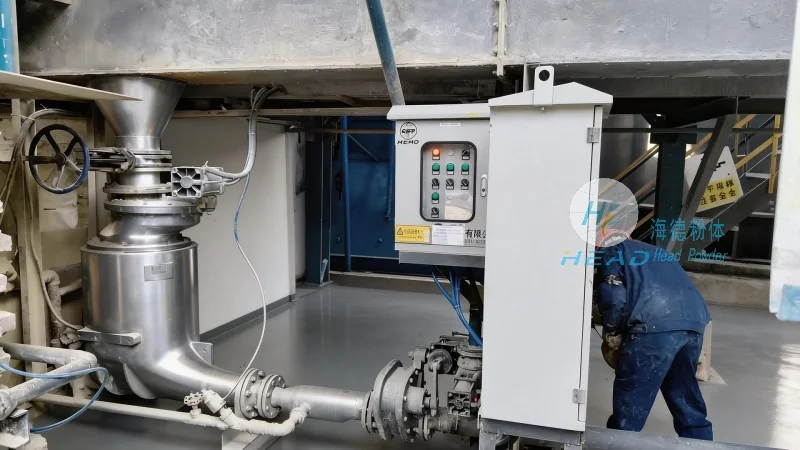
Company Profile: HeadPowder
HeadPowder, the professional manufacturer behind these advanced pneumatic conveying solutions, is a leading company in the field of powder handling technology. With a strong commitment to innovation and quality, HeadPowder has established itself as a trusted partner for businesses requiring reliable and efficient powder transport systems. The company is headquartered in Shandong, China, where it leverages local expertise and resources to develop cutting-edge equipment tailored to the specific needs of various industries.
Understanding Yunying Stone Powder Pneumatic Conveying Machines
At the core of any pneumatic conveying system is the ability to move dry powders like yunying stone powder from one location to another without the need for mechanical components that might cause contamination or material degradation. Yunying stone, a type of mineral often used in industrial applications, presents unique challenges due to its fine particle size and potential for static electricity. Therefore, the design of the conveying machine must address these challenges to ensure effective and safe operation.
Design Principles of Yunying Stone Powder Pneumatic Conveying Machines
The design of a yunying stone powder pneumatic conveying machine typically follows a few fundamental principles to achieve efficient material transport. The first principle is the selection of the appropriate conveying method, which can be either pressure or vacuum-based. Pressure systems use compressed air to push the powder through the pipeline, while vacuum systems use a vacuum to draw the material. The choice between these methods depends on factors such as the distance to be covered, the volume of material to be transported, and the characteristics of the yunying stone powder.
Another critical design principle is the proper sizing of the conveying pipeline. The diameter and length of the pipeline directly impact the system's efficiency and energy consumption. For yunying stone powder, which is often fine and prone to clogging, larger diameter pipes are generally preferred to minimize friction and reduce the risk of blockages. Additionally, the use of smooth, corrosion-resistant materials for the pipeline, such as stainless steel or PTFE-coated pipes, is essential to prevent material buildup and ensure long-term durability.
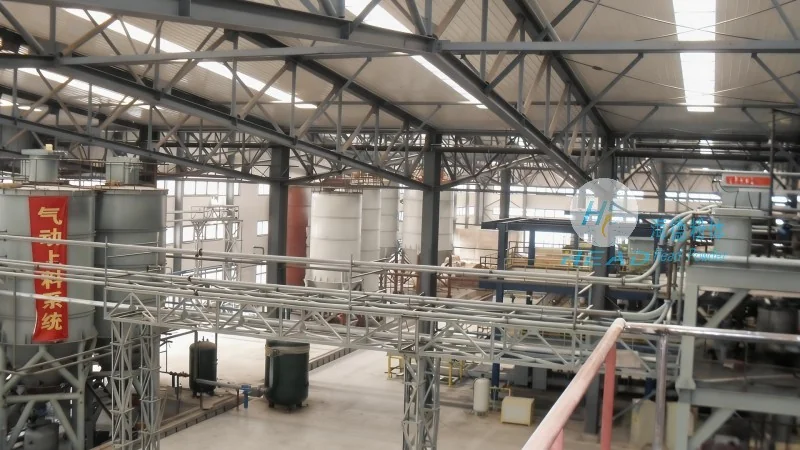
Key Components and Their Functions
Yunying stone powder pneumatic conveying machines consist of several key components, each playing a vital role in the overall operation. The main components include the hopper, which stores the yunying stone powder and feeds it into the system; the feeder, which controls the flow rate of the material; the conveying line, which transports the powder; and the receiver, which collects the material at the destination. The hopper is designed with a sloped bottom to facilitate the smooth discharge of the powder, while the feeder ensures a consistent and controlled flow to prevent overloading the conveying line.
The conveying line itself is a crucial part of the system, as it must withstand the pressure or vacuum conditions and the abrasive nature of the yunying stone powder. The use of flexible hoses or rigid pipes, depending on the application, allows for flexibility in system layout while maintaining the integrity of the material. The receiver, typically a storage bin or a processing unit, is equipped with a discharge valve to control the release of the material when needed.
Advantages of Using Yunying Stone Powder Pneumatic Conveying Machines
Implementing a yunying stone powder pneumatic conveying machine offers several advantages over traditional mechanical conveying methods. One of the primary benefits is the elimination of mechanical parts that can cause contamination or wear and tear. Since the material is transported through a closed system, there is no risk of cross-contamination with other materials or environmental pollutants. This is particularly important for yunying stone powder, which may be used in food, pharmaceutical, or chemical industries where purity is paramount.
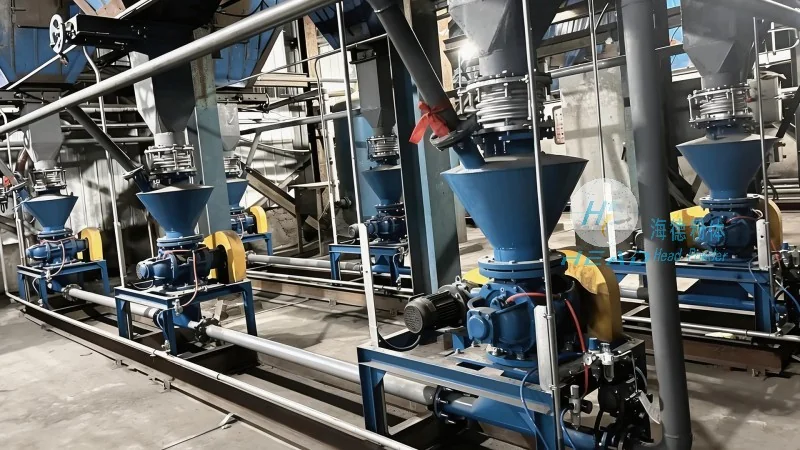
Another advantage is the ability to handle yunying stone powder in a dust-free environment. Unlike mechanical conveyors that may generate significant dust, pneumatic systems keep the material contained within the pipeline, reducing the risk of dust exposure for operators and minimizing the need for dust control measures. This not only improves workplace safety but also reduces the operational costs associated with dust management.
Furthermore, pneumatic conveying systems are highly flexible and can be easily integrated into existing production lines. The modular design allows for adjustments in the system layout to accommodate changes in production volume or process requirements. This adaptability makes yunying stone powder pneumatic conveying machines a cost-effective solution for businesses looking to optimize their material handling processes.
Applications and Industries
Yunying stone powder pneumatic conveying machines are used in a wide range of industries where fine powders are a key component. In the chemical industry, these machines are used to transport yunying stone powder for the production of various chemical products, such as pigments or additives. In the food industry, they are employed to handle yunying stone powder used as a natural ingredient in food products, ensuring that the material remains pure and free from contaminants. The pharmaceutical industry also benefits from these systems when handling yunying stone powder used in the formulation of medicinal products, as the closed system maintains the material's sterility and quality.
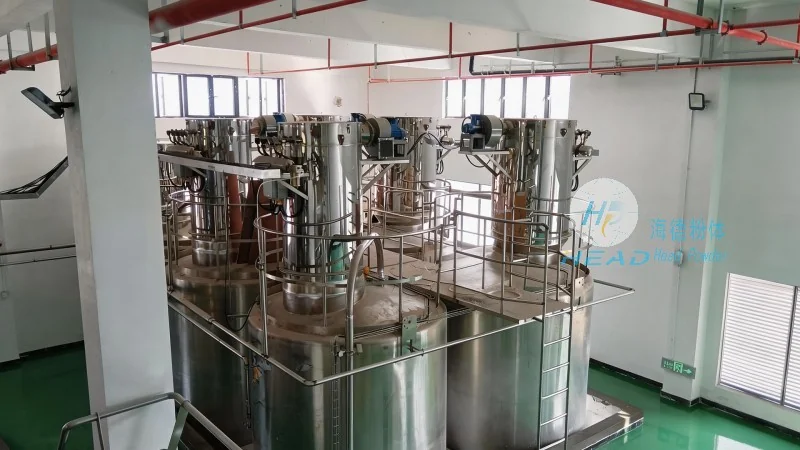
Other industries that utilize yunying stone powder pneumatic conveying machines include the mining and mineral processing sector, where the powder is used as a raw material for further processing, and the construction industry, where yunying stone powder may be used as a filler or additive in concrete and other building materials. The versatility of these machines makes them suitable for a variety of applications across different sectors.
Maintenance and Operational Considerations
Proper maintenance is essential to ensure the long-term performance and reliability of a yunying stone powder pneumatic conveying machine. Regular inspection of the conveying line for signs of wear or damage is necessary to prevent leaks or blockages. The hopper and feeder should be cleaned periodically to remove any accumulated material that could affect the flow rate. Additionally, checking the air compressor or vacuum pump for proper operation and maintaining the correct pressure or vacuum levels is crucial for optimal system performance.
Operators should also be trained on the proper use and safety procedures of the system. This includes understanding how to start and stop the machine, how to adjust the flow rate, and how to handle any potential issues that may arise during operation. By following these guidelines, businesses can maximize the lifespan of their equipment and minimize downtime.
Conclusion
Yunying stone powder pneumatic conveying machines are sophisticated equipment designed to efficiently and safely transport fine powders like yunying stone powder. The design principles behind these systems, including the selection of the appropriate conveying method, proper pipeline sizing, and the use of suitable materials, are critical to achieving optimal performance. HeadPowder, with its headquarters in Shandong, China, provides high-quality solutions tailored to the specific needs of various industries, ensuring that businesses can handle their yunying stone powder with reliability and efficiency.