With more than 10‑year industry experience, Shandong Headpowder delivers full‑service pneumatic‑conveying systems and blowers, undertaking nationwide turn‑key powder‑handling projects.
PP material pneumatic conveying is a method used to transport polypropylene (PP) particles through a pipeline using compressed air or other gas as the conveying medium. This technology is widely adopted in industrial settings for its efficiency in handling bulk materials, particularly in processes involving plastic processing, chemical manufacturing, and material handling. The core of this system lies in the design principles that ensure effective and reliable material transport, which we will explore in detail.
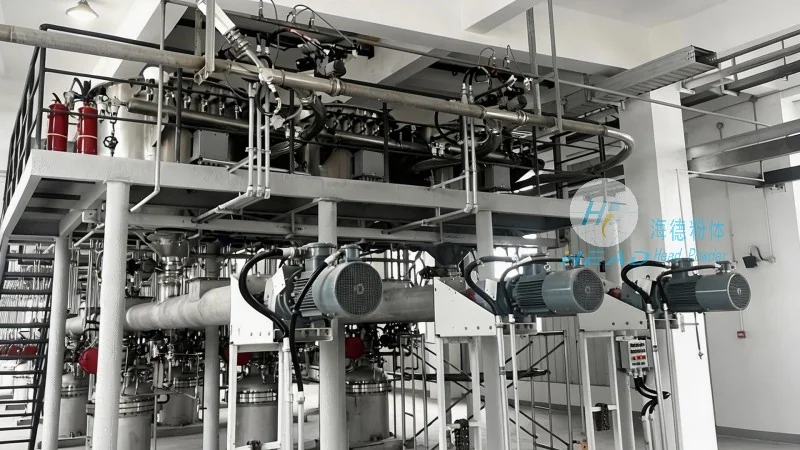
HeadPowder, a leading provider in the field, specializes in engineering solutions for pneumatic conveying systems. Based in Shandong, China, the company has built a reputation for delivering robust and customized solutions tailored to the unique demands of PP material handling. Their expertise encompasses the entire lifecycle of system design, from initial concept to final installation and maintenance.
The design of a PP material pneumatic conveying system involves several critical components and principles that work in tandem to achieve efficient material transport. The primary components include the material feed hopper, the conveying pipeline, the air or gas source, and the discharge equipment. Each component is carefully selected and configured to optimize performance for PP particles, which are known for their specific density, size distribution, and flow characteristics.
One of the fundamental design principles is the selection of the appropriate conveying velocity. The velocity of the gas must be sufficient to lift and transport the PP particles through the pipeline without causing excessive wear or degradation of the material. This is typically determined by the particle size, density, and the desired conveying distance. Engineers at HeadPowder use advanced computational fluid dynamics (CFD) and empirical data to calculate the optimal velocity, ensuring that the system operates within the most efficient and cost-effective parameters.
Another key principle is the design of the material feed system. For PP materials, which can be prone to bridging or agglomeration, the feed hopper is equipped with features such as aeration plates or vibrators to maintain a consistent flow rate. The hopper's design also considers the material's bulk density and flowability, ensuring that the particles are fed smoothly into the conveying pipeline without creating blockages. HeadPowder's engineers tailor the feed system to the specific properties of the PP material, whether it is granules, pellets, or powder, to prevent material degradation and ensure reliable operation.
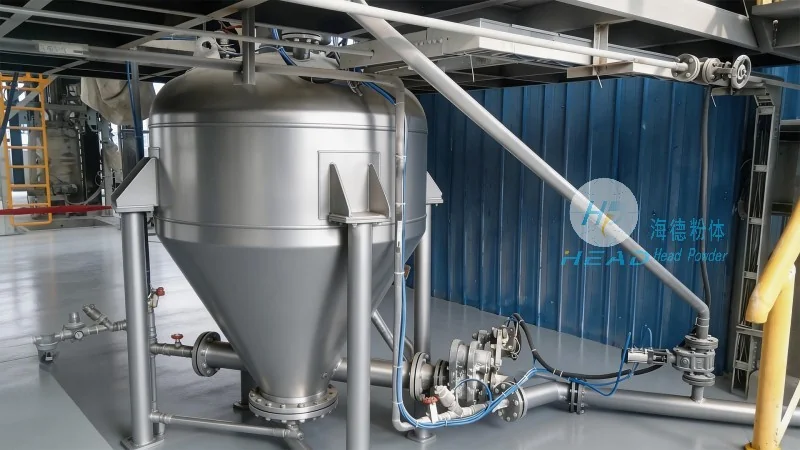
The pipeline design is also critical to the overall system performance. The choice of pipe material, diameter, and length directly impacts the pressure drop and energy consumption of the system. For PP material, which is relatively light and abrasive, stainless steel or high-quality plastic pipes are commonly used to minimize wear and corrosion. The pipeline is often equipped with bends and elbows that are designed with smooth transitions to reduce pressure losses and prevent particle accumulation. HeadPowder's design team considers the entire pipeline layout, including the number and angle of bends, to optimize the system's efficiency and longevity.
The air or gas source is another critical component, as it provides the necessary force to move the PP particles. The system typically uses a blower or compressor to generate the required pressure and flow rate. The selection of the air source depends on the system's capacity and the conveying distance. For long-distance or high-capacity applications, larger, more powerful blowers are used, while for shorter distances or smaller capacities, smaller units may suffice. HeadPowder's engineers select the appropriate air source based on the system's specific requirements, ensuring that it operates efficiently and within the manufacturer's specifications.
The discharge equipment at the end of the pipeline is designed to safely and efficiently release the PP material from the conveying system. This may include a cyclone separator, a filter, or a rotary valve, depending on the application. The discharge system is engineered to prevent material loss and ensure that the PP particles are collected in a controlled manner. HeadPowder's discharge equipment is designed to handle the specific characteristics of PP material, such as its tendency to create dust or clog filters, to maintain a clean and efficient operation.
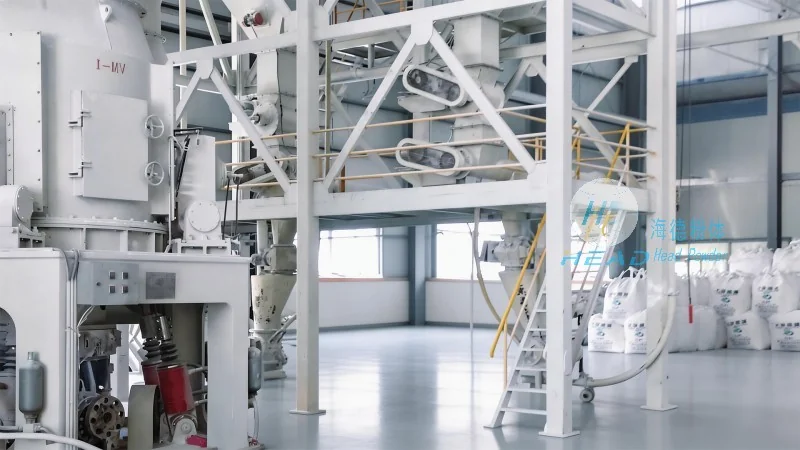
PP material pneumatic conveying systems are widely used in various industries due to their ability to handle bulk materials efficiently and safely. In the plastic industry, these systems are commonly used to transport PP granules or pellets from storage silos to processing equipment, such as extruders or injection molding machines. This method eliminates the need for manual handling, reducing labor costs and improving workplace safety. The system also minimizes material contamination, as the particles are conveyed in a closed pipeline, preventing exposure to dust or other environmental factors.
In chemical manufacturing, PP material pneumatic conveying is used to transport raw materials or intermediates between processing stages. The system's ability to handle abrasive or corrosive materials makes it suitable for applications where traditional conveying methods may not be effective. HeadPowder's systems are designed to withstand the harsh conditions of chemical processing, ensuring reliable operation and minimal downtime.
The benefits of PP material pneumatic conveying extend beyond efficiency and safety. The closed system design reduces dust emissions, making it more environmentally friendly compared to traditional methods like belt conveyors or bucket elevators. This is particularly important in industries where dust control is a regulatory requirement. Additionally, the system's compact design allows for installation in confined spaces, which is beneficial in facilities with limited floor space.
HeadPowder's expertise in designing and manufacturing PP material pneumatic conveying systems ensures that clients receive solutions that are tailored to their specific needs. The company's team of engineers works closely with clients to understand their operational requirements, material characteristics, and budget constraints, providing customized solutions that maximize efficiency and minimize costs. With a focus on quality and reliability, HeadPowder has become a trusted partner for businesses seeking to optimize their material handling processes.

 Shandong Headpowder Engineering Co., Ltd.
 156-6277-7102(Manager Zhang)
  0531-83386006
  Zhangqiu District, Jinan City, Shandong Province, China
telephone
WeChatconsult
top