With more than 10‑year industry experience, Shandong Headpowder delivers full‑service pneumatic‑conveying systems and blowers, undertaking nationwide turn‑key powder‑handling projects.
Food material pneumatic conveying is a method used in the food processing industry to transport bulk materials such as powders, granules, and other dry food ingredients through a pipeline system using air or other gases. This technology offers a hygienic, efficient, and flexible solution for moving materials from one point to another within a processing facility. Unlike traditional mechanical conveyors, pneumatic systems eliminate the need for moving parts in contact with the product, reducing contamination risks and ensuring compliance with food safety regulations. The core of this system involves creating a pressure differential or using vacuum to move the material through the pipeline, making it suitable for a wide range of food products, from spices and flour to snacks and dairy powders.
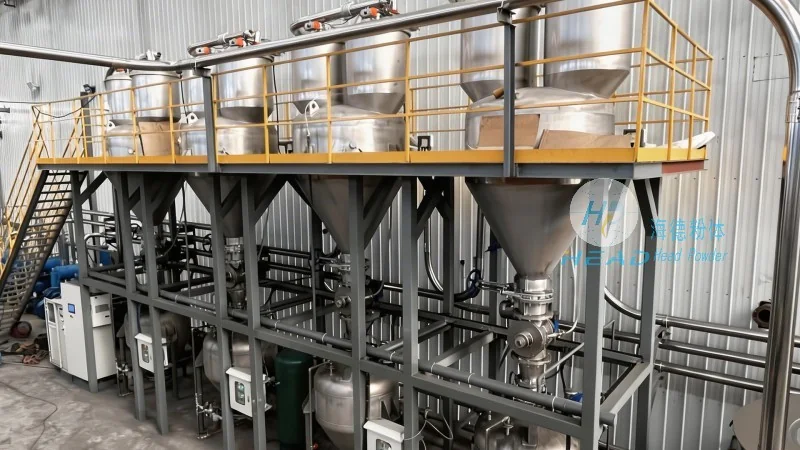
The design of a pneumatic conveying system for food materials is governed by several key principles that ensure optimal performance, efficiency, and safety. First, the system must be designed to maintain a hygienic environment, which is critical in the food industry. This includes using materials that are non-corrosive, easy to clean, and resistant to bacterial growth. Stainless steel is commonly used for components such as hoppers, pipelines, and valves due to its durability and ability to withstand cleaning processes like CIP (Clean-In-Place). Second, the system must be able to handle the specific characteristics of the food material, including its density, flowability, and moisture content. The choice of conveying method—whether it's pressure or vacuum—depends on these characteristics. For example, pressure systems are often used for materials that are free-flowing and have low moisture content, while vacuum systems are better suited for materials that are more cohesive or require gentle handling.
A typical food pneumatic conveying system consists of several key components, each playing a crucial role in the overall operation. The primary components include the hopper, which stores the material and provides a feed point; the feeder, which controls the flow rate of the material into the system; the conveying line, which transports the material; and the receiver, which collects the material at the destination. The air or gas source, often a blower or compressor, provides the necessary pressure or vacuum to move the material. In addition, control valves and filters are used to regulate the flow and ensure that the system operates smoothly. For example, a rotary valve is commonly used as a feeder to provide a consistent flow of material into the conveying line, while a cyclone separator or filter is used at the receiver to separate the material from the air and prevent dust or particles from escaping into the environment.
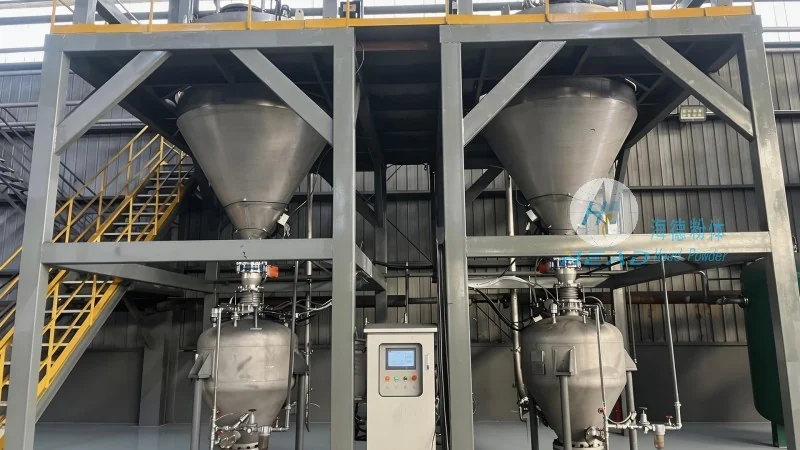
Implementing pneumatic conveying systems in food processing facilities offers numerous benefits that enhance operational efficiency and product quality. One of the most significant advantages is the hygienic nature of the system, which reduces the risk of cross-contamination and ensures that the product remains clean throughout the conveying process. This is particularly important for food products that are sensitive to contamination or require strict adherence to food safety standards. Another benefit is the flexibility of the system, which allows for easy integration with existing processing lines and the ability to change the flow rate or direction of the material as needed. Pneumatic systems also offer a compact design, which saves space in processing facilities where floor space is limited. Additionally, they can handle a wide range of materials, from fine powders to larger granules, making them a versatile solution for various food applications.
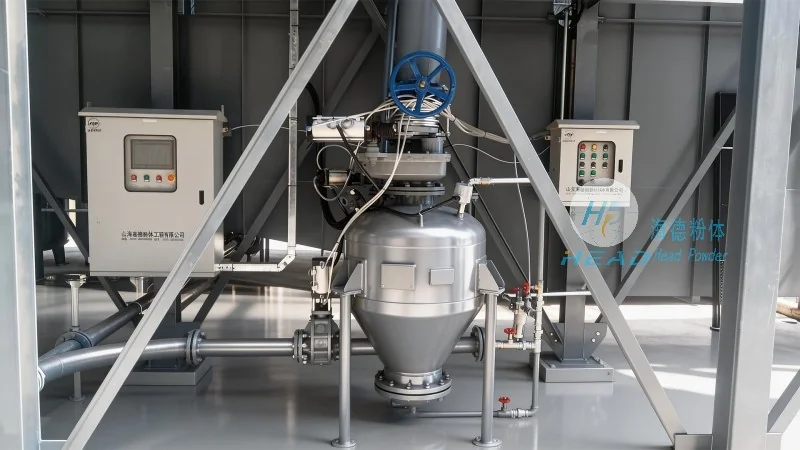
Shandong HeadPowder Engineering Co., Ltd., commonly known as HeadPowder, is a professional manufacturer and supplier of pneumatic conveying systems tailored for the food industry. With a focus on providing high-quality, hygienic solutions, HeadPowder has established itself as a trusted partner for food processing companies worldwide. The company specializes in designing and manufacturing custom pneumatic conveying systems that meet the specific needs of its clients, ensuring that each system is optimized for the type of food material being transported, the processing environment, and the operational requirements of the facility. HeadPowder's products are designed with food safety in mind, using materials that are compliant with industry standards and easy to clean and maintain. The company also provides comprehensive support, including design consultation, installation, and after-sales service, to ensure that clients can fully benefit from their pneumatic conveying systems.
Food material pneumatic conveying is a critical technology in the food processing industry, offering a hygienic, efficient, and flexible solution for transporting bulk materials. The design principles and components of these systems are carefully engineered to ensure optimal performance and compliance with food safety regulations. Companies like Shandong HeadPowder Engineering Co., Ltd. play a vital role in providing these solutions, helping food processing facilities improve their operational efficiency and product quality. As the food industry continues to evolve, the importance of reliable pneumatic conveying systems will only grow, making them an essential component of modern food processing operations.

 Shandong Headpowder Engineering Co., Ltd.
 156-6277-7102(Manager Zhang)
  0531-83386006
  Zhangqiu District, Jinan City, Shandong Province, China
telephone
WeChatconsult
top