With more than 10‑year industry experience, Shandong Headpowder delivers full‑service pneumatic‑conveying systems and blowers, undertaking nationwide turn‑key powder‑handling projects.
HeadPowder, a leading engineering company based in Shandong, China, specializes in advanced material handling solutions. One of their core technologies is magnetic powder pneumatic conveying, a sophisticated method for transporting magnetic powders efficiently and reliably. This article explores what magnetic powder pneumatic conveying is and delves into its fundamental design principles, highlighting the technical aspects that make it a preferred choice in various industrial applications.
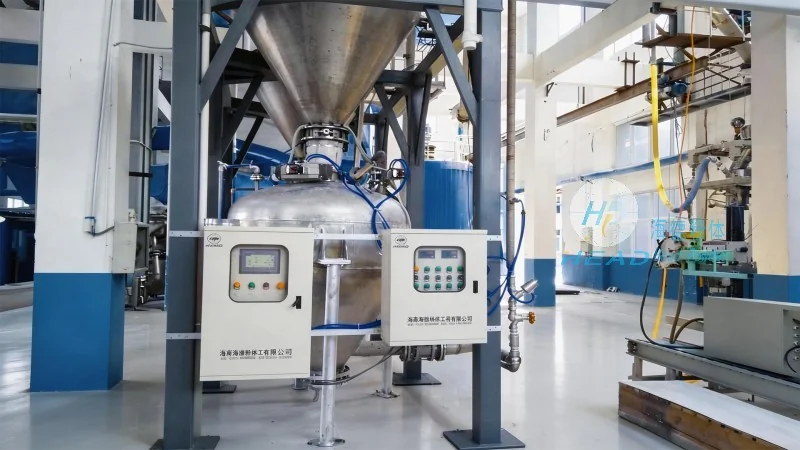
Magnetic powder pneumatic conveying is a specialized form of pneumatic conveying that utilizes magnetic powders as a medium to transport other materials. The process involves the use of a carrier gas, typically air, to move the magnetic powder through a pipeline system. As the carrier gas flows, the magnetic powder carries the target material along with it, enabling the material to be transported over long distances without the need for mechanical components like belts or buckets. This method is particularly effective for handling fine or abrasive powders that are difficult to transport using traditional methods.
The design of a magnetic powder pneumatic conveying system relies on several critical principles to ensure optimal performance and efficiency. First, the selection of the appropriate magnetic powder is crucial. The magnetic powder must have high magnetic susceptibility and be chemically compatible with the materials being conveyed. It also needs to be fine enough to form a stable suspension with the carrier gas while being robust enough to withstand the mechanical stresses of the conveying process. The system's design must also consider the flow characteristics of the carrier gas and the magnetic powder mixture. This includes determining the optimal velocity of the gas to prevent particle separation or blockages in the pipeline. Additionally, the system must incorporate proper separation mechanisms to recover the magnetic powder after the material has been delivered to its destination, ensuring minimal loss and allowing for the magnetic powder to be reused in subsequent cycles.
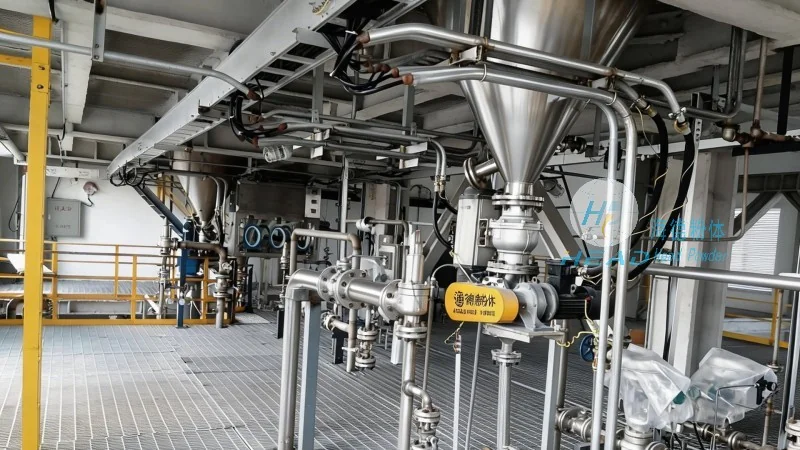
A typical magnetic powder pneumatic conveying system consists of several key components. The process begins with the loading of the target material into a hopper or feeder, where it is mixed with the magnetic powder. The mixture is then fed into a conveying line, where it is carried by the carrier gas. The system includes a blower or compressor to generate the necessary air pressure and flow rate. At the receiving end, the material is separated from the magnetic powder using magnetic separators or other filtration devices. The separated material is collected, while the magnetic powder is returned to the system for reuse. This closed-loop system minimizes waste and reduces operational costs by reusing the magnetic carrier material.
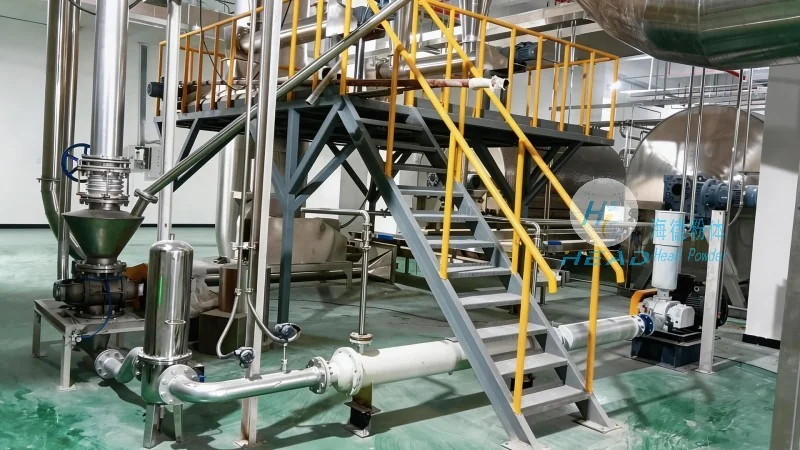
Magnetic powder pneumatic conveying offers several advantages over traditional conveying methods. It is highly effective for transporting fine, abrasive, or sensitive materials without causing degradation or contamination. The use of magnetic powders also allows for the transportation of materials that are difficult to handle due to their properties, such as high moisture content or low bulk density. This technology is widely used in industries such as pharmaceuticals, food processing, and chemical manufacturing, where material purity and handling efficiency are critical. The ability to transport materials over long distances without the need for intermediate storage or handling points makes it a versatile solution for various industrial needs.
HeadPowder Engineering Co., Ltd., based in Shandong, China, provides expert solutions for magnetic powder pneumatic conveying systems. By understanding the fundamental design principles and operational workflow, industries can leverage this technology to improve material handling efficiency, reduce costs, and enhance product quality. The combination of advanced engineering and practical application makes magnetic powder pneumatic conveying a reliable and effective solution for a wide range of material transport challenges.

 Shandong Headpowder Engineering Co., Ltd.
 156-6277-7102(Manager Zhang)
  0531-83386006
  Zhangqiu District, Jinan City, Shandong Province, China
telephone
WeChatconsult
top