

Soybean Pneumatic Conveying: Principles and Application Scenarios
Understanding the principles and operational characteristics of soybean pneumatic conveying is crucial for industries involved in bulk material handling. This article delves into the technical aspects of pneumatic conveying systems designed for soybeans, highlighting their efficiency, reliability, and suitability for various industrial applications.
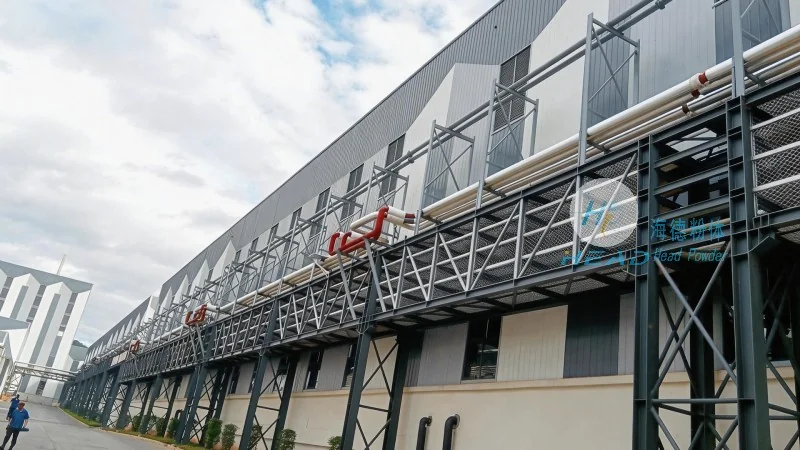
Introduction to Soybean Pneumatic Conveying
Pneumatic conveying, also known as air conveying, is a method of transporting bulk materials like soybeans through a pipeline using air pressure or vacuum. Unlike traditional mechanical conveyors, pneumatic systems utilize air flow to move materials, offering advantages such as reduced equipment wear, lower maintenance costs, and the ability to handle materials in a closed system, minimizing dust and contamination. For soybean processing and handling, this technology is particularly valuable due to the material's density, moisture content, and susceptibility to breakage during transport.
Principle of Pneumatic Conveying for Soybeans
The core principle of soybean pneumatic conveying involves creating a flow of air within a pipeline that transports the soybeans. There are two main types of pneumatic conveying systems: pressure and vacuum. Pressure systems use positive pressure to push the material through the pipeline, while vacuum systems use negative pressure to pull the material. For soybeans, pressure systems are commonly preferred as they provide consistent flow rates and better control over material movement. The system typically consists of a hopper, a feeder, a conveying line, and a receiver. The hopper stores the soybeans, and the feeder regulates the flow into the conveying line. Air is introduced into the line, creating a flow that carries the soybeans to the receiver, where they are deposited. The air is then filtered and recycled, ensuring minimal waste and environmental impact.
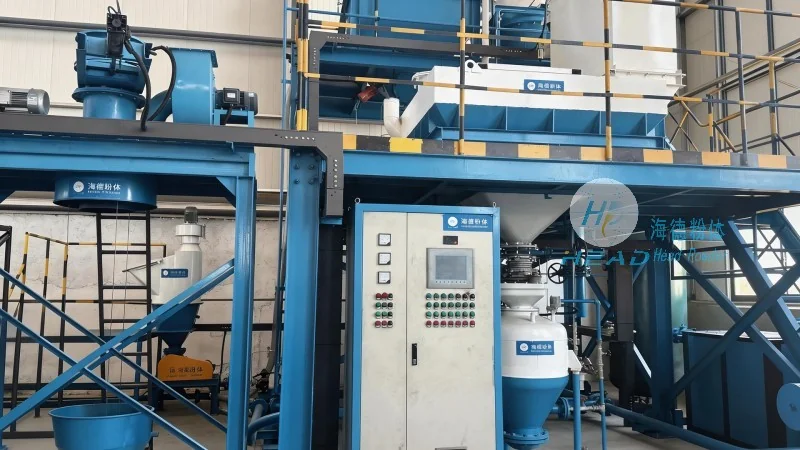
Key Components and Their Functions in Soybean Pneumatic Conveying Systems
Several critical components work together to ensure efficient soybean pneumatic conveying. The hopper is designed to hold a large volume of soybeans and maintain a consistent feed rate. The feeder, often a rotary valve or a screw feeder, controls the amount of material entering the conveying line, preventing overloading and ensuring smooth operation. The conveying line is made of durable materials, such as stainless steel or plastic, to withstand the abrasive nature of soybeans and the pressure of the air flow. The receiver is where the soybeans are collected and stored before further processing. Additionally, a filter system is essential to remove dust and particles from the air, protecting equipment and maintaining air quality. The control system monitors and adjusts the air pressure, flow rate, and material feed to optimize performance and prevent system failures.
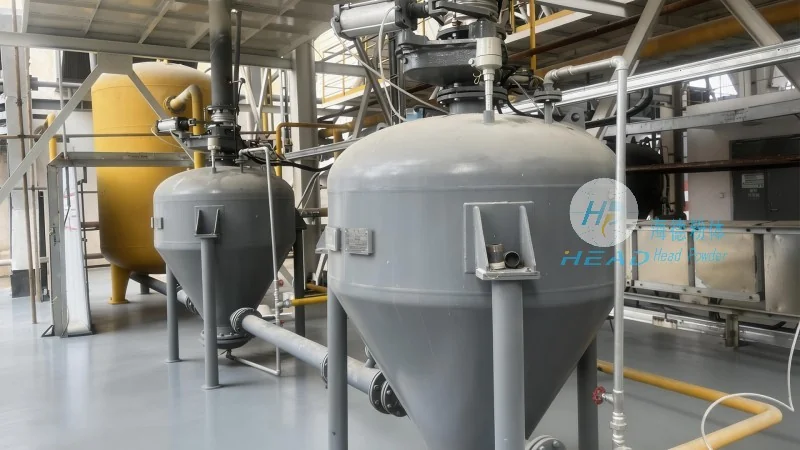
Working Scene Characteristics of Soybean Pneumatic Conveying
The application of soybean pneumatic conveying varies across different industrial settings, each with unique characteristics that influence system design and operation. In agricultural processing facilities, for example, the system is used to transport harvested soybeans from storage bins to processing plants, where they are cleaned, dehulled, and prepared for further use. The closed system helps maintain the quality of the soybeans by preventing exposure to moisture and contaminants. In food processing plants, pneumatic conveying is used to move soybeans to grinding or extrusion equipment, where they are processed into products like soy milk, tofu, or soy protein isolates. The system's ability to handle materials in a hygienic manner is crucial in food processing, as it reduces the risk of bacterial contamination. In industrial applications, such as animal feed production, soybeans are conveyed to mixing and extrusion lines, where they are combined with other ingredients to create animal feed. The efficiency of pneumatic conveying in these scenarios is evident in the reduced labor costs and increased throughput compared to traditional methods.
Advantages and Considerations for Soybean Pneumatic Conveying
Implementing a pneumatic conveying system for soybeans offers several advantages. First, it provides a closed system that minimizes dust and contamination, which is critical for maintaining product quality and worker safety. Second, the system is more energy-efficient than mechanical conveyors, as it uses less power to transport materials over short to medium distances. Third, it reduces equipment wear and maintenance costs, as there are fewer moving parts and less friction between the material and the equipment. However, there are also considerations to keep in mind. For instance, the system requires careful design to handle the specific properties of soybeans, such as their density and moisture content. Additionally, the air flow must be optimized to prevent material buildup or blockages in the pipeline. Proper maintenance, including regular cleaning of the filter system and inspection of the conveying line, is essential to ensure the system operates efficiently and reliably.